Burlington Clinic Offers First Knee Decompression Therapy in County
On December 3, 2025 Burlington based Envision Wellness announced it launched a Knee on Trac decompression therapy program, the first clinic in Alamance County to offer that specific treatment. The service aims to provide a non surgical option for chronic knee pain and osteoarthritis, a development that could affect surgical demand, rehabilitation needs, and access to care across Burlington, Graham, Elon, Mebane and nearby communities.
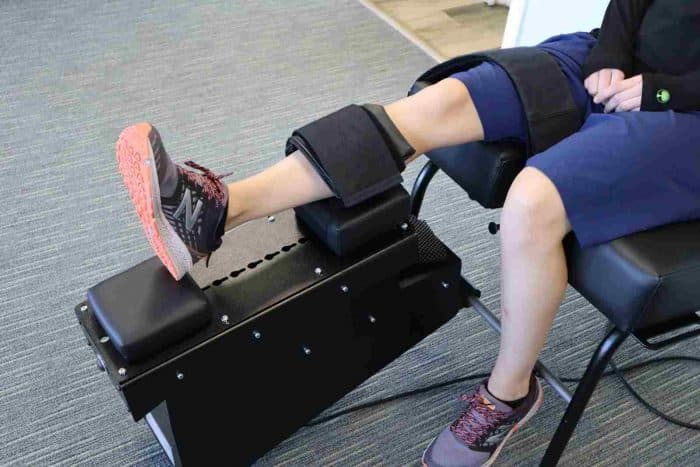
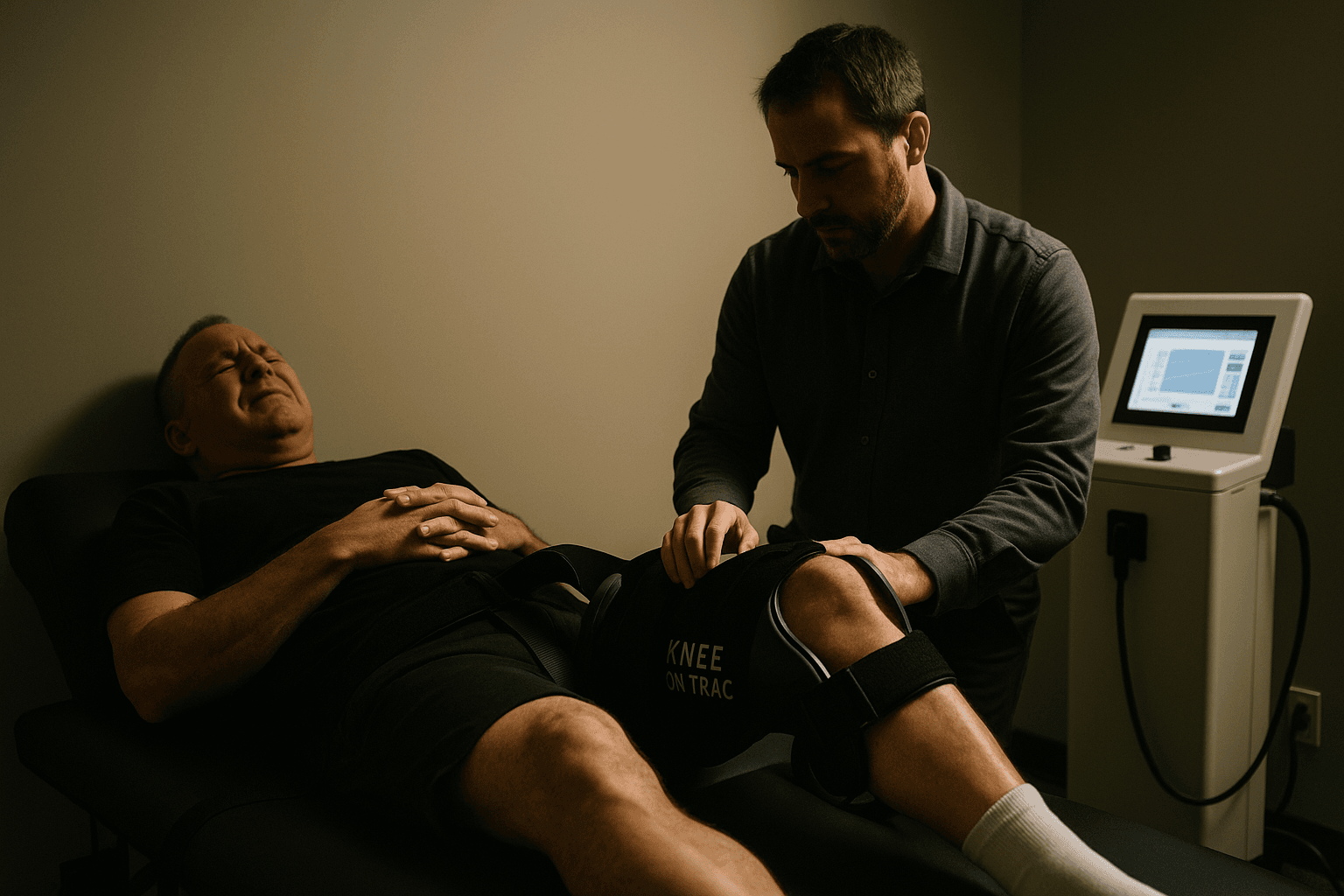
Envision Wellness notified the community on December 3, 2025 that it had added Knee on Trac decompression therapy to its services, positioning the Burlington clinic as the first in Alamance County to offer this particular form of knee decompression. The therapy is described as a gentle approach intended to create space within the knee joint to reduce pressure, improve circulation, and support natural healing for people living with chronic knee pain and osteoarthritis. The clinic presented the program as a non surgical alternative for patients considering surgery, medications, or injections.
Founded in 1995, Envision Wellness already provides chiropractic care, spinal decompression, neuropathy treatment, and medical weight loss. The clinic serves residents across Burlington, Graham, Elon, Mebane and surrounding areas, and leaders framed the new program as an additional option for local patients seeking conservative care before pursuing invasive procedures.
Chronic knee pain is a common public health concern cited in the clinic release with reference to federal health agency data, and local availability of new conservative treatments may have several implications. For patients, a non surgical option can mean fewer immediate surgical consults, potentially lower short term costs, and a pathway to restored mobility without the recovery time and risk associated with surgery. For the health system, wider use of conservative treatments could relieve pressure on surgical services and outpatient rehabilitation providers, but evidence based assessment and standardized protocols will be important for safely integrating the therapy into care pathways.
Community equity issues are central to whether the new program improves outcomes for all residents. Access will depend on insurance coverage, affordability, transportation, and outreach to older adults and workers who may have difficulty taking time for appointments. Policymakers and payers will need to consider how to evaluate and reimburse emerging non surgical treatments, and how to monitor outcomes to ensure they reduce disparities rather than widen them.
As the therapy becomes available locally, clinicians and community leaders should track patient outcomes, coverage decisions, and access barriers so that innovative services translate into real improvements in mobility and quality of life across Alamance County.