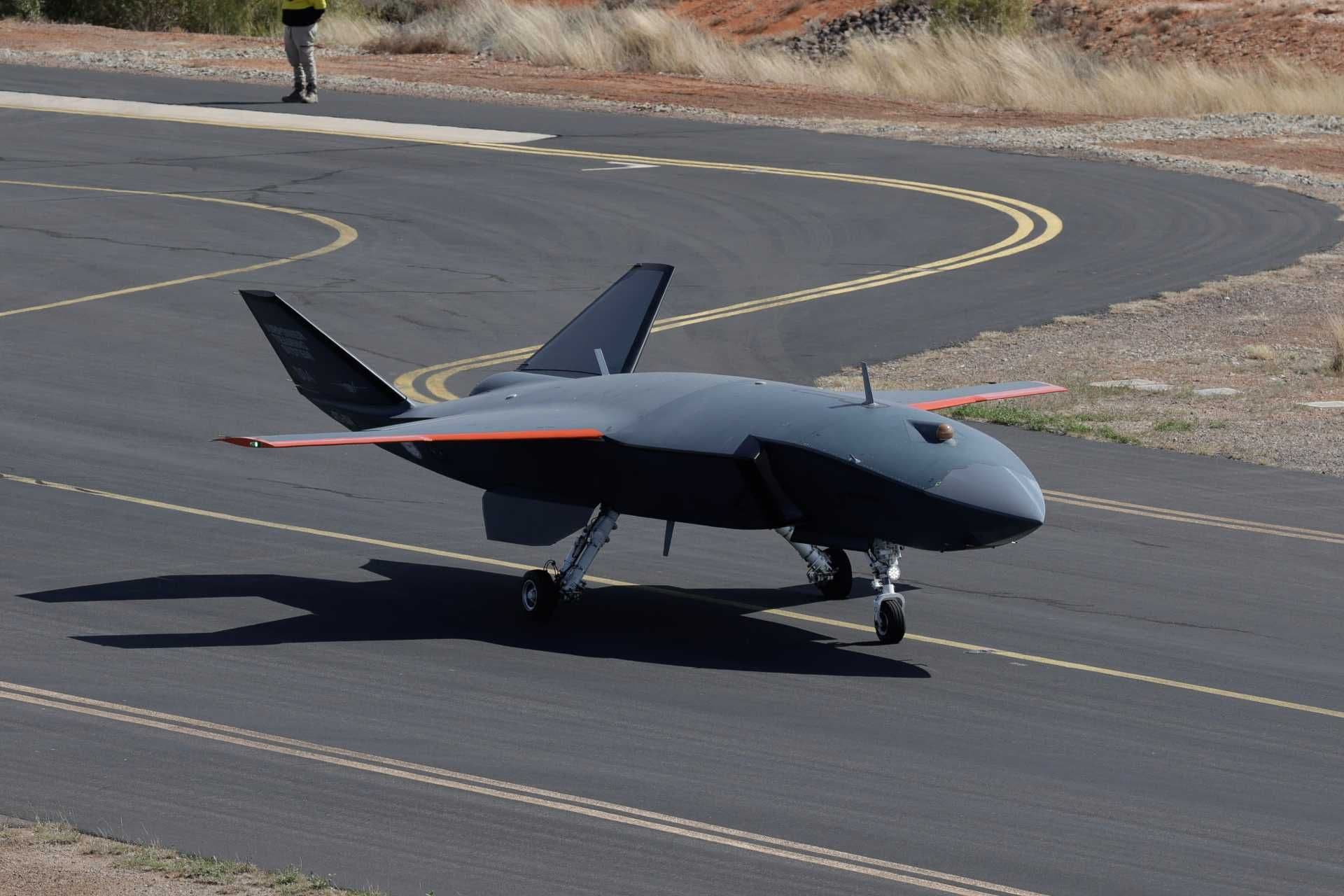
Cambodia Vows Fierce Fight, Border Clashes Force Thousands to Flee
Renewed fighting between Cambodian and Thai forces on December 9, 2025 has driven tens of thousands from their homes and raised fears of wider escalation in Southeast Asia. The breakdown of a July ceasefire and the first use of airstrikes along the frontier in months underline the fragility of recent diplomacy and the growing humanitarian and economic toll.
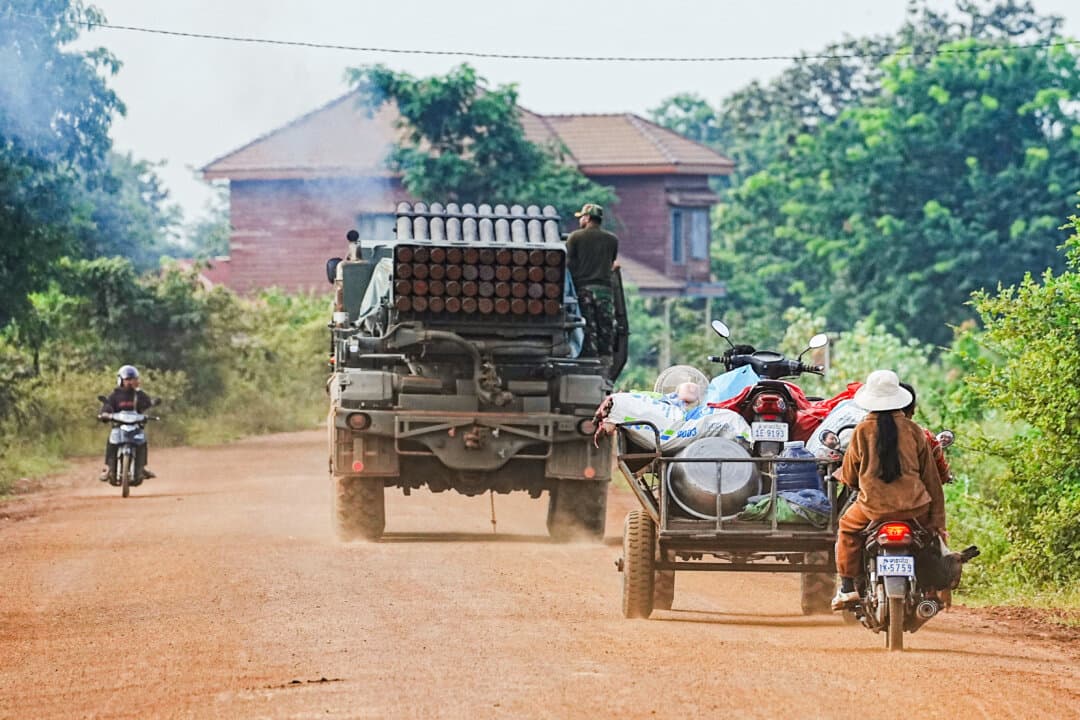
Cambodian Senate President Hun Sen vowed on Tuesday that Cambodia will carry out a fierce fight against Thailand as combat along the two countries’ disputed border enters a second day and prompts a large scale displacement of civilians. The violence follows a skirmish late Sunday in which a Thai soldier was killed, ending a fragile ceasefire agreed in July.
Fighting resumed despite the July accord, which was brokered by Malaysia and urged by multiple international actors, and which called for the removal of heavy weapons and other confidence building measures. Neither side appears to have fully implemented those provisions. Both governments accuse the other of initiating the latest clashes. Cambodian authorities say they initially refrained from returning fire on Monday but later launched counterattacks concentrated on areas where they say Thai forces were advancing with the aim of weakening and destroying enemy units.
Thailand’s military said Cambodian forces fired artillery at a village in Sa Kaeo province in the early hours of Tuesday without causing casualties, and accused Cambodia of rocket and drone strikes on Thai positions. Thailand reported that one soldier was killed and 29 were wounded in the new fighting. Cambodia’s military reported seven civilian deaths and 20 wounded. Thailand conducted airstrikes along the frontier, describing the operations as defensive and aimed at military installations, and officials said such strikes will continue until attacks cease.
Authorities on both sides report large scale population movement. Thai officials say almost 500 temporary shelters have been set up across four border provinces and that more than 125,000 people are being accommodated. Cambodian officials also reported villagers fleeing homes in affected provinces along the frontier. The rapid displacement is likely to produce urgent humanitarian needs for shelter food and medical care and will strain local government resources on both sides.
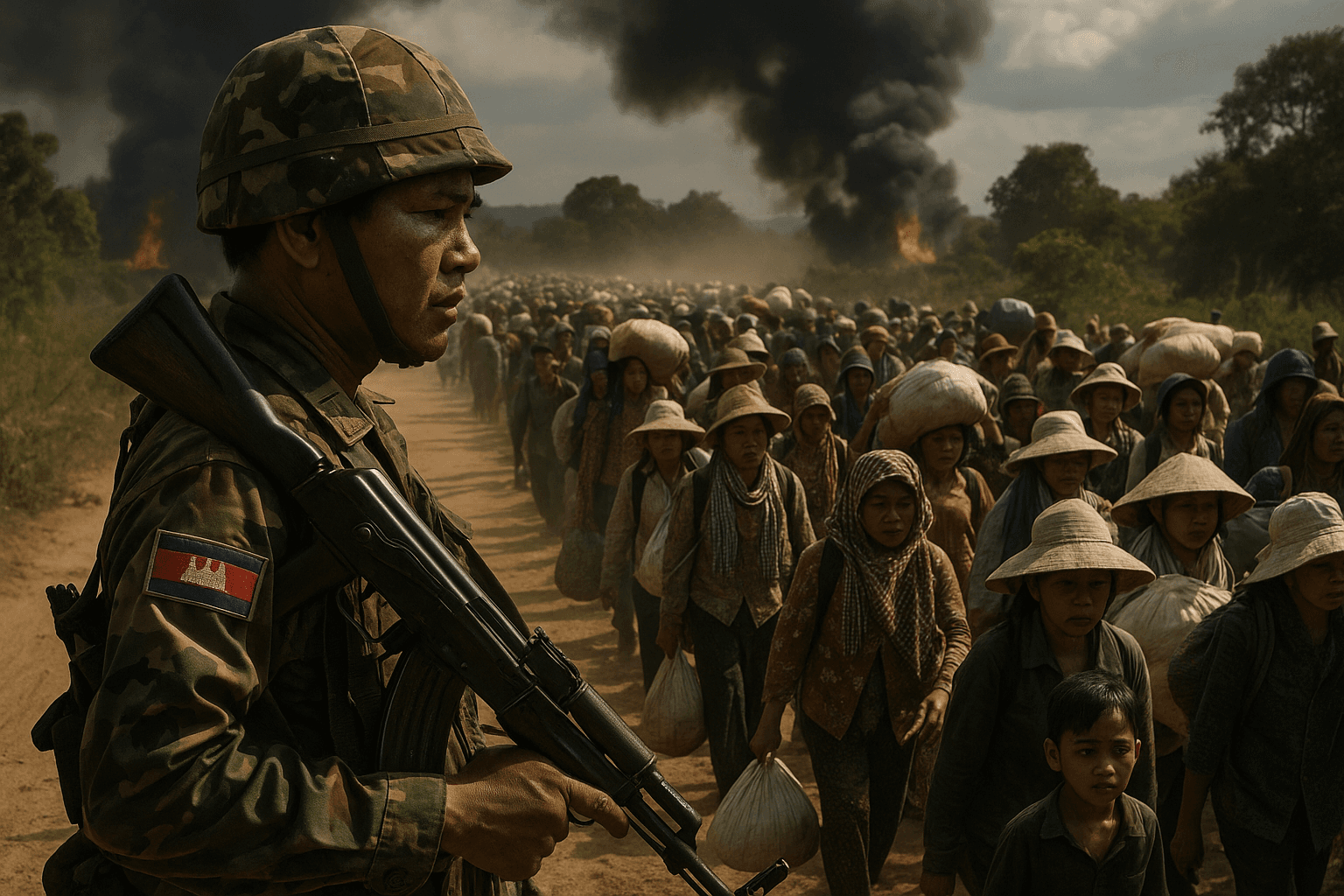
The return to heavy fighting, including the use of aircraft and artillery, raises political and economic concerns across the region. The border area supports routine cross border trade and seasonal agricultural activity and saw a spike in bilateral commerce after the ceasefire. Renewed hostilities threaten to disrupt supply chains and investor sentiment, increasing risk premiums for projects and commerce tied to the border economy. Tourism and cross border labor flows between the two countries are also vulnerable to further instability.
The United Nations Secretary General Antonio Guterres expressed concern about the renewed fighting and the use of airstrikes and heavy weapons, and urged both sides to recommit to the July ceasefire. Longstanding territorial disputes between Cambodia and Thailand have produced periodic violence for decades, and the failure to sustain confidence building measures points to the need for stronger independent monitoring and rapid diplomatic engagement. Without rapid outside pressure and tangible deescalation steps, the conflict risks entrenching a cycle of displacement and economic damage that could reverberate beyond the immediate border region.