Cannelton Cotton Mill Landmark Anchors Perry County Heritage, Economic Potential
The restored Indiana Cotton Mill in Cannelton, a sandstone structure built from 1849 to 1851, stands as a National Historic Landmark and a focal point for Perry County civic planning and economic strategy. Its history, architectural distinctiveness, and landmark status matter to residents because decisions about preservation funding, land use, and promotion will shape downtown vitality, property tax burdens, and local government priorities.
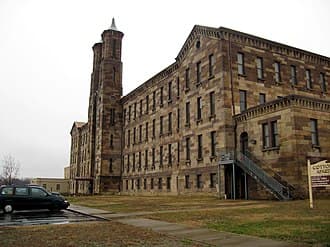
The Indiana Cotton Mill, commonly called the Cannelton Cotton Mill, is one of Perry County's most prominent historic assets. Built from 1849 to 1851 and designed by Thomas A. Tefft, the sandstone mill was once among the largest industrial textile buildings west of the Alleghenies. The mill operated into the 20th century, closed in 1954, and after restoration was listed as a National Historic Landmark. The Cannelton Historic District surrounding the mill contains multiple 19th century sandstone buildings and notable period architecture, and the Indiana Historical Bureau maintains a marker that summarizes the mill's local significance.
The mill's status as a restored landmark brings tangible benefits and responsibilities for Perry County. Landmark designation increases the site profile for heritage tourism and can improve eligibility for state and federal preservation incentives, which in turn affects economic development strategies for Cannelton and the county. At the same time, maintaining historic fabric and supporting adaptive reuse projects require sustained public and private investment, coordinated permitting, and oversight by local officials charged with zoning and infrastructure decisions.
Policy choices at the county and municipal level will determine how the mill and historic district influence neighborhood vitality. Decisions about transportation connections, streetscape improvements, signage, and parking shape whether visitors can access the historic core and whether local businesses capture tourism spending. County budget allocations and grant seeking efforts will also determine maintenance of public spaces and historic assets. Voter priorities influence those allocations, making preservation and downtown redevelopment a topic with civic and electoral relevance.
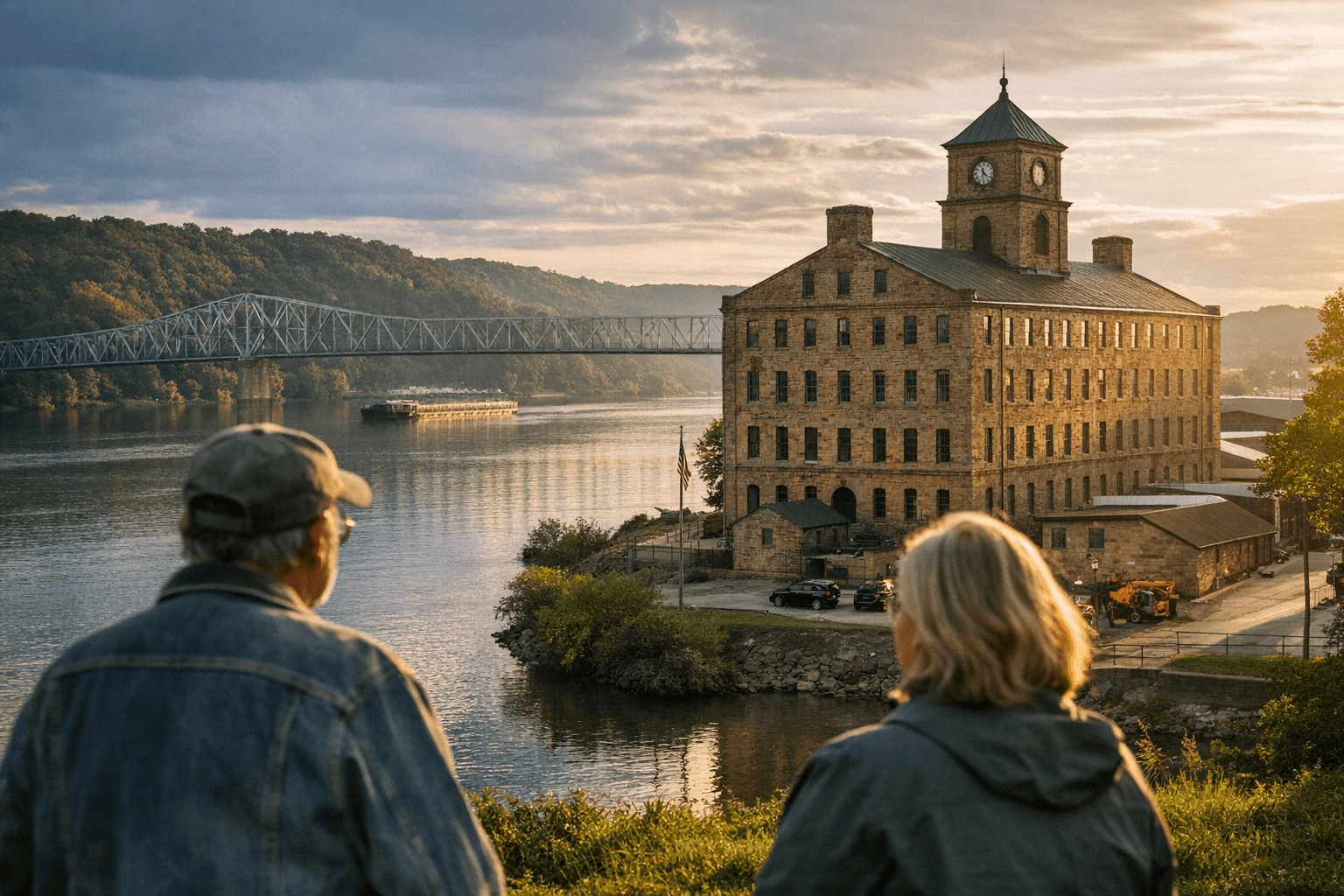
Institutional clarity matters. The Indiana Historical Bureau's marker documents the mill's significance, but practical stewardship involves multiple actors including local government, property owners, preservation professionals, and community groups. Clear roles for permitting, building code adaptation to historic structures, and long term maintenance agreements can prevent deferred repairs from becoming costly crises that shift burdens to taxpayers.
For residents, the mill is more than a landmark. It is a lever for local jobs, small business opportunities, and community identity. Civic engagement in planning processes, attendance at county commission meetings, and scrutiny of budget and zoning proposals will shape how effectively the mill contributes to Perry County prosperity. As elected officials set priorities in upcoming budget cycles and planning hearings, preservation policy and downtown investment should feature among the public questions that determine the county's economic and cultural future.
Sources:
Know something we missed? Have a correction or additional information?
Submit a Tip