Canyon de Chelly Drives Culture and Economy in Apache County
Canyon de Chelly National Monument remains a central economic and cultural asset for Apache County, sustaining guided tour operations, craft sales, education and seasonal visitation tied to Navajo Nation communities. Weather and road conditions shape access to the canyon floor, making coordination between the National Park Service and Navajo stakeholders critical for local incomes and cultural preservation.

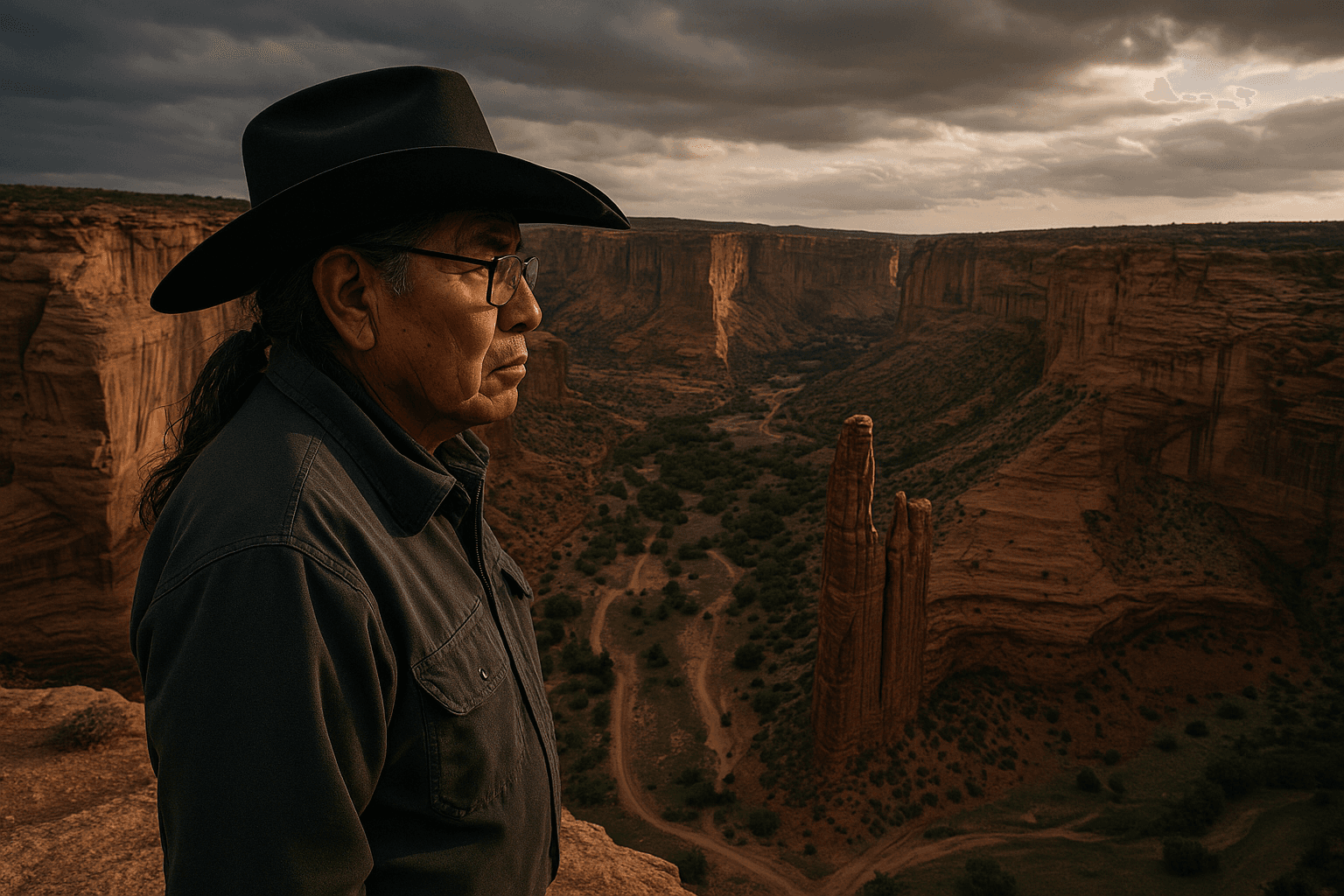
Canyon de Chelly National Monument protects ancestral and contemporary Navajo and Pueblo cultural sites, including rock art, cliff dwellings and working agricultural areas on the canyon floor. The site is co managed with Navajo Nation stakeholders, and that partnership shapes rules for access, visitor behavior and local participation in tourism. For residents in Chinle and surrounding chapters, the monument is not only a cultural touchstone but a key driver of household income through guided tours, craft sales and related services.
Visitor access to the canyon floor generally requires a guided tour, and tours are typically led by Navajo guides from local communities such as Chinle. That structure concentrates tourism revenue within nearby communities while also reinforcing cultural protocols around sacred sites and ongoing agricultural use. The National Park Service posts operational alerts, tour information and guidance for community events and partnerships, which affects when and how tours operate. Seasonal factors matter. Colder winter temperatures and variable road conditions can reduce visitor numbers, compressing income into warmer months and increasing uncertainty for families who depend on seasonal work.
The local economic implications are direct. Income from guided tours and sales of crafts and food supplements other local sectors and supports community services. Fluctuations in visitation translate into short run volatility for small businesses and individual guides. Over the medium term, stable co management and clear operational communication can reduce that volatility, while investments in road maintenance, winter readiness and marketing for shoulder season visitation can spread benefits more evenly through the year.
Policy choices will shape whether cultural preservation and economic opportunity remain complementary. Prioritizing infrastructure that improves safe access, supporting training and marketing for Navajo guides and artisans, and maintaining strong local control over tour protocols can sustain both heritage protection and local incomes. For Apache County residents the canyon is more than a landmark. It is an active economic engine and a living cultural landscape whose health depends on coordinated management, predictable operational guidance and community led development strategies.
