Cary Hiroyuki Tagawa shaped genre cinema, dies at 75, fans mourn
Cary Hiroyuki Tagawa, the Tokyo born character actor whose commanding presence graced The Last Emperor, Mortal Kombat and The Man in the High Castle, died on December 4 at age 75 reportedly from complications of a stroke. His passing removes a distinctive voice from Hollywood at a time when representations of Asian actors are both expanding and under fresh scrutiny.
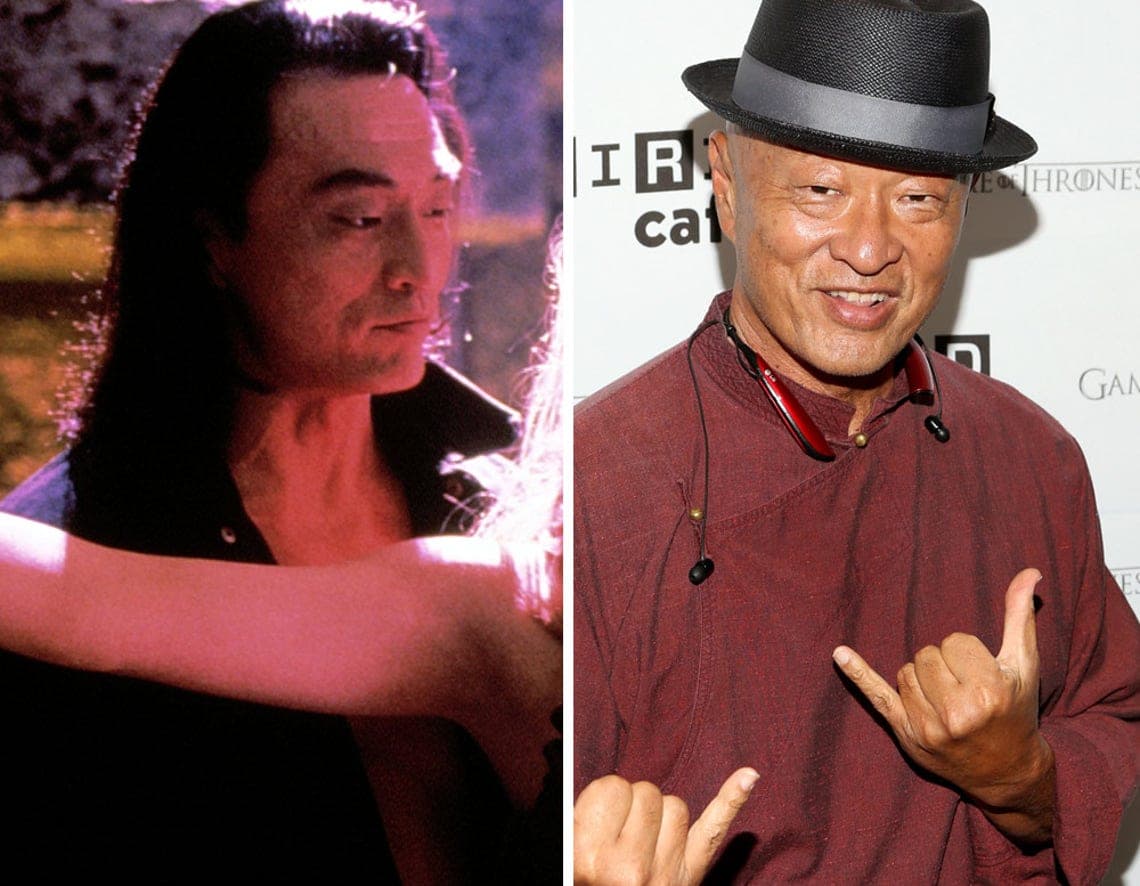
Cary Hiroyuki Tagawa built a career on controlled menace and elegant restraint, qualities that allowed him to move fluidly from prestige historical drama to blockbuster franchise villainy and complex streaming television roles. The actor, who amassed more than 150 credits across film, television and voice work, died on December 4 at age 75 reportedly from complications of a stroke, according to Variety and other outlets. Tributes from the entertainment community and fans began to appear within hours as colleagues and viewers reflected on a body of work that helped define several genres.
Tagawa first attracted wide attention in films such as The Last Emperor where his screen discipline complemented epic storytelling, and then became widely recognizable for his portrayal of Shang Tsung in the 1995 Mortal Kombat film. That turn as a theatrical, shape shifting antagonist helped cement his status as a memorable franchise figure and demonstrated his ability to translate comic book and video game archetypes into human presence. In more recent years Tagawa reached new audiences through television projects including The Man in the High Castle and a steady stream of voice and character parts that underlined his durability.
Performance wise Tagawa excelled at using physicality and a measured vocal cadence to create characters who were never simply caricatures. His villains were often invested with a dignity that made them interesting and sometimes sympathetic opponents, which in turn elevated the material around them. That mode of performance made him an asset for projects seeking to balance spectacle with psychological weight, from genre pictures to prestige streaming dramas.
Industry trends in the two decades of Tagawa's career contextualize his importance. He worked at a time when Hollywood was gradually expanding the range of roles available to Asian actors while still contending with issues of typecasting and limited mainstream opportunity. Tagawa managed to build a diverse résumé by embracing both supporting film roles and the burgeoning realm of voice acting and streaming series. His participation in franchises and adaptations also illustrates how veteran character actors can sustain careers by anchoring intellectual property driven business models that dominate contemporary film and television economics.
Culturally Tagawa mattered because he embodied a paradox of visibility. He was a recognizable face whose characters often reinforced exoticized or villainous tropes, yet his sustained presence also normalized seeing an actor of Asian descent in central cinematic positions. For younger actors and creators, Tagawa's longevity offered a practical template for navigating an industry that has only recently begun to reckon with inclusion beyond token gestures.
Broader social implications of his death prompt reflection on representation, labor and legacy in Hollywood. As the industry pushes to diversify its storytelling, the careers of artists like Tagawa show both the progress made and the structural limits that persisted. His work across multiple platforms and genres testified to an adaptability that is increasingly valued in a market driven by franchised content and global streaming audiences.
As tributes continued to circulate, the conversation his career invites remains urgent. Beyond a list of credits, Cary Hiroyuki Tagawa leaves a catalog of performances that influenced genre filmmaking, contributed to debates about onscreen identity, and demonstrated how a single actor can shape the textures of popular culture across generations.