Casamero Lake Faces Infrastructure and School Governance Challenges
Residents of Casamero Lake continue to grapple with long-standing infrastructure gaps, limited local businesses, and a contested push for centralized school oversight that local leaders say threatens community control. The combination of energy costs, unpaved roads and school restructuring has public health and economic implications for the chapter's roughly 1,200 residents.
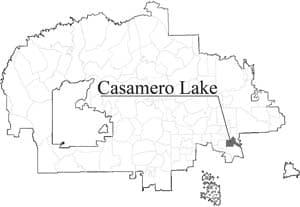
Casamero Lake, a small chapter on the edge of the reservation, is negotiating a familiar mix of isolation and opportunity as leaders press for better services while defending local authority over schools and development. With about 1,200 residents scattered across roughly 64,000 acres, the community still contends with seasonal water in what was once a year-round lake, a lack of businesses and an unpaved main road that complicates access to services.
Infrastructure remains central to public health and economic resilience. Approximately 80 percent of homes have electricity, and leaders are moving forward with an extension to connect more households. The chapter has allocated $120,000 toward new power lines, but officials note that equipment costs add up quickly: each utility pole runs about $1,500. Casamero Lake works with Continental Divide, a cooperative based in Grants, and relies on state capital improvement funds to contract for line work. "The homeowners wire their own homes - it has to be done by a certified electrician," said chapter leadership, underscoring both local responsibility and the safety stakes of household electrical work.
Heating and fuel choices carry direct health consequences for families. Tenants in a Navajo Housing Authority development have formed an association to lobby for replacing propane heaters with more economical pellet stoves, a move that could reduce costs and indoor air pollution. Chronic housing and energy insecurity intersect with limited local commerce; the chapter continues to explore feasibility studies for businesses such as a gas station or laundromat and potential partnerships for agricultural work.
Education governance has surfaced as a flashpoint. Local school leaders, including the chapter and school board, voiced concern that a bid to create a central Department of Diné Education would concentrate control over curriculum and funding. "DODE wants to expand its department and be a state-like entity," a local leader said, "but it's not a state. A state doesn't micromanage state schools." The chapter's Borrego Pass School has been through restructuring under federal oversight and has seen test scores rise. "Our math and English scores are up," the same leader said, "and we're hoping to make AYP next year or the year after." Yet some residents and educators feel the school needs intervention; one teacher noted a disconnect between civic space and youth engagement: "I ask my students what the chapter house is for, and they say, 'Bingo!'"
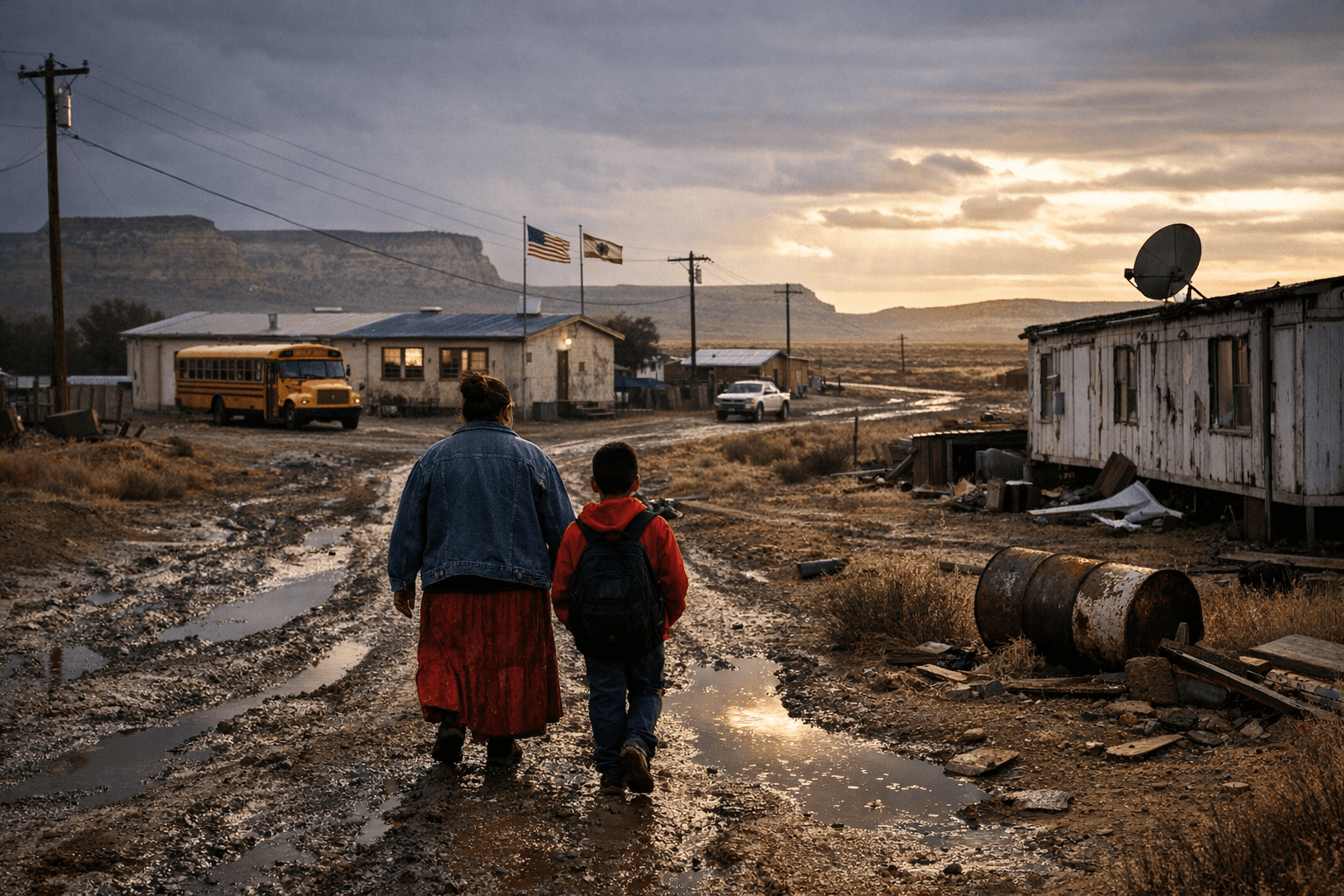
The intertwined problems of governance, infrastructure and isolation have clear public health dimensions: unpaved roads and limited transit hinder access to care and emergency services; high energy costs and unsafe wiring increase risk for respiratory and fire-related harms; and weak local economies constrain healthy housing and food access. Casamero Lake's proximity to county and state partners provides pathways to funding and technical assistance, but leaders stress the importance of preserving community control even as they pursue state and tribal resources.
Plans for a new senior citizens building and steps toward local certification reflect local optimism about leveraging those partnerships. As Casamero Lake pursues small business opportunities and infrastructure upgrades, residents and officials are asking that policy decisions respect local governance and center health equity for a chapter that remains both resilient and vulnerable.
Sources:
Know something we missed? Have a correction or additional information?
Submit a Tip