CBS Series Uses Humboldt Town Scenes, Sparks Local Recognition
The new CBS series Sheriff Country included brief aerial shots of northern Humboldt towns, showing Ferndale, Rio Dell and Scotia on screen. Locals identified familiar Victorian Main Street scenes and landmarks, prompting questions about how regional imagery is used and what benefits accrue to the community.
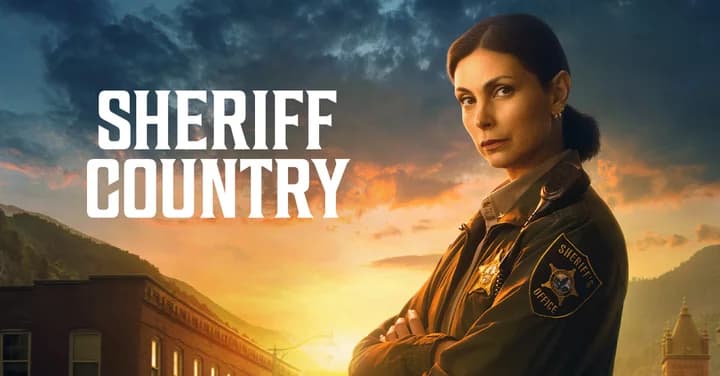
On December 4 the CBS series Sheriff Country aired brief aerial shots featuring northern Humboldt towns, including Ferndale, Rio Dell and Scotia. Viewers in the region noticed recognizable views of Ferndale’s Victorian Main Street and other local landmarks, and a short local column preserved screen captures showing how those places appear in the episodes.
The sequence in Sheriff Country serves as an establishing device, a common production technique in which producers use distant locales to evoke a setting even when principal photography occurs elsewhere. In this case the scenes were limited to a handful of aerial frames that functioned as visual shorthand, rather than extended on location filming that would bring a sustained production presence to the county.
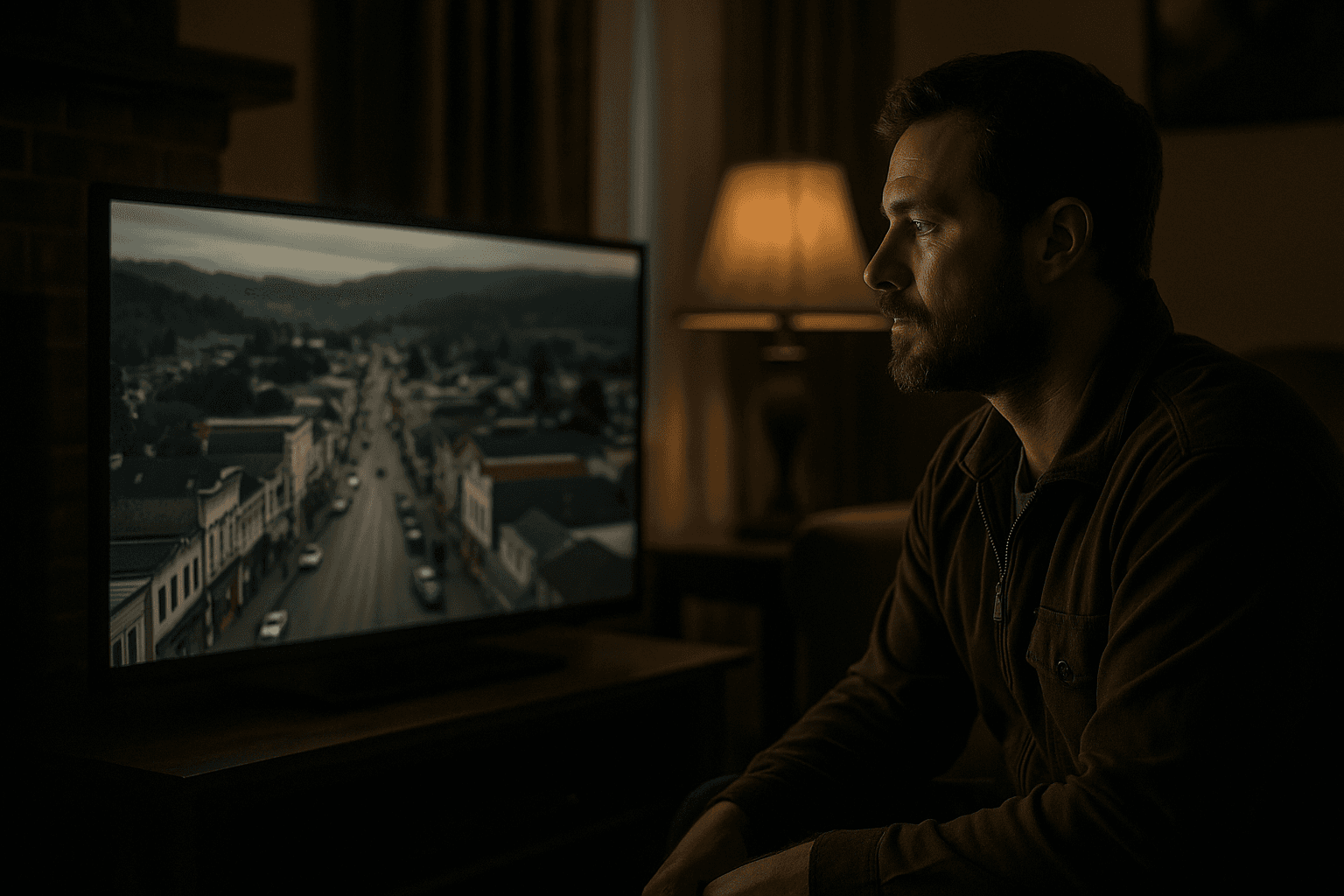
The immediate impact was largely symbolic. Residents reported a burst of recognition and civic pride as familiar streets and buildings briefly reached a national audience. That recognition can have economic implications when it translates into tourism interest, but the short nature of the shots means any direct production spending in Humboldt was likely minimal. Local officials and economic development planners will need to weigh whether such fleeting exposure is a material benefit or a marketing opportunity that can be amplified through local promotion.
The use of Humboldt imagery raises questions about public policy and institutional practice. State and local film incentive structures determine where productions choose to film, and counties with explicit strategies can sometimes convert visual exposure into measurable economic activity. At the same time establishing shots and stock footage often produce limited local spending, so transparency around any permits, fees or local services tied to productions is important for residents to assess actual value.
For civic engagement the event offers a simple, practical step. Community members interested in translating recognition into benefit can raise the topic with city councils and the county economic development office, request clarity on filming practices and ask for tracking of production related revenue and outreach. Voters who want local economic development to include media production can press candidates and governing bodies for clear plans and measurable goals.
The brief appearance of Ferndale, Rio Dell and Scotia on national television is a small story on its face, but it highlights how images of place circulate, how policy shapes who benefits from that circulation, and how local institutions can respond to convert visibility into accountability and opportunity.