Centennial Monument Marks Continental Divide, Highlights New York Mills History
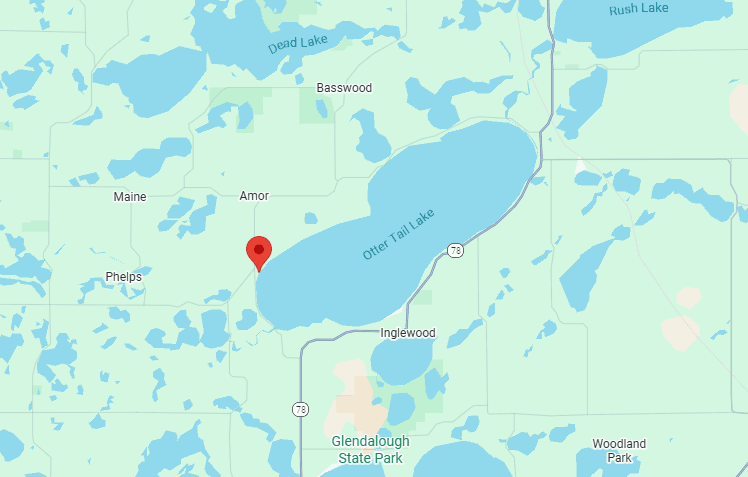
The Centennial Monument in Central Park stands on the Continental Divide and commemorates the 100th anniversary of the incorporation of New York Mills, offering residents and visitors a tangible link to the town's geography and layered jurisdictional history. Its location and interpretive features matter locally because they illustrate how water from the same park travels north to Hudson Bay and south to the Gulf of Mexico, and because the site serves as a permanent landmark for education and civic identity.
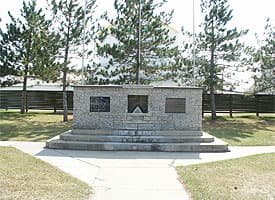
The Centennial Monument in Central Park sits precisely on the Continental Divide, a physical and symbolic marker of New York Mills's place in North American geography. Installed to mark the 100th anniversary of the incorporation of New York Mills, the monument combines visual elements and interpretive text to explain how a single park directs water to two distant seas. The monument is flanked by five flags that have flown over the area, representing England, France and Spain, the current American flag and the American flag of expansion with its 15 stars.
A fountain at the base of the monument symbolizes rain falling on New York Mills, and a smaller plaque carries the site inscription. It reads, “As the Water Falls and Divides Upon this Stone, the Rains Falling Upon this Park flow both North and South to the Seas.” Water on the left side of the marker drains south toward the Gulf of Mexico. Water on the right side drains north toward Hudson Bay. A larger bronze plaque explains that the marker denotes the height of land dividing North American drainage areas and notes that the west side of New York Mills was once in Rupert's Land while the east side lay in the Louisiana Territory, reflecting historical jurisdictional claims and transfers.
For local residents the monument is more than a curiosity. As an accessible, interpretive site it is popular for quick historical stops, photos, and as a focus of civic pride. The presence of a permanent landmark that links geography with colonial and national history can support school curricula, heritage walks and modest increases in foot traffic to nearby businesses. From a municipal planning perspective the site underscores the importance of watershed awareness for local storm water and environmental management because runoff from the same park follows two very different drainage paths.
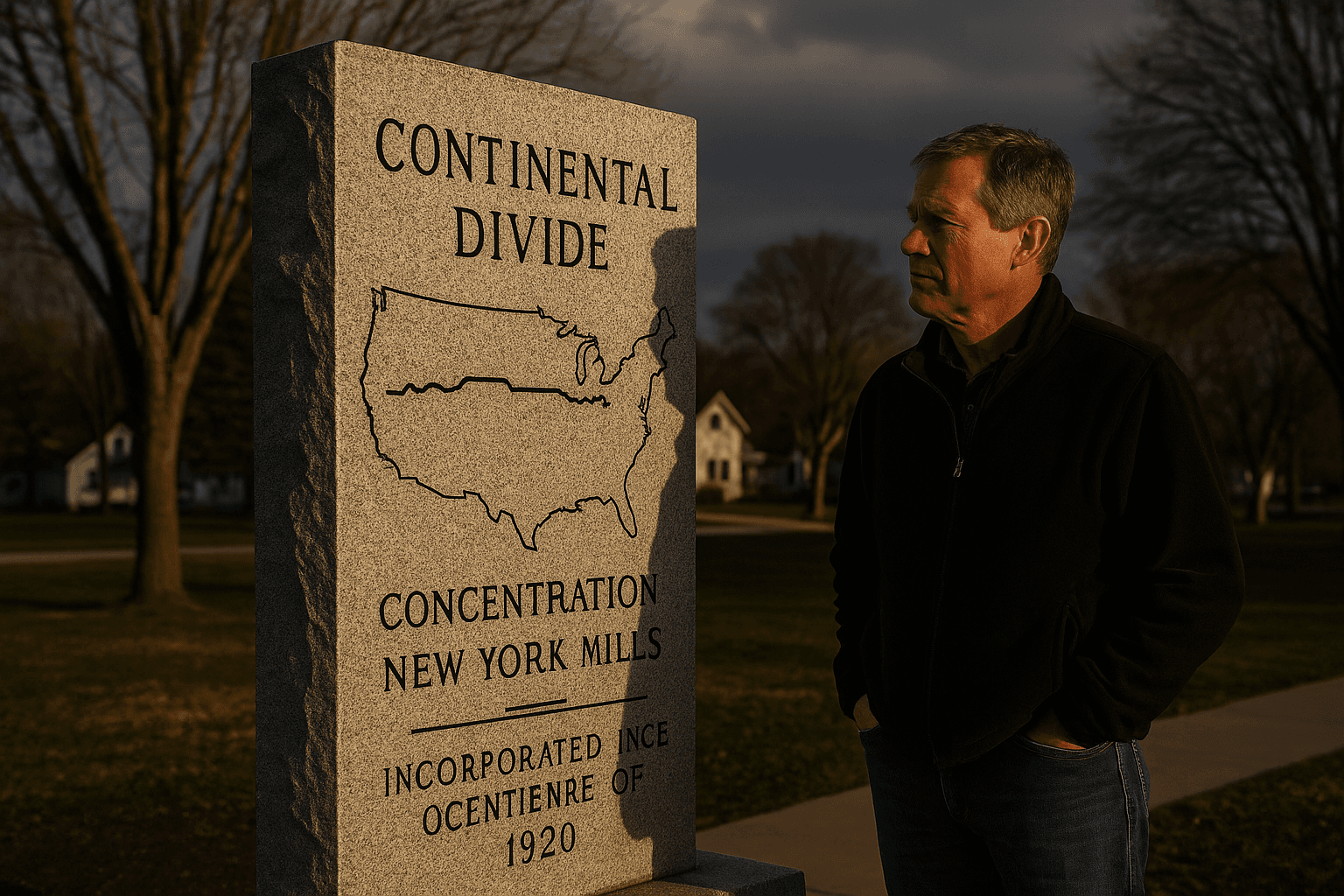
Looking ahead the monument anchors New York Mills in longer term conversations about place based tourism, local education and cross boundary environmental considerations. As a visible point of interpretation the Centennial Monument strengthens the town's civic brand while reminding residents that local landscapes can connect communities to continental scale history and hydrology.
Sources:
Know something we missed? Have a correction or additional information?
Submit a Tip