Central Dakota Ag Day brought cybersecurity and mental health focus to Carrington
NDSU Extension hosted the Central Dakota Ag Day at the Carrington Research Extension Center on Friday, December 6, 2025, with sessions on crop and livestock management, agricultural cybersecurity, and mental health resources for producers. The free one day program addressed technical and social challenges facing regional farmers, offering continuing education units and practical guidance that affects crop yields, community health, and rural economic stability.
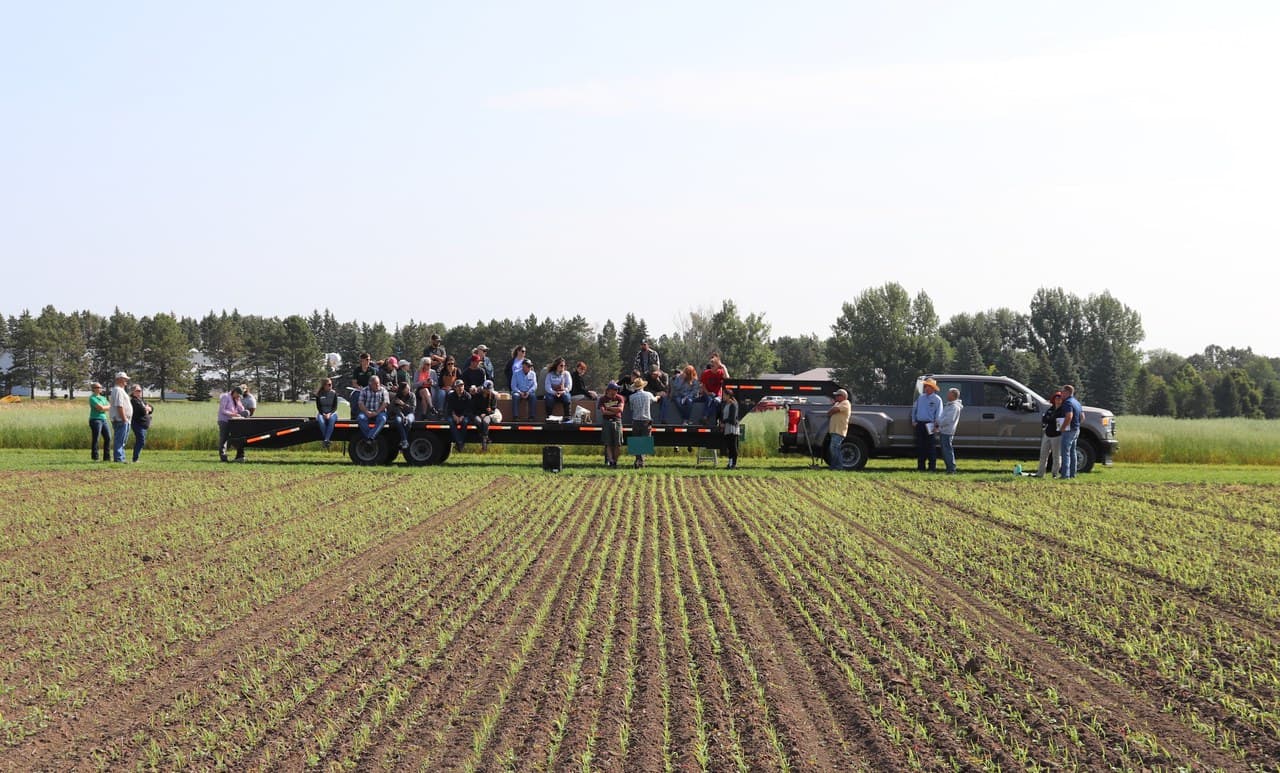
NDSU Extension agents from multiple counties, including Stutsman County, organized the Central Dakota Ag Day at the Carrington Research Extension Center on December 6, 2025. The one day program combined technical agronomy and livestock sessions with a keynote on agricultural cybersecurity, a crop market outlook, and information on mental health supports for producers. No registration was required and lunch was provided. Certified crop advisers were eligible to earn continuing education units.
The program covered specific crop issues such as white mold and soybean disease management, fungicide optimization, and wheat weed management while also featuring demonstrations of robotic weeders. Those technical sessions aimed to help producers protect yields, reduce unnecessary chemical use, and adapt to labor and input cost pressures that affect farm viability. The crop market outlook session sought to translate national and global trends into practical implications for planting and marketing decisions that shape household and county revenue.
Agricultural cybersecurity emerged as a priority given growing reliance on digital tools for equipment operation, data management, and market information. Strengthening cybersecurity practices reduces risks to farm operations, local supply chains, and rural infrastructure, and supports community resilience in the face of targeted attacks or outages.

Mental health resources for producers were integrated into the agenda to respond to the persistent stresses of weather variability, commodity price swings, and labor shortages. By placing mental health information alongside technical training, the event recognized health as integral to agricultural productivity and community well being. Access to these resources matters for Stutsman County because rural residents face barriers to care, including provider shortages and transportation challenges.
The event model of no cost attendance, local organization by extension agents, and continuing education credit supports equity by lowering barriers to participation for small and mid sized operations. Continued investment in extension programming, rural mental health services, and cybersecurity education will be important for sustaining agricultural livelihoods and protecting public health across the county.
Sources:
Know something we missed? Have a correction or additional information?
Submit a Tip