CHERRY XTRFY Unveils TMR Magnetic Keyboards with 8000 Hz Wireless
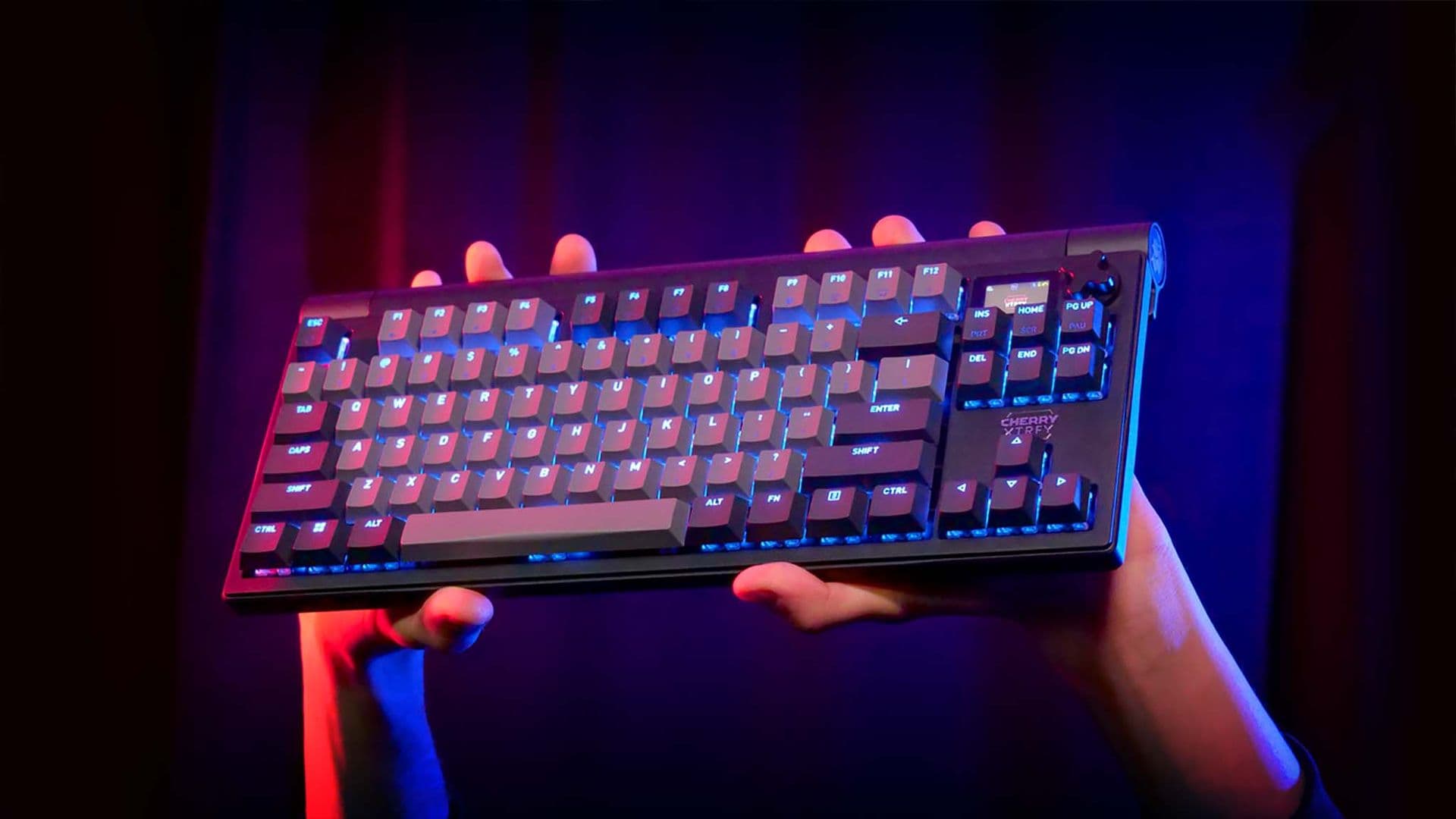
CHERRY XTRFY announced two TMR magnetic-switch keyboards at CES 2026, led by the MX 8.2 Pro TMR Wireless TKL using CHERRY’s MK Crystal magnetic switches with tunneling magnetoresistance sensors. The MX 8.2 Pro claims 0.01 mm precision and an 8000 Hz wireless polling rate for near-wired latency, while a compact K5 Pro TMR 65% is slated for spring; both boards offer rich software customization, adjustable actuation, and dual hot-swap capability for mixing magnetic and mechanical switches.
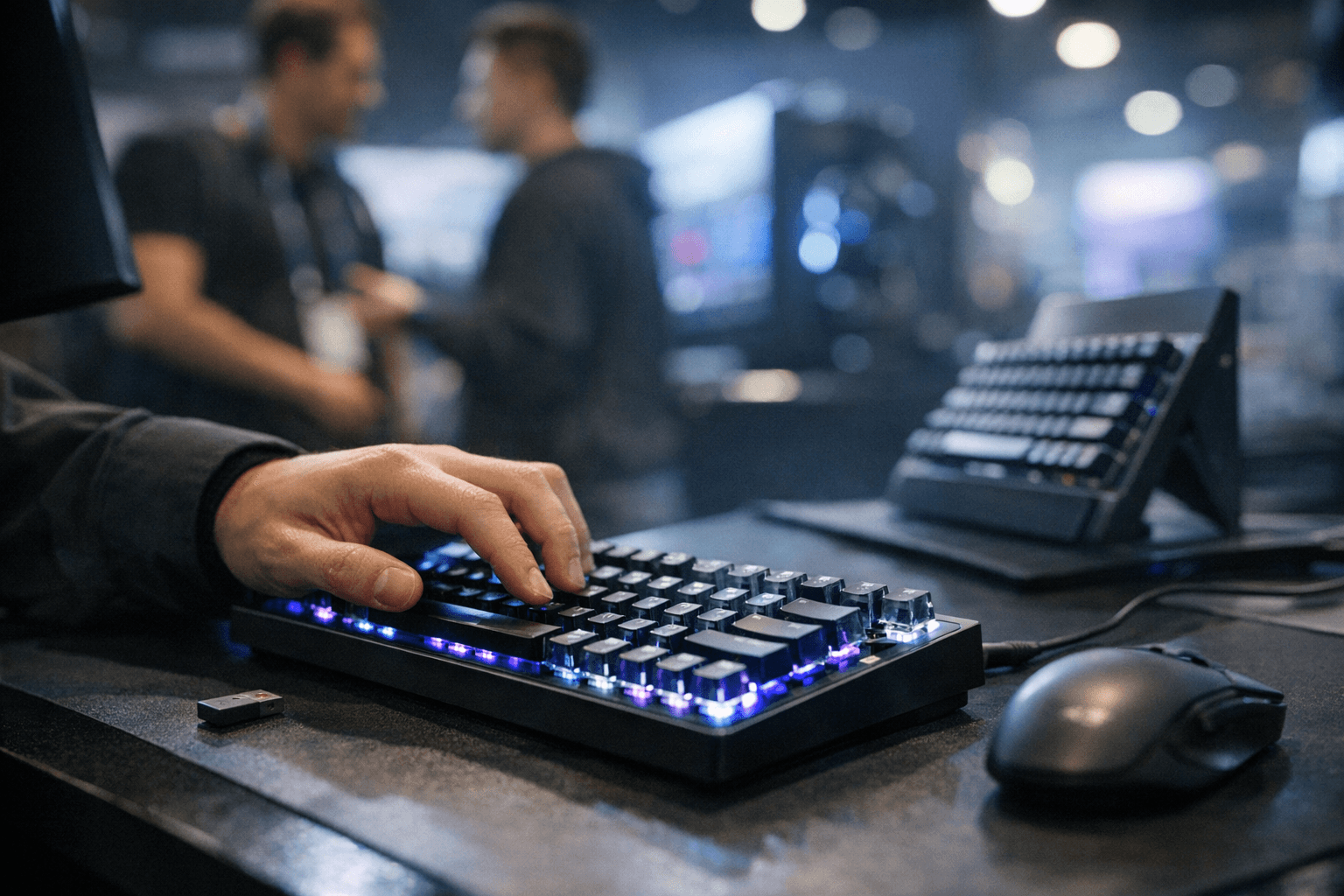
CHERRY XTRFY used CES 2026 to push magnetic sensing beyond Hall-effect designs with two new keyboards built around TMR, or tunneling magnetoresistance, sensors. The headline model, the CHERRY XTRFY MX 8.2 Pro TMR Wireless, is a tenkeyless board that pairs CHERRY’s MK Crystal magnetic switches with TMR sensing hardware that the company says delivers extreme precision down to 0.01 mm. The MX 8.2 Pro also touts an 8000 Hz wireless polling mode designed to deliver near-wired latency while remaining wireless, and it is scheduled to launch on January 29 with an MSRP reported around $249.99.
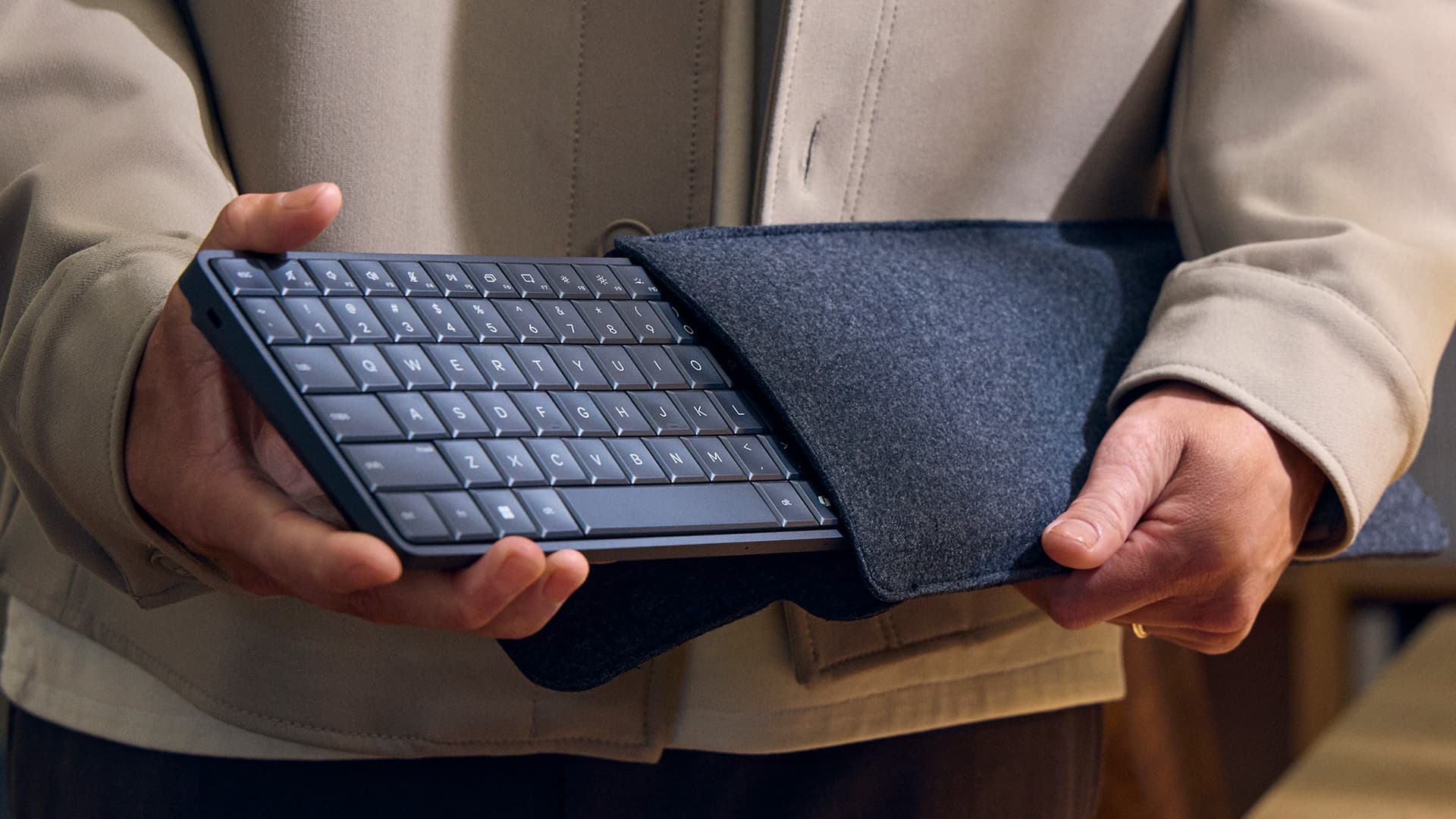
Alongside the TKL, CHERRY XTRFY announced a smaller K5 Pro TMR, a 65 percent compact model set to arrive in spring. Both boards support adjustable actuation and extensive software customization, and they include a dual hot-swap feature that allows you to mix magnetic and mechanical switches on the same plate. That combination opens practical possibilities for hybrid builds, letting you experiment with magnetic feel on some keys while retaining tactile or clicky mechanical switches elsewhere without soldering.
For community builders and competitive players, the headline technical claims are meaningful. TMR sensors aim to raise the precision ceiling for magnetic designs, and the 8000 Hz wireless polling claim targets users who want wireless convenience without sacrificing responsiveness. Adjustable actuation widens the usability range from gaming to typing, and dual hot-swap support reduces barriers to trying magnetic switches if you already own mechanical modules.
Practical next steps: verify latency and battery life in independent testing and pay attention to software features and key remapping options when you evaluate the boards. Check compatibility for keycaps and switch stems if you plan hybrid builds, and look for hands-on reviews that measure real-world polling, wireless stability, and actuation adjustment behavior. The January 29 MX 8.2 Pro TMR release and the K5 Pro TMR’s spring arrival give the community concrete milestones for testing and modding.
CHERRY XTRFY’s move puts TMR magnetic sensing into mainstream keyboard models and makes magnetic-mechanical hybrid layouts easier, which could reshape how builders approach switch choices and wireless performance expectations in 2026.
Sources:
Know something we missed? Have a correction or additional information?
Submit a Tip