Chinese jets direct radar at Japanese planes, Tokyo warns of escalation
Japan said Chinese fighter jets directed fire control radar at its aircraft during encounters near islands claimed by both countries, an action Tokyo regards as a clear escalation. Beijing rejected the allegation, and regional partners voiced alarm as the incidents deepen fears of miscalculation amid rising military activity around Taiwan and contested seas.

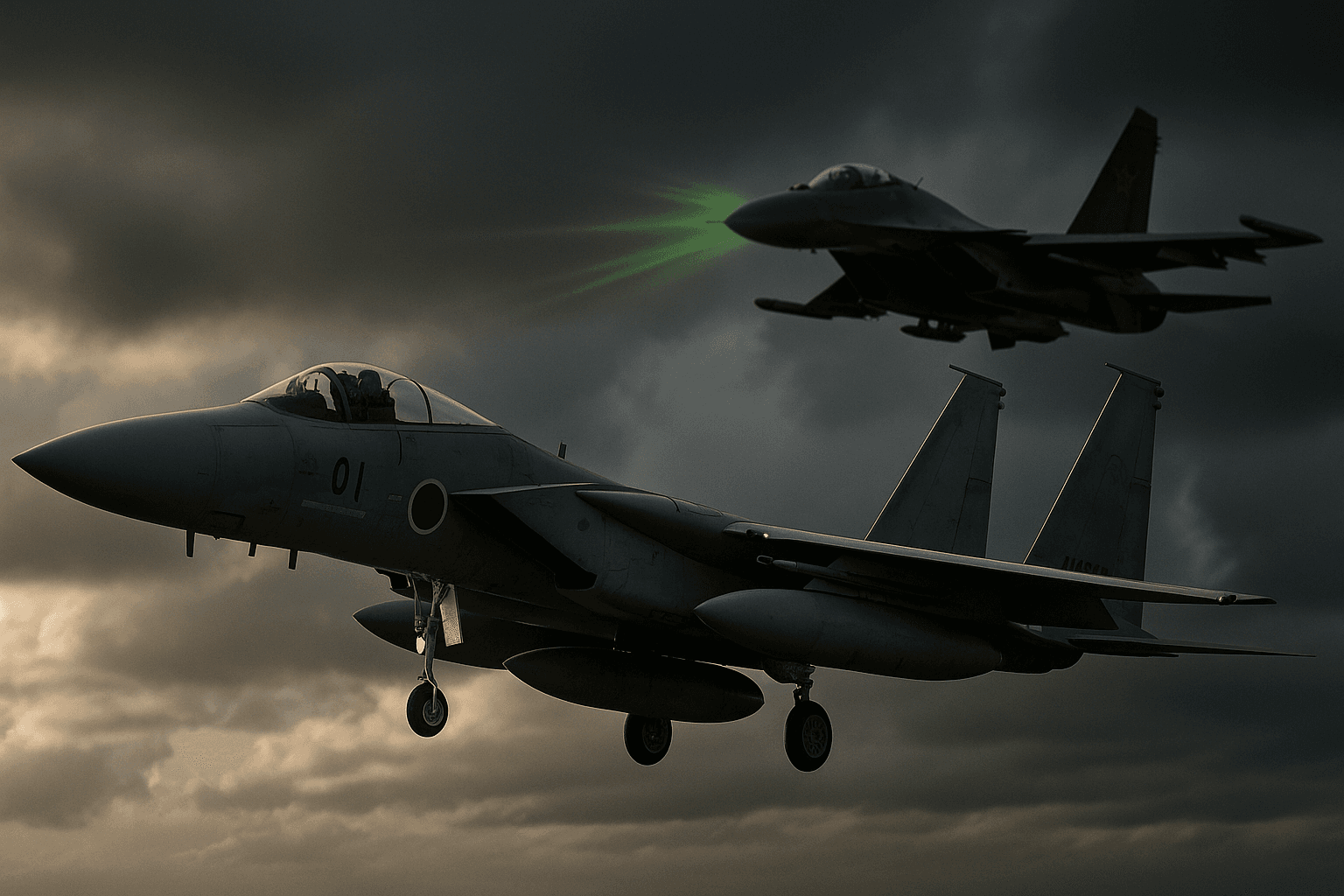
Japanese officials said on Saturday that Chinese fighter jets had directed fire control radar at Japanese aircraft during recent encounters near islands claimed by both countries, describing the moves as among the most serious military run ins in years. Tokyo said directing a radar beam is a threatening step because it signals a potential attack and can force the targeted aircraft to take evasive action.
The Japanese statement did not say whether the Chinese jets had "locked on" to its planes or how Japanese aircrew responded, leaving key details of the encounters unclear. China’s navy issued a direct rebuttal, calling Japan’s characterization erroneous and asserting that Japanese actions had endangered flight safety. Tokyo and Beijing provided no public evidence in the initial exchanges and diplomatic channels remained active on Sunday.
The incidents occurred against a backdrop of expanded patrols and more assertive military postures across the East China Sea and the wider region. Military activity near Taiwan, increased naval sorties and frequent air intercepts have raised anxiety among capitals from Seoul to Canberra and Washington. Australia’s defence minister said he was "deeply concerned" and expressed support for Japan in upholding a rules based order, reflecting broader regional unease.
Directing fire control radar at another state’s aircraft is widely viewed by military analysts as a provocative act because it communicates a weapons control solution and the potential for imminent engagement. In peacetime, such measures risk rapid escalation from a routine intercept into a crisis, particularly when neither side is prepared for deescalation. International aviation and maritime safety frameworks do not provide a simple legal remedy for military encounters, complicating efforts to assign responsibility or seek redress under established law.
For Tokyo the incident carries multiple risks. It increases the burden on Japan’s self defence forces to patrol contested airspace, invites political pressure for a firmer response, and complicates diplomacy at a time when leaders are seeking to manage rivalry without open conflict. For Beijing the episode underscores the fraught calculus between demonstrating resolve over contested waters and avoiding an accidental clash that could strain ties with neighbours and trade partners.
Analysts say the episode underscores an urgent need for clearer crisis management mechanisms between the two militaries, and for third party confidence building measures that can reduce the chances of miscommunication in crowded airspace. Without transparent incident reporting and agreed protocols for intercepts, routine operations may continue to flirt with danger.
The wider international community faces a delicate balancing act. Governments that depend on stable trade routes and peaceful dispute resolution have limited appetite for confrontation, yet many also seek to uphold established legal norms for maritime and airspace conduct. How Tokyo and Beijing navigate the diplomatic aftermath will be closely watched in capitals across Asia and beyond, because the stakes include regional stability, economic security, and the precedent set for managing great power competition in proximate waters.