Chinese Jets Directed Fire Control Radar at Japanese Aircraft, Tokyo Protests
Japan said Chinese fighter jets aimed fire control radar at its aircraft over international waters near Okinawa on Saturday, calling the action "dangerous" and lodging a formal diplomatic protest. The incidents involved aircraft from the carrier Liaoning and amplify risks of miscalculation amid heightened regional security tensions.

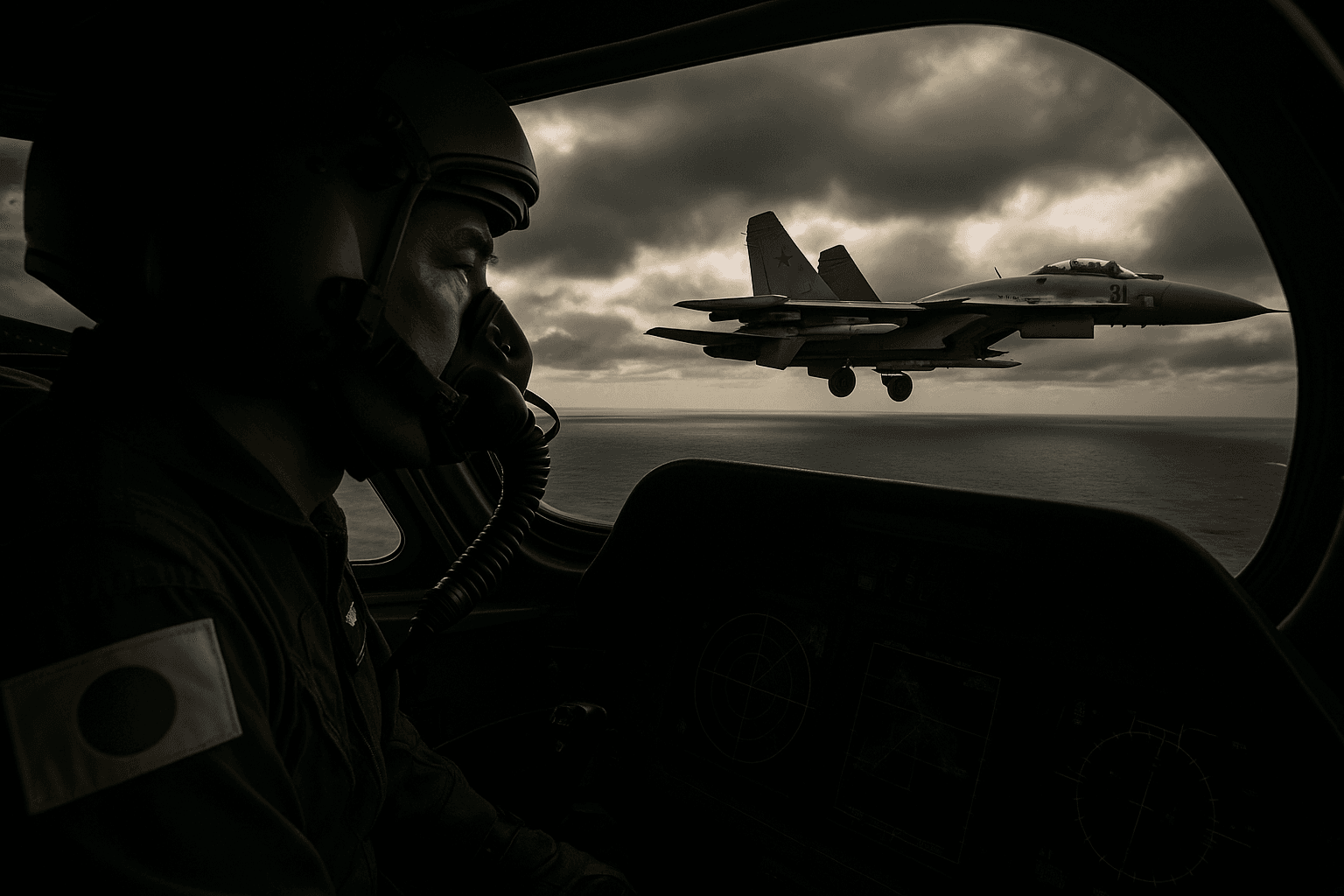
Japan’s defense ministry said Chinese fighter jets directed fire control radar at Japanese aircraft in two separate encounters over international waters near Okinawa on December 6, an action Tokyo described as "dangerous" and for which it lodged a formal diplomatic protest. The ministry said there was no violation of Japanese airspace but that the radar illumination, which indicates target designation, constituted one of the most provocative actions short of firing.
Japanese officials reported that the Chinese jets launched from the aircraft carrier Liaoning, which was maneuvering in the area. The ministry said the illumination occurred during two distinct episodes on Saturday and that Japan had protested through established diplomatic and military channels. China’s defence ministry later denied that its forces had used fire control radar.
The incidents come amid sustained vigilance by regional states over Chinese naval and air activity in waters and skies adjacent to Japan. Operations in exclusive economic zones and international waters are lawful under the law of the sea but can escalate tensions when coupled with aggressive targeting practices. Fire control radar is widely regarded by military analysts as a clear signal of targeting intent, and its use raises the risk of miscalculation in encounters between fast moving aircraft.
Tokyo’s public protest is likely to have several immediate aims. Domestically it signals a determination to protect national security and reassure a public sensitive to incursions near Okinawa, where many communities host large concentrations of Japan Self Defense Forces and United States military facilities. Internationally the protest seeks to put pressure on Beijing to avoid actions that could provoke incidents with wider regional implications and to record Tokyo’s formal objections in the diplomatic record.
The diplomatic exchange also underscores wider strategic calculations. Japan maintains a security alliance with the United States and regularly coordinates on regional air and maritime domain awareness with partner countries. While Tokyo did not say whether it would seek allied diplomatic support for the protest, the incident is the sort of interaction that can prompt consultations between capitals concerned about freedom of navigation, overflight, and the safe conduct of military operations.
Beijing’s denial of the specific radar use leaves open the prospect of asymmetric accounts of the same event, a common feature of tense military encounters. Absent independent verification, such as radar tracks released by either government or third party monitoring, the episode will likely be contested in both Tokyo and Beijing narratives.
Analysts say the incident highlights the narrow margins for error in crowded air and sea spaces and the importance of confidence building measures to reduce the risk of dangerous encounters. Until such measures are broadened, episodes like Saturday’s are likely to recur, testing regional mechanisms for crisis prevention and the diplomatic channels that must manage them.