Choosing model railroad signals: practical options for every layout
This how-to surveys signal types, siting, and automation choices so modelers can match era, budget, and operating goals.
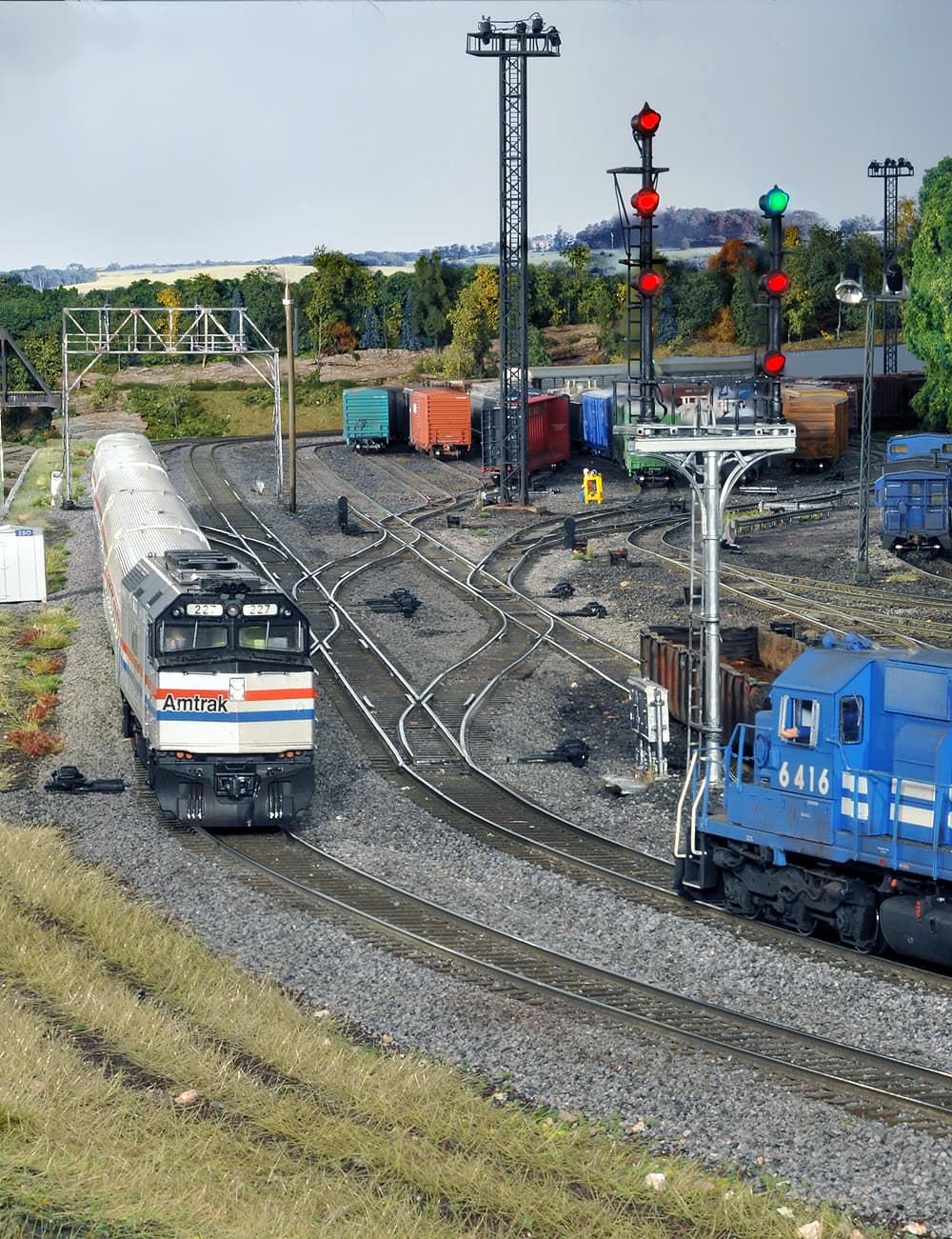
Signals add more than flair to a layout; they communicate movement, reinforce prototype practice, and change how crews operate trains. This how-to walks through the core decisions: why you want signals, which prototype types to model, where to place them, and how to balance cost and complexity from simple decorative units to fully interlocked systems.
Start with your purpose. Are signals purely scenic, or do you want them to convey movement and enforce block rules during operating sessions? Decorative signals keep wiring and costs low and still deliver visual authenticity for semaphores, searchlight, or position-light masts. If you want operation - automated aspects, route indication, or interlocking with turnouts - plan for block detection, control logic, and a supplier that supports upgrades.
Know the prototypes. Semaphores use mechanical arms to show stop and proceed indications and are a strong match for 19th- and early 20th-century layouts. Searchlight signals use a single head and color lenses to present multiple aspects in a compact shell and suit mid-20th-century mainlines. Position-light signals display a pattern of illuminated lenses to indicate routes and restrictions and work well for heavy-traffic prototypical signaling. Understanding how aspects map to instructions on your chosen prototype era helps you decide how many heads and what animations or LEDs you need.
Scale fidelity and availability influence model choice. Off-the-shelf signal models can save time and money and are available in popular scales, but scratch- or kit-building gives finer detail for close-up scenes or rare prototype types. Account for mounting height, sightlines, and wiring access when you site signals; place heads where engineers would see them on approach and consider staging-area sightlines for hidden yards. Keep in mind clearances on curves and room for signal masts near turnouts.

Automation options range from basic occupancy-triggered aspects to fully interlocked routes. Suppliers and control systems that support staged upgrades include Integrated Signal Systems, Digitrax, RR CirKits, Atlas, and others. These products support a pathway: start with LEDs and manual control, add block detectors for occupancy indication, then layer on interlocking logic or computer control when you’re ready. That lets you match complexity to budget and operating needs without redoing the whole layout.
Practical steps: pick your prototype and era, choose signal type and scale fidelity, mock up siting and sightlines, buy or kit-build a test signal, and select a control path that supports incremental upgrades. For group ops, prioritize consistent aspects and clear sightlines so engineers and dispatchers share the same rules.
Signals are one of the most rewarding upgrades for model railroaders: they sharpen operations, teach real-world railroad rules, and look great in photos. Start small, plan for growth, and signal your layout’s next phase with a system that grows with your ambitions.
Sources:
Know something we missed? Have a correction or additional information?
Submit a Tip