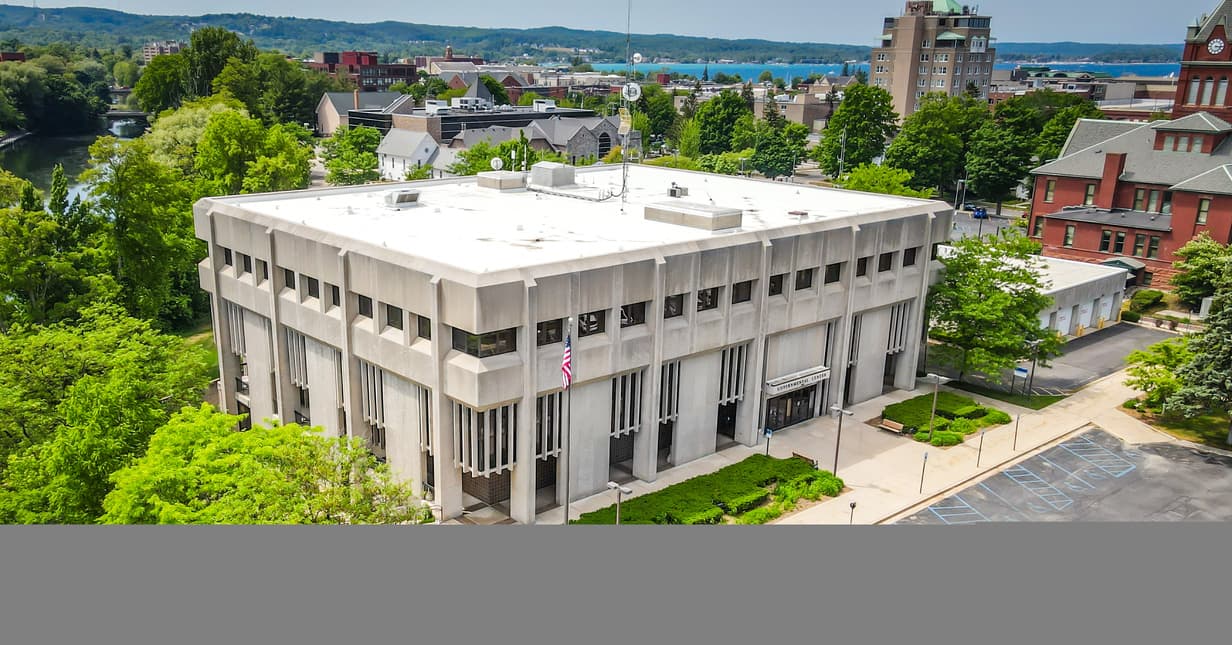
City Moves Toward Tenants, Seeks Nonprofit Uses for Historic Buildings
Traverse City commissioners unanimously backed beginning a request for proposals process to find tenants for the Bijou by the Bay and the Carnegie Building, emphasizing a preference for nonprofit uses focused on arts, culture or the environment. The decision sets a months long timetable that could shape preservation costs, operating responsibilities and community access to two landmark properties.
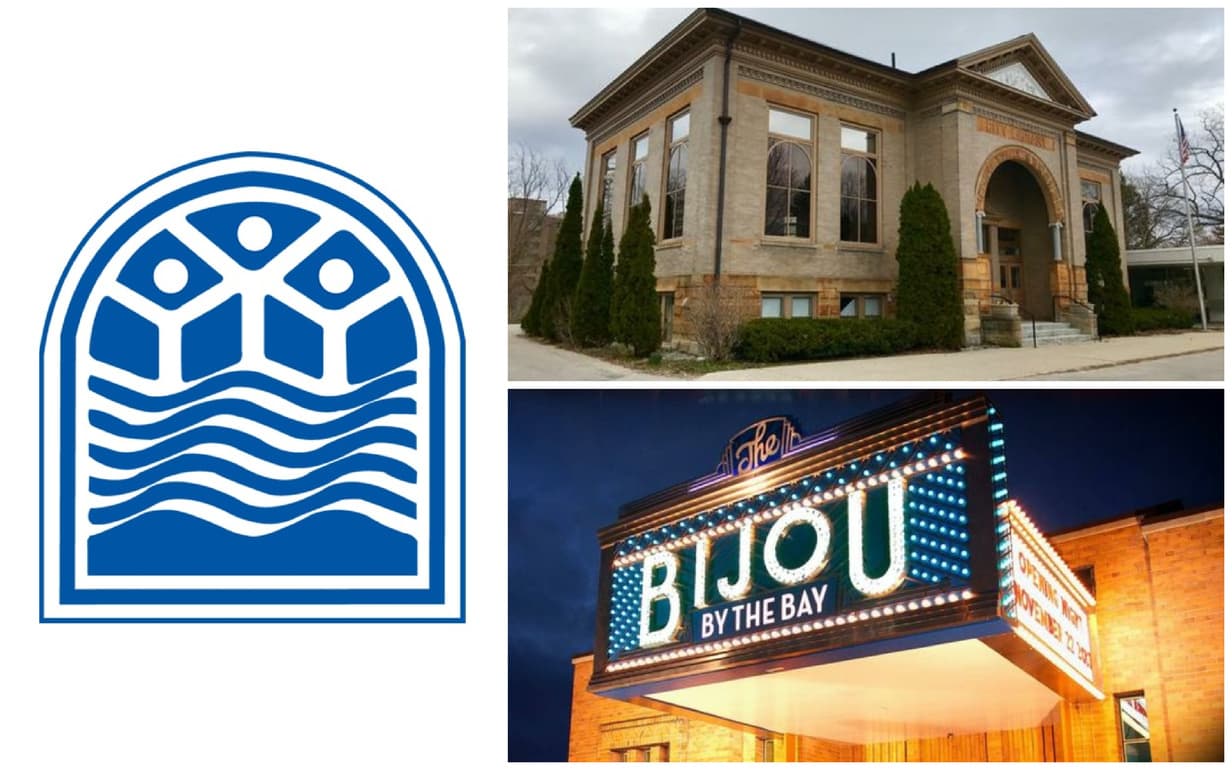
At a Dec. 9 study session, Traverse City commissioners directed staff to draft a request for proposals to solicit tenants for two city owned buildings, signaling broad agreement on prioritizing nonprofit uses tied to arts, culture or environmental missions. Commissioners made no formal vote at the meeting, but they asked staff to return with an RFP process for approval, a step officials said will take several months after it is finalized.
Deputy City Manager Deb Allen told commissioners both facilities require significant maintenance and conversion work before hosting new tenants. The Bijou by the Bay, the Con Foster building in Clinch Park, has been vacant since the Traverse City Film Festival allowed its lease to expire at the end of 2024. Staff estimated conversion costs between $100,000 and $500,000 depending on planned uses and necessary improvements.
The Carnegie Building on Sixth Street remains leased to Crooked Tree Arts Center through October 2026, but staff reported roughly $600,000 in deferred repairs, including heating, ventilation and air conditioning upgrades and window work. The existing lease gives the arts center use for the next year and a half, while the city evaluates long term stewardship and the capital investment required to preserve the structure.
Commissioners also reviewed ongoing needs at the City Opera House, citing structural flooring repairs, water damage remediation and a planned roof replacement estimated at $150,000. Elected officials emphasized that future lease arrangements should cover operating costs to limit ongoing pressure on the municipal budget.

The RFP approach prioritizes community oriented tenants, but it also raises practical questions about financing renovations and balancing public access with financial sustainability. For nonprofit organizations that might pursue space, the city signals openness while also asserting that leases will need to reflect the true costs of operating and maintaining historic assets. For taxpayers, the forthcoming RFP and any subsequent lease decisions will determine whether the city will continue to shoulder capital repairs or shift responsibility to tenants.
Staff will return to commissioners with a draft RFP and timeline for review and approval. Residents can expect further public discussion as the city refines criteria for applicants and outlines funding responsibilities associated with each property.
Sources:
Know something we missed? Have a correction or additional information?
Submit a Tip