Claremont Shelter Opens Early, Expands Capacity to Serve Homeless
The Warm Welcome Shelter in Claremont opened for the winter season on December 1, 2025, a month earlier than last year, increasing bed capacity and relying on volunteer staff at Trinity Church. The move matters to Sullivan County residents because expanded shelter operations reduce cold weather health risks, ease pressure on emergency services, and expose persistent funding and staffing gaps in regional homeless services.

The Warm Welcome Shelter in Claremont began operations on December 1, 2025, opening a month earlier than the prior winter season to accommodate a growing number of residents experiencing homelessness in the Upper Valley. Operated by volunteers at Trinity Church, the shelter increased its capacity compared with recent seasons while continuing to face uncertainty around staffing and consistent funding that shapes how long expanded services can continue.
Volunteers and local officials say seasonal shelters remain a critical safety net as temperatures drop and demand rises. On opening night volunteers and shelter staff reported a steady stream of arrivals, underscoring the urgency that organizers have highlighted in planning and outreach. “Shelters…are meant to provide you a safe haven — get you up off the street,” local volunteers emphasized, pointing to the basic protections that a warm bed offers against exposure and health complications in winter months.
The early opening and larger capacity have implications beyond immediate sheltering. From a public health perspective, keeping people indoors reduces hypothermia risk, limits exposure to communicable illnesses, and lowers reliance on emergency departments for conditions that could be prevented with stable shelter. For hospitals and first responders in Sullivan County, functioning seasonal shelters help triage community needs and free limited emergency resources for acute clinical cases.
Regional coordination matters. Neighboring communities balance their own budgets and services, and municipal allocations such as Lebanon town budget decisions influence where people seek shelter and how organizations coordinate intake and referrals. Volunteers and service providers say gaps in long term funding and paid staffing create an uneven patchwork that can leave people without options when capacity is reached.
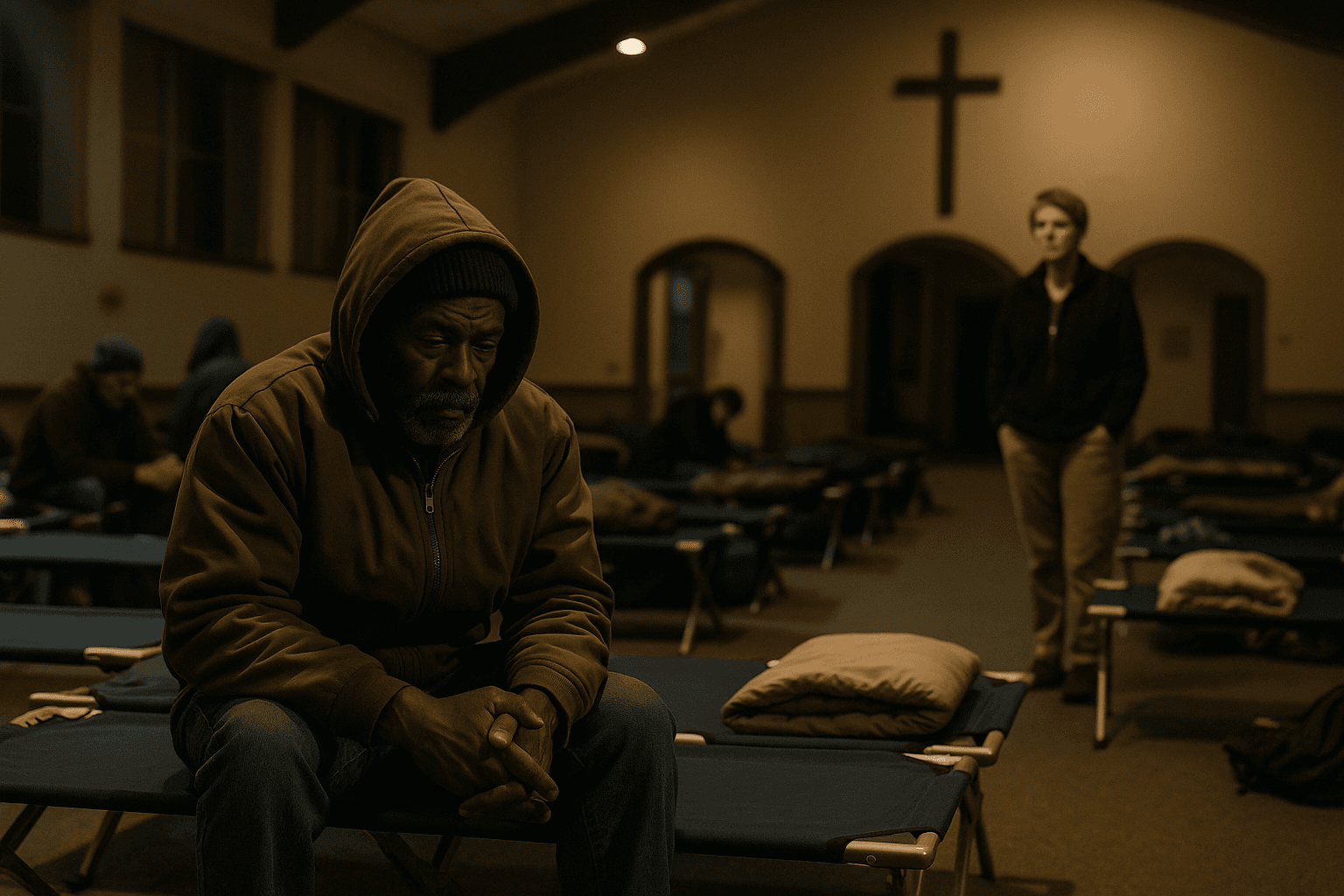
The reliance on volunteer labor at Trinity Church highlights broader equity questions. When core social services depend on charitable time and goodwill, continuity of care and access to case management and health supports can be limited. Advocates say sustained municipal investment, stronger regional planning, and partnerships with health care providers are needed to move from emergency response to stable housing pathways.
As winter deepens, the Warm Welcome Shelter will remain a crucial part of the local safety net. Its early opening offers short term relief, while also casting light on persistent policy challenges about how communities fund and coordinate responses to homelessness.