Clinton Community Shred Day Removes Sensitive Paper and Risk
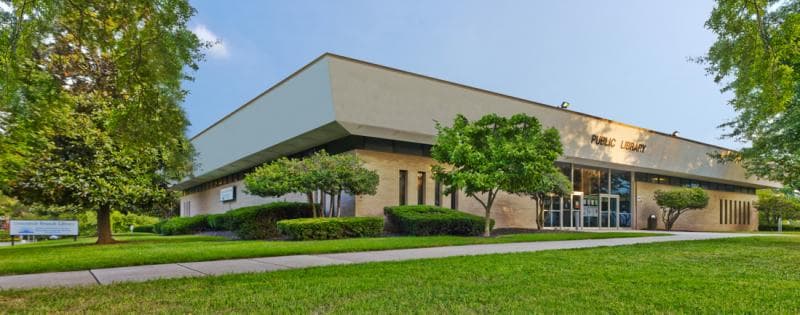
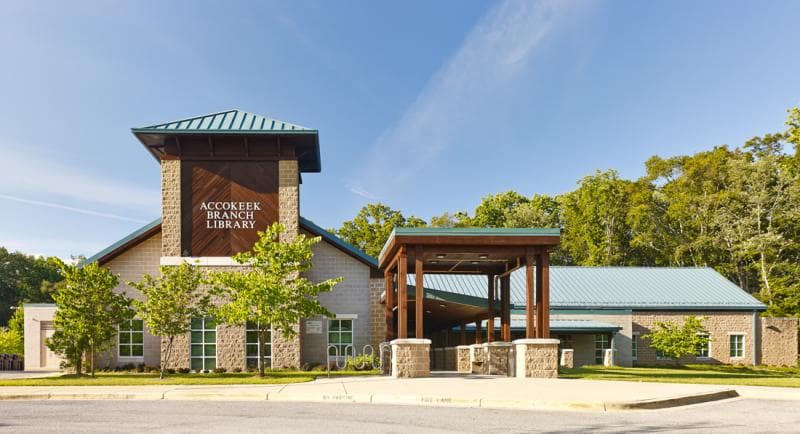
On Saturday, December 6, community members gathered at the Surratts Clinton branch parking lot for a free document shredding event hosted by the Alpha Kappa Alpha Sorority, Inc., Alpha Alpha Sigma Omega Chapter. The event helped residents securely dispose of sensitive paperwork, reducing the risk of identity theft and supporting local efforts to manage household waste.
Hundreds of Prince George's County residents had an opportunity to protect personal information when a professional shredding truck was on site at the Surratts Clinton branch parking lot, 9400 Piscataway Road in Clinton, on Saturday, December 6 from 10 a.m. to 1 p.m. The Community Shred Day was presented by the Alpha Kappa Alpha Sorority, Inc., Alpha Alpha Sigma Omega Chapter and was open to the public free of charge. Organizers asked attendees to bring paper documents only and to follow posted site guidelines.
The event placed practical data security tools within reach of local households. In a county of roughly 967,000 residents, targeted community services like mobile shredding reduce common avenues for identity theft and mail theft by removing old bank statements, medical forms, tax documents, and other sensitive papers before they can be misused. For many residents, particularly older adults and households handling complex paperwork, such one day events provide low friction access to secure disposal that would otherwise require travel or paid services.
Beyond immediate fraud prevention, the event carried economic and environmental implications. Secure shredding limits the potential for financial losses tied to identity theft that can burden families and local social services. When shredded material enters proper recycling streams local municipalities gain from reduced landfill pressure, which can modestly lower community waste management costs over time. The sorority chapter's role underscores the importance of civic groups in delivering public goods at low cost, filling gaps between county services and resident demand.
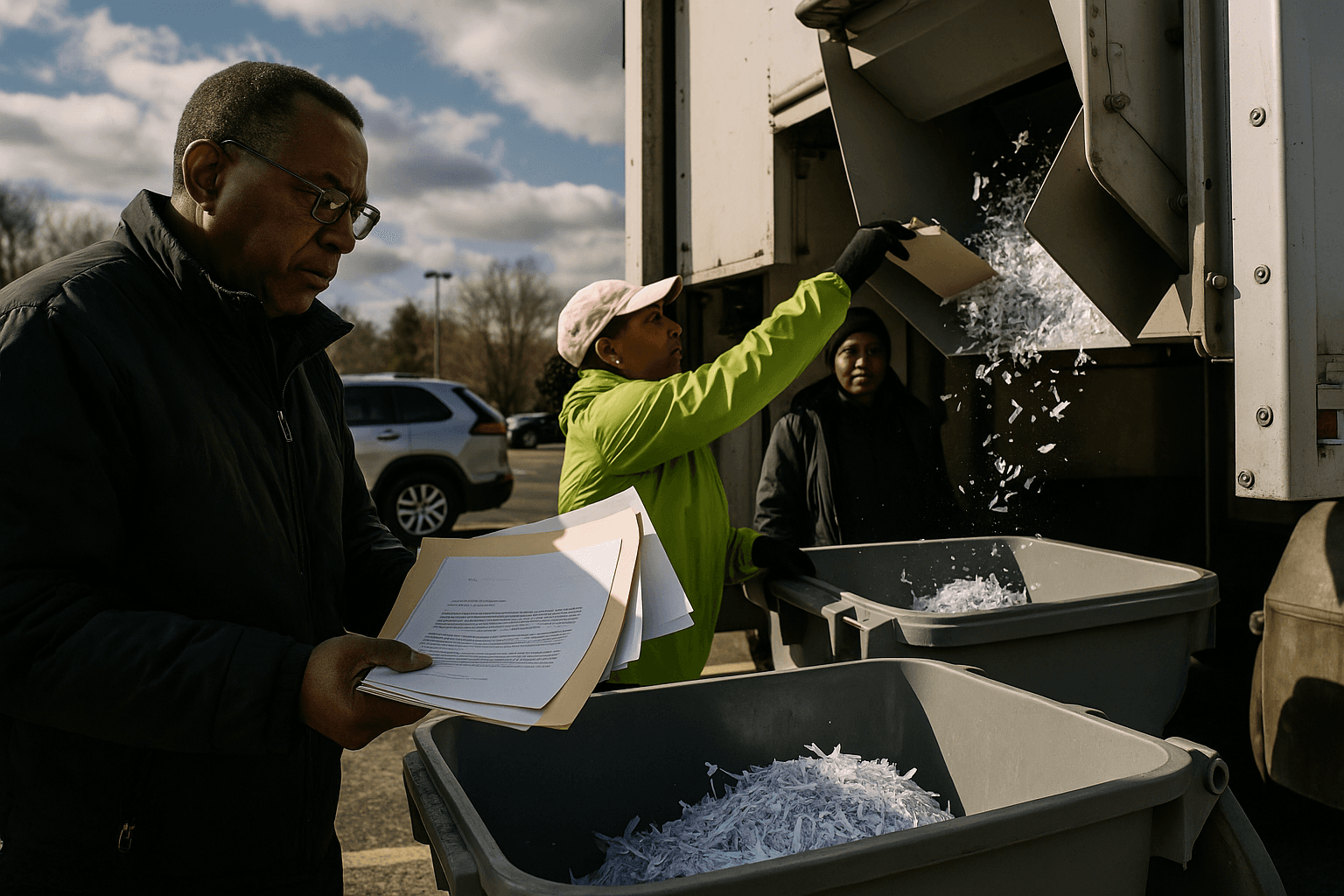
Looking ahead, community organizers and local policymakers may consider scaling similar initiatives, targeting neighborhoods with higher concentrations of vulnerable residents and coordinating with county recycling programs to maximize environmental benefits. For residents who missed the event, organizers recommend watching for future dates, preparing only paper for shredding, and following posted instructions to ensure efficient processing at site. The event demonstrated how neighborhood level action can strengthen household financial security while contributing to broader municipal sustainability goals.