Cold Case Breakthrough Links 1987 Murder to Known Killer
Douglas County investigators announced on December 3 that new forensic analysis matched DNA from a 1987 homicide to a convicted killer who died in custody in 1996. The result closes a decades old investigation, highlights advances in forensic science, and underscores the value of evidence preservation for local families and law enforcement.

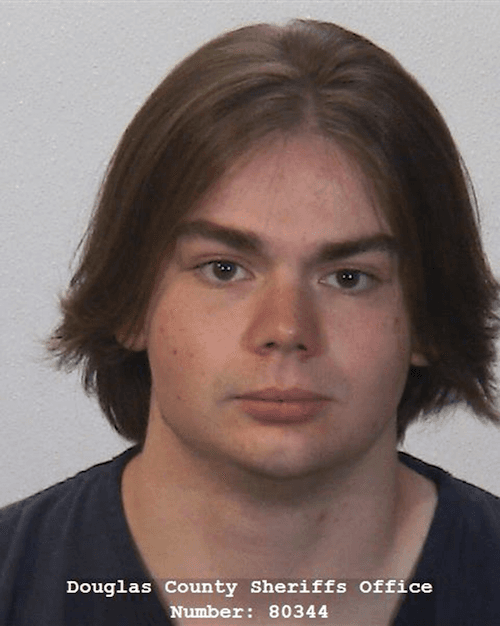
Douglas County law enforcement revealed a major development in the 1987 killing of 30 year old Rhonda Marie Fisher, saying analysts extracted a DNA profile from trace skin cells found on two paper bags that had been placed on Fisher’s hands at the crime scene. Investigators reported that the profile matched genetic material linked to Vincent Darrell Groves, a convicted killer who died in custody in 1996 and who is tied to multiple murders in the Denver metro area in the late 1970s and 1980s. The office announced the match on December 3 and declared the case closed.
Sheriff Darren Weekly described the match as exceptionally rare given the age and type of evidence involved. Forensic partners at the Unified Metropolitan Forensic Crime Laboratory confirmed the DNA profile and the match through CODIS, the national database used to compare profiles across agencies. The sheriff’s office said this resolution is one of several cold case closures achieved after renewed review and application of modern forensic tools.
The finding carries immediate consequences for Douglas County residents. For survivors and relatives of Fisher, the identification of a likely perpetrator provides long sought closure after nearly four decades. For the community at large it demonstrates how preserved evidence and interagency cooperation can resolve longstanding violent crimes. Because the individual identified died in custody in 1996, prosecutors will not pursue a new criminal prosecution, but the office framed the development as an important step in accountability and truth for the victim’s family.
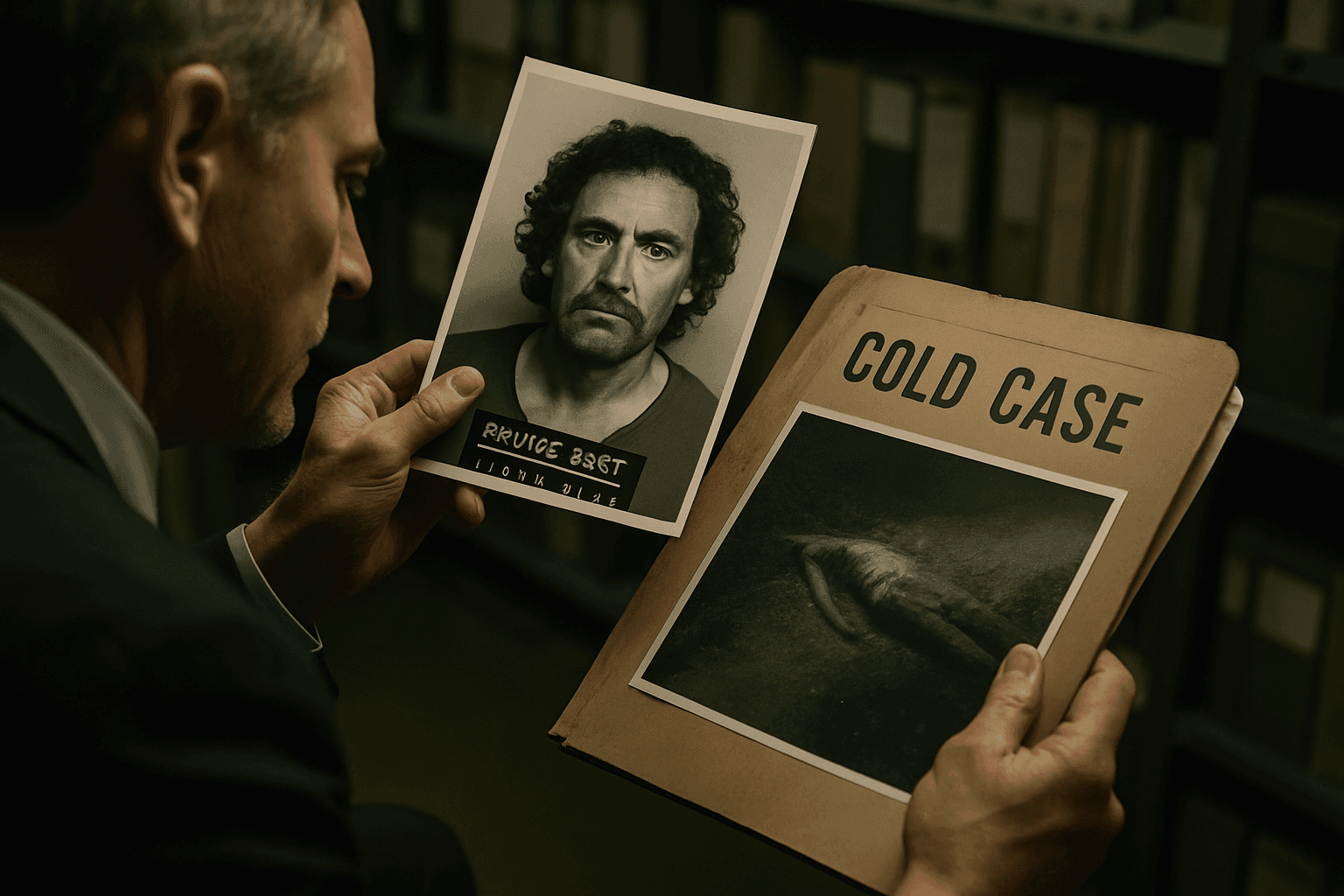
The case also spotlights the evolving capabilities of forensic laboratories and the importance of maintaining and revisiting evidence from unsolved files. Local law enforcement officials say they will continue to apply modern techniques to other cold cases. For Douglas County the outcome underscores a commitment to follow through on unresolved violent crimes, and to balance technological advances with careful stewardship of evidence as a public safety and community reassurance measure.
Sources:
Know something we missed? Have a correction or additional information?
Submit a Tip