Coldwater River at Marks Anchors Local Ecology and Public Safety
The Coldwater River, which runs past Marks in Quitman County, is central to the region’s wetlands, wildlife and outdoor economy and is partly protected by the Coldwater River National Wildlife Refuge. U.S. Geological Survey streamgage and water-quality monitoring at Marks provide data local officials use for flood forecasting, recreational safety and habitat management, making the river a frontline issue for public health and community resilience.
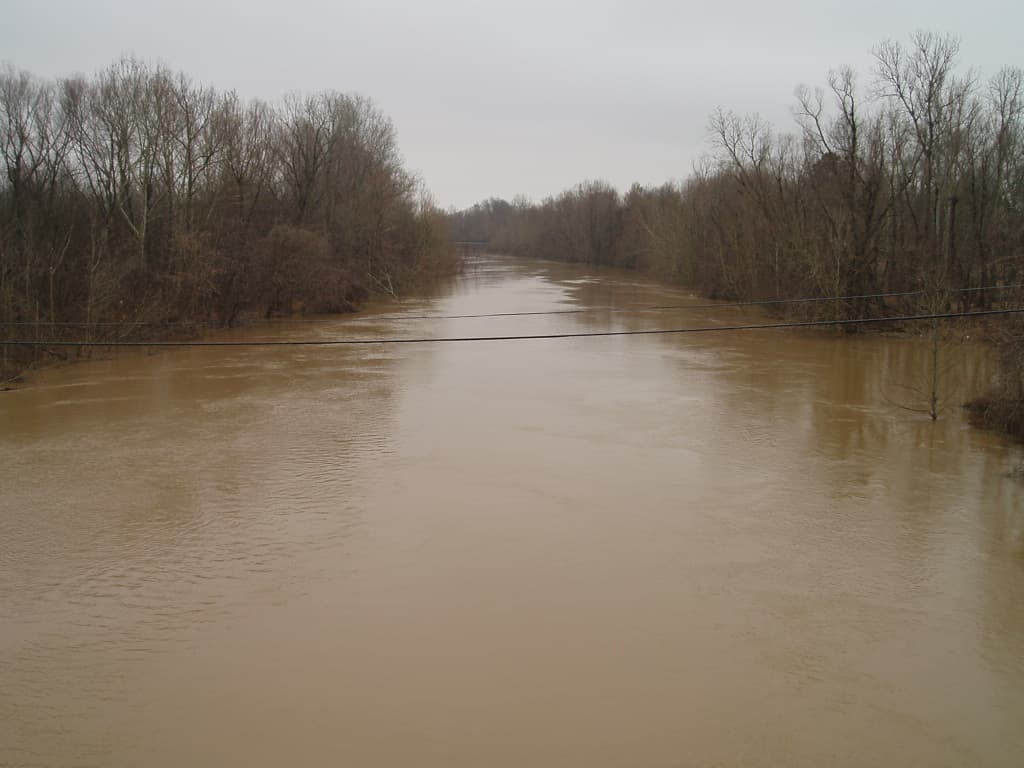
The Coldwater River is more than a scenic waterway for northwestern Mississippi; it is a working natural system that shapes life in Quitman County. The river feeds wetlands and wildlife habitats that support migratory waterfowl and Delta species, and portions of its corridor are protected within the Coldwater River National Wildlife Refuge, which lies partly in Quitman County. Those protected lands offer nearby opportunities for fishing, hunting and wildlife watching that contribute to local recreation and the outdoor-recreation economy.
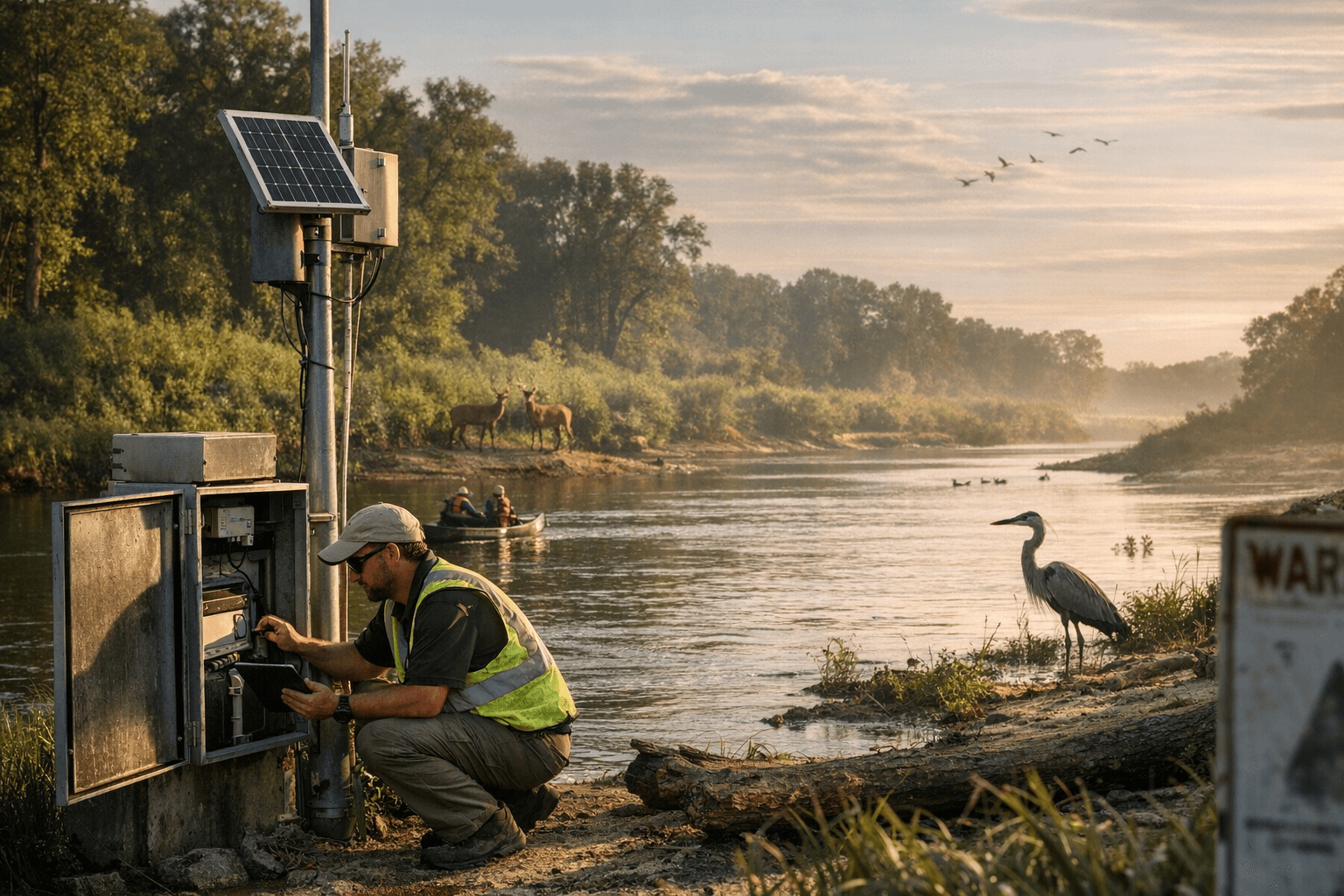
On the practical side, the U.S. Geological Survey maintains streamgage and water-quality monitoring at locations on the Coldwater River at Marks. Local officials and resource managers routinely use those data for flood forecasting, recreational safety and habitat management. That monitoring helps signal rising water levels and changes in water quality that can affect when river access is safe for families, hunters and anglers, and when wildlife habitat needs targeted conservation actions.
For residents of Marks and surrounding communities, the river’s value is both ecological and economic. Hunting and fishing access provides recreation, cultural continuity and in some households a source of food. The refuge supports plant and animal diversity that sustains the broader Delta natural-resource economy. At the same time, the safety of these benefits hinges on reliable monitoring and coordinated response from emergency managers, conservation agencies and public health partners.
Public health and equity issues are integral to this story. Flooding and poor water quality can contribute to injuries, disruptions in health care access, mold-related illnesses and mental health stress, challenges that are often magnified in rural counties with limited emergency services and health infrastructure. Water-quality data at Marks can inform decisions that protect recreational users and subsistence fishers, and sustained investment in monitoring helps ensure early warning for floods that disproportionately affect low-income and resource-limited households.
Looking ahead, maintaining and expanding the partnership between federal monitors, local officials and community organizations will be critical to preserving the Coldwater River’s ecological functions while protecting public health. For Quitman County, the river and refuge are both a natural inheritance and a public responsibility: their stewardship will determine whether the benefits of clean water, safe recreation and resilient communities are shared equitably across the Delta.
Sources:
Know something we missed? Have a correction or additional information?
Submit a Tip