College of the Florida Keys proposes Big Pine Key workforce training campus
College of the Florida Keys plans a Big Pine Key site to expand local CDL, law enforcement and aquaculture training, improving access to in-demand jobs in the Lower Keys.
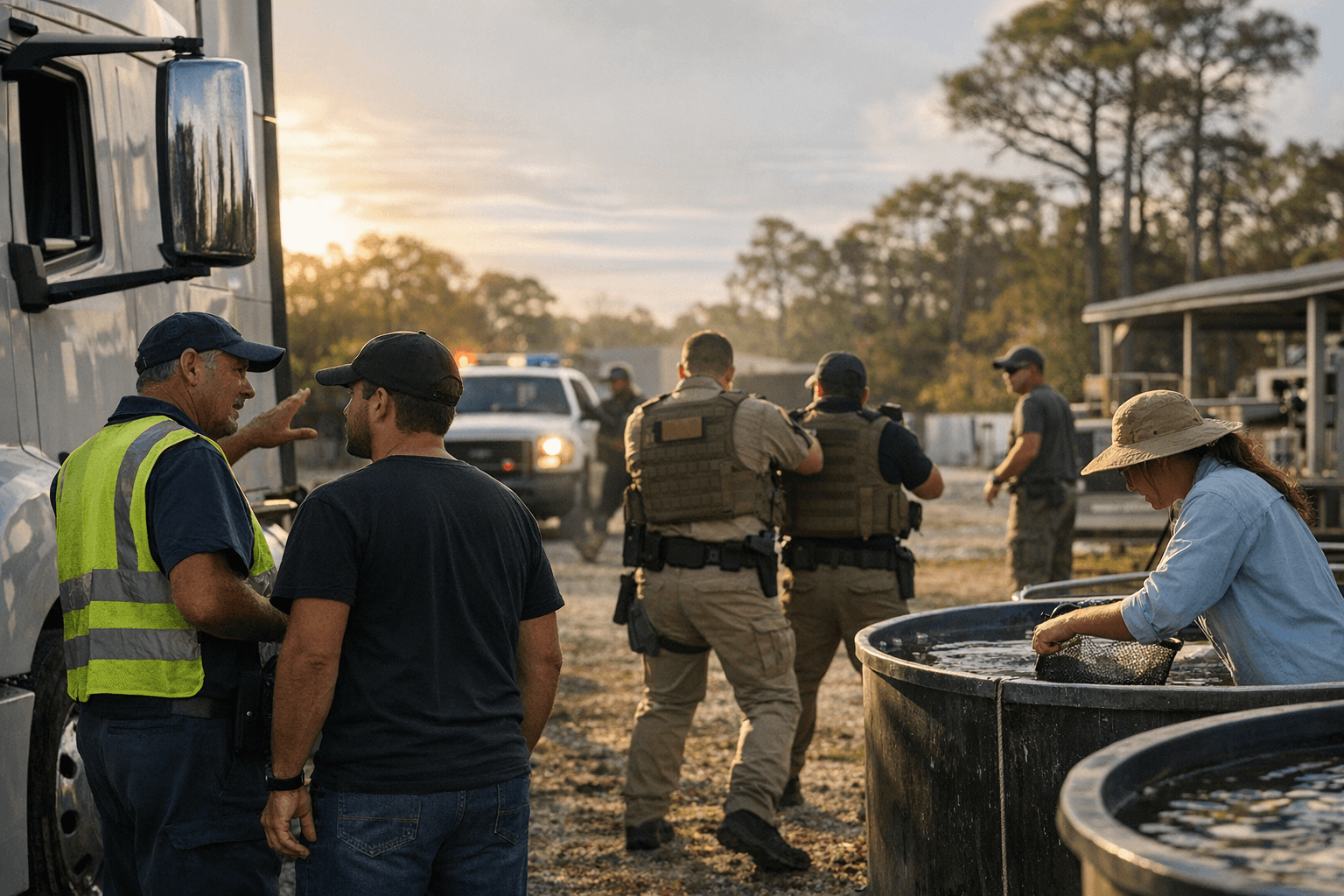
The College of the Florida Keys is moving ahead with plans to develop a workforce training and community site on Big Pine Key that could host commercial driver’s license training, law enforcement vehicle courses, marine aquaculture, construction apprenticeships and shared community space. The project, long discussed with Lower Keys residents, received a $2 million HUD grant in 2023 but must clear a county-led environmental review before funds can be accessed.
Monroe County was named the Responsible Entity for the environmental review and opened a public comment period that closed January 2, 2026. In a notice published December 18, 2025, the county said “the project will have no significant impact on the human environment.” The site sits outside the boundary of the Key Deer National Wildlife Refuge, and the college has replaced the perimeter fence to secure the property and keep wildlife outside.
The college first presented ideas for the site in 2019 at a county commission meeting and held community meetings on Big Pine Key after leasing the property from the state in 2021. Continued outreach and pursuit of funding reflect CFK’s stated mission to expand student-centric academics, continuing education and workforce development across the Florida Keys. “CFK is dedicated to partnering with our Florida Keys community. Our programs are geared to benefit our residents,” emphasized Dr. Jonathan Gueverra, President and CEO of CFK. “This includes both economic prosperity and respecting what makes the Keys special,” he added.
Per Florida statute, CFK is exempt from obtaining Monroe County building permits for development on the site, but any work must still align with the county’s Comprehensive Plan and the use, density and intensity rules in the Land Development Code. County planners will review proposed projects to ensure compliance.
Locally based CDL and law enforcement training could change how Keys residents qualify for jobs that now often require travel to the mainland. Many utilities, public works departments, schools, tourism businesses and other employers require CDLs; law enforcement access to a local tactical course could save agencies at least three full days and related travel expenses. The college already administers CDL tests in the Lower Keys, using a test route that traverses Rockland Key through Key West. The college says its vehicle fleet for training will reflect community demand and may include passenger buses, garbage trucks, school buses, construction trucks and tractor trailers. “The College prioritizes safety and will work with the community to mitigate traffic concerns,” said Dr. Gueverra.
Workforce demand and available funding will determine which programs move forward. CFK is inviting conversations with stakeholders and potential financial supporters and says it will continue to engage the community as plans develop. For questions, residents can contact [email protected].
The takeaway? A locally based training campus could give Lower Keys residents the keys to higher-paying, in-demand jobs while keeping seafood, shoreline and community needs front and center. If this matters to you, reach out to CFK and your county commissioners to stay involved and shape how the project meets both workforce and conservation priorities.
Sources:
Know something we missed? Have a correction or additional information?
Submit a Tip