Colorado River Park preserves Yuma history and supports community
The Colorado River State Historic Park in downtown Yuma preserves 19th century riverfront and military buildings, and interprets the region's role in early river navigation, irrigation development, and westward expansion. The park offers exhibits, guided tours, a small research collection, and special events that support local tourism, education, and community health, though visitors should confirm hours and admission before planning a trip.

The Colorado River State Historic Park, also known as the Yuma Quartermaster Depot, stands on the riverfront in downtown Yuma as a living classroom of the American Southwest. The site preserves a collection of 19th century military and river navigation buildings, and tells the story of early crossings, Army quartermaster operations, and engineering projects such as the Yuma Siphon that shaped regional irrigation and agriculture.
Exhibits and the gift shop are generally open Tuesday through Sunday, roughly 9 a.m. to 4 30 p.m., with the park typically closed on Monday. The park maintains a downtown location near the Colorado River with visitor pages listing addresses around 201 North 4th Avenue and 264 South Main Street, so visitors should confirm the correct address and current hours on the park site or by phone before traveling. Admission fees vary by age and may change for special events, so checking ahead is recommended.
Visitors can expect interpretive exhibits focused on river history and irrigation, a small research collection useful to students and local historians, guided tours, and occasional special events. The park is managed in partnership with Yuma Crossing National Heritage Area and Arizona State Parks, a collaboration that supports preservation work and outreach while tying the site into regional heritage tourism.
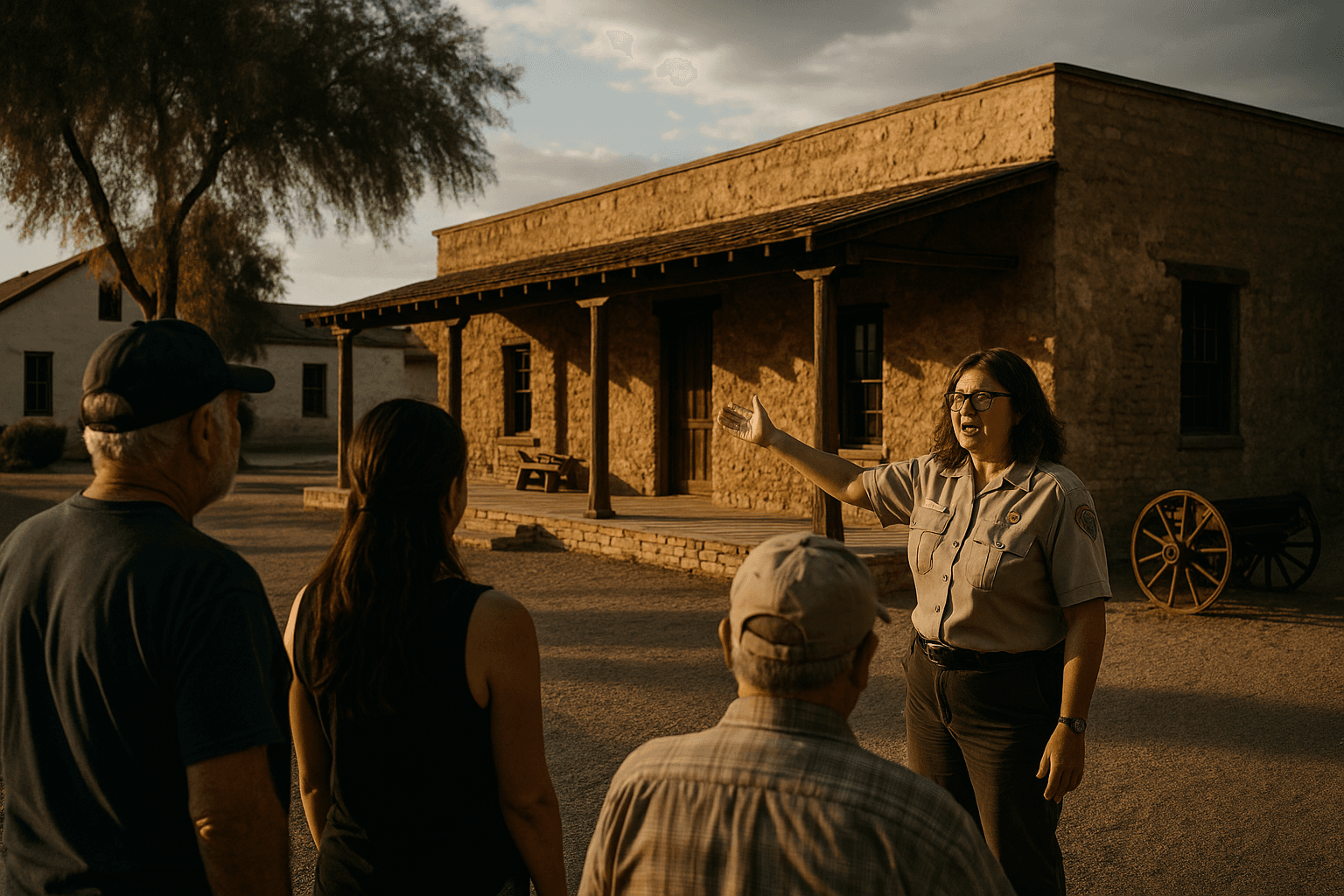
Local impact extends beyond preservation. The park draws residents and visitors into downtown Yuma, supporting nearby businesses and creating educational opportunities for schools and community groups. Outdoor and interpretive offerings also contribute to public health by providing safe open air settings for learning and recreation, promoting physical activity, and reducing social isolation. At the same time, heritage sites present equity concerns, as admission costs, weekday hours, and physical accessibility of historic structures can limit participation by low income families, older adults, and people with mobility challenges.
Sustaining the park will depend on continued funding, partnerships, and programming that prioritize access for all Yuma residents. For reliable planning, confirm hours, admission, and special event schedules on the park site or by phone before visiting.