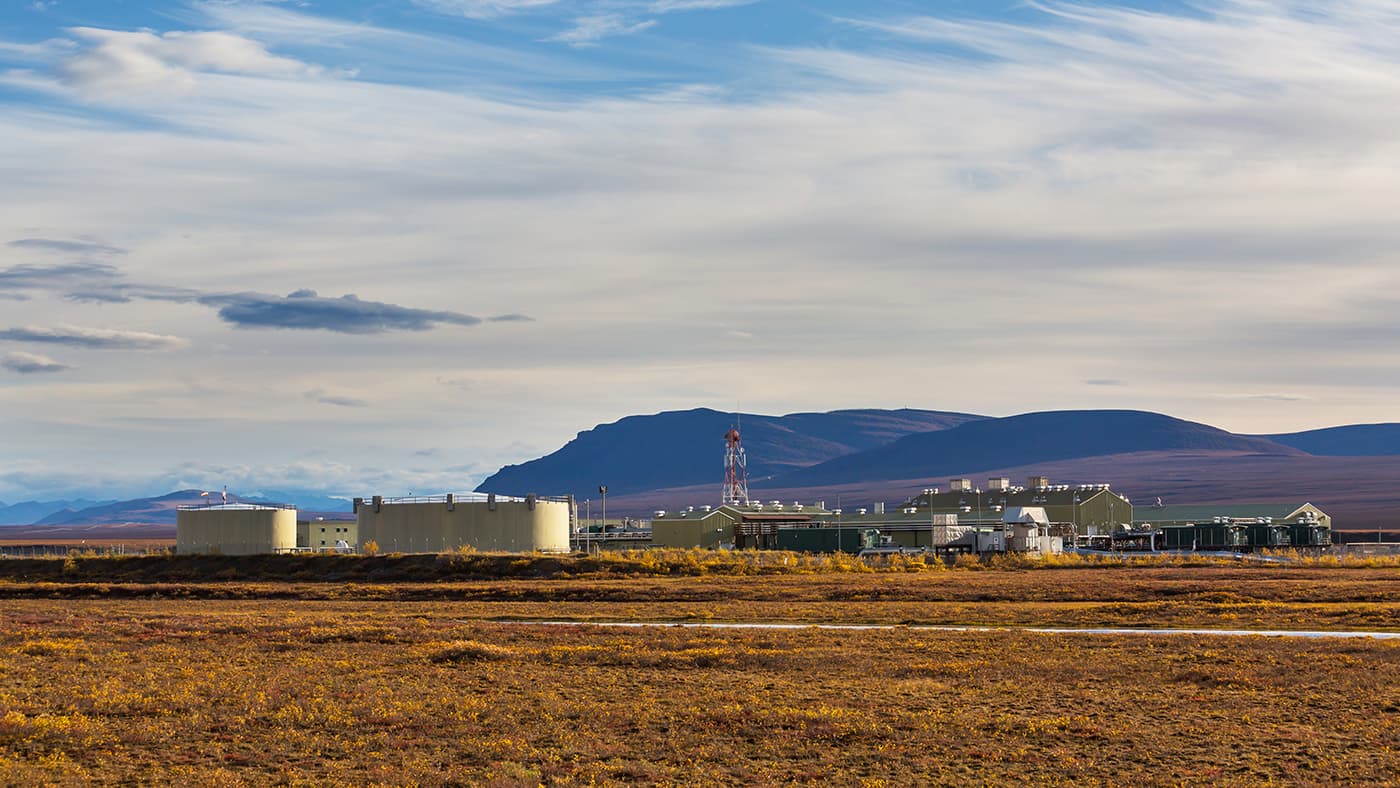
Community Winter Access Trail expands lifeline for North Slope villages
The Community Winter Access Trail links Prudhoe Bay and Deadhorse with Utqiaġvik and other North Slope villages, providing seasonal overland transport for people, freight and heavy equipment. Its managed winter operations reduce reliance on air freight, support local hauling businesses, and influence housing, construction and the cost of goods across the borough.
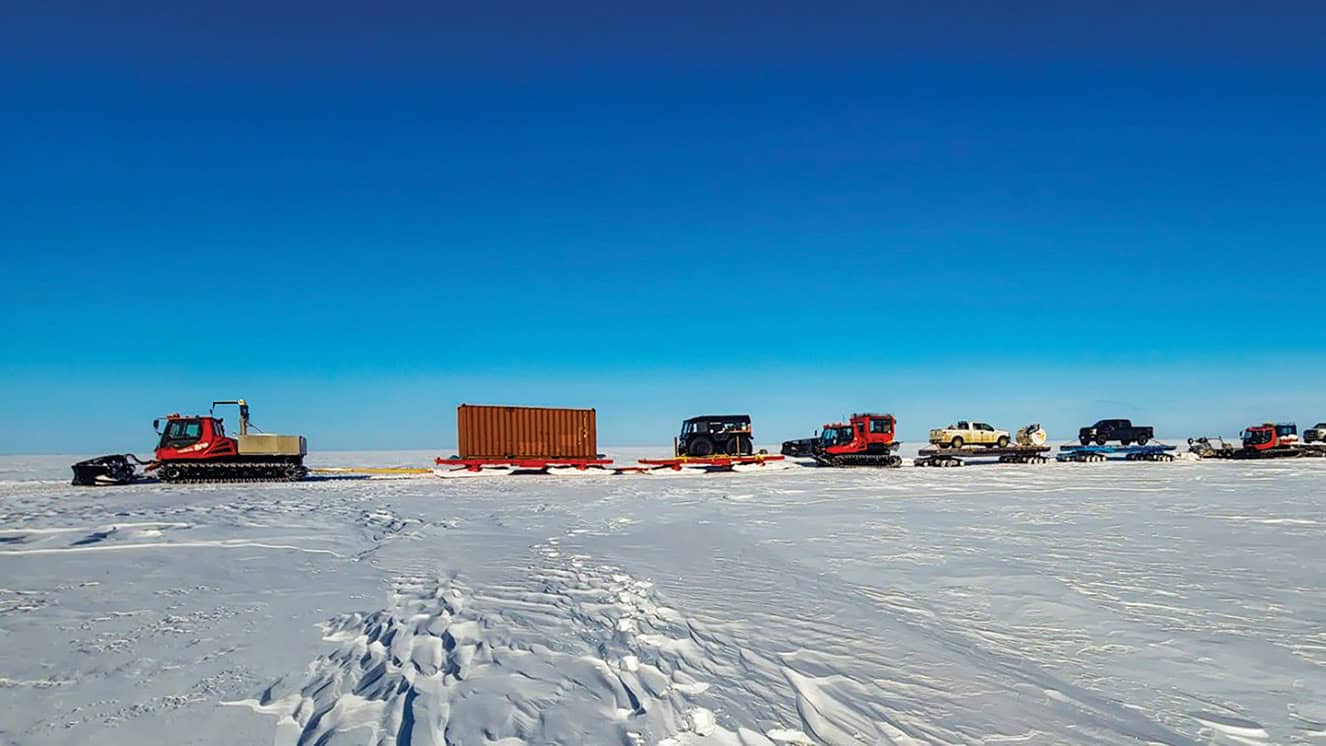
The Community Winter Access Trail is a seasonal overland route that each winter connects Prudhoe Bay and Deadhorse with Utqiaġvik, Wainwright, Atqasuk, Anaktuvuk Pass and sometimes Point Lay. Built and maintained starting in late December, the trail runs in two main branches, a northern coastal route and a southern interior route, and follows historic travel corridors across hundreds of miles of tundra. Operators prepare the line with reconnaissance and snow pre packing, then groom the route and install ramps and markers before escorted travel begins.
Escort caravans typically run from mid February through April, and trails are decommissioned at the end of the season to protect tundra and permafrost. Low ground pressure equipment, including PistenBully snowcats and tracked grooming machines, is used to minimize surface disturbance. Private vehicles travel only in escorted caravans for safety. Each caravan operates with two escort vehicles acting as lead and sweep, carrying extra fuel, communications gear and towing equipment to manage white out conditions, blizzard risk and remote breakdowns. Vehicles and drivers undergo orientation and inspections under the Safe Traveler’s and Environment Program developed by Eskimos, Inc. and North Slope Borough Planning and Community Services.
The trail has measurable economic effects across the region. North Slope Borough data show dozens of caravans and hundreds of vehicles use the trail in active seasons, allowing bulky items such as building materials, vehicles and heavy equipment to move overland rather than by air. That shift reduces air freight demand for large shipments, lowers logistical costs for some projects and expands opportunities for local freight companies including Blue Goose Hauling. For residents, seasonal overland access affects housing project timelines, local construction scheduling, and the availability and price of oversized goods.

The route operates under a formal right of way agreement through the National Petroleum Reserve Alaska and other federal and state land management frameworks. Seasonal restrictions, permitting conditions and decommissioning requirements are enforced to limit tundra disturbance and protect vegetation. Operators report using specialized techniques to reduce impacts on permafrost and to restore travel corridors after the season closes.
As winter access continues to provide a practical and culturally grounded link between villages, its year to year availability remains a factor in community resilience and planning. Reliable trail management, coordinated safety protocols and continued oversight will determine how effectively the Community Winter Access Trail supports local economies and preserves fragile Arctic landscapes.
Sources:
Know something we missed? Have a correction or additional information?
Submit a Tip