Comprehensive How to Guide Improves Freight Car Weathering Techniques
A detailed how to article compiles established, hands on techniques for weathering freight cars, covering everything from general grime to rust and faded paint. The guide matters because it brings multiple proven methods together with clear workflow advice, tools lists, and finishing steps that help modelers improve realism without guesswork.
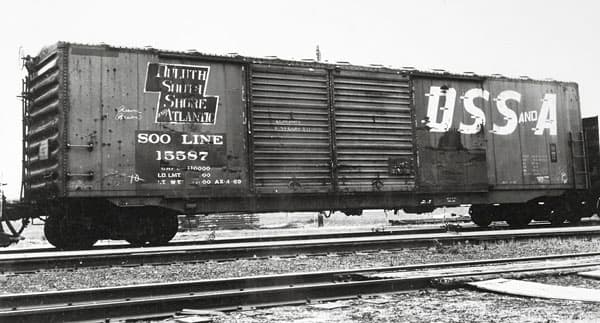
Modelers looking to add realistic wear to rolling stock now have a single practical reference that lays out proven techniques and a clear workflow. The article explains how to build a weathering sequence, what to do first, how to protect decals and markings, and how to seal and finish work for long lasting results. That structure removes much of the trial and error that can slow progress on club layouts, show models, and photographic projects.
At the core of the guide are five primary techniques. Airbrushing is presented as the foundation for general grime and fogging, allowing even tonal shifts across large surfaces. Artists oils are recommended for washes and vertical streaking where slow drying time helps blending and realistic runoff. Powdered pastels provide quick surface dust and dirt effects that can be fixed with a light spray of fixative. Dry brushing brings out raised details on trucks and ladders, while masking techniques let you create sharp rust patches or convincingly faded paint without damaging underlying reporting marks.
The piece also lists the tools and materials readers will need. Airbrushes and compressor setups are covered for general coverage and subtle layering. Brushes of various sizes are advised for oils and dry brushing. Powders and powders set with fixatives are described alongside acrylics for base colors and touch ups. Practical notes explain how to protect road numbers and logos during weathering by masking or sealing, then apply washes selectively to avoid obscuring important identity markings.

Workflow guidance emphasizes doing broad, light passes first, then building localized detail and streaking, and finishing with a protective clear coat. The approach is accessible to all skill levels because each method is shown in a step by step fashion, with tips on when to combine techniques and when to stop so effects read as believable rather than overdone.
For hands on demonstrations and example photos, consult the online how to article and video examples at https://stage.trains.com/mrr/how-to/expert-tips/techniques-for-freight-car-weathering/. Verify materials and ventilation needs before you begin, and plan weathering to match the environment of your layout for the best results.