Comprehensive Sandoval County parks and trails resource for residents
A comprehensive guide maps Sandoval County parks, trails and pond sites and explains access, permits and fire-safety rules.
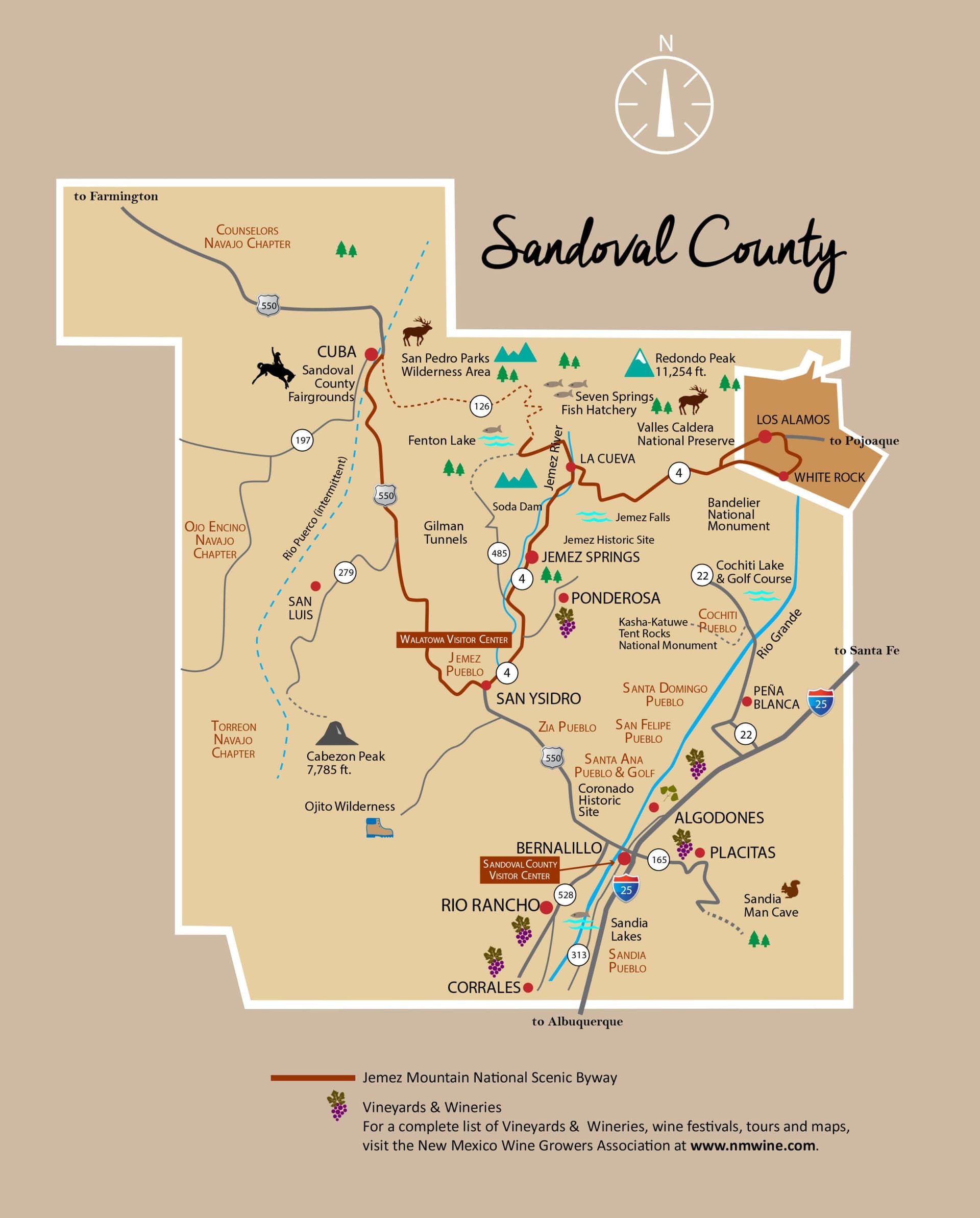
Sandoval County residents now have a single, practical resource compiling local outdoor and recreation assets across the county, from city parks in Rio Rancho and Bernalillo to the open‑space areas and fishing sites in Corrales. The guide assembles essential on-the-ground details residents need to plan visits, volunteer, and participate in stewardship.
At the top of the guide are neighborhood focal points: municipal and county parks in Rio Rancho and Bernalillo, Corrales open-space arroyos and fishing spots, and named pond sites such as Liam Knight Pond in Corrales. For each site the guide flags parking and ADA access, whether dogs are permitted, and basic trail lengths and difficulty ratings for major trailheads. That combination of practical data and site-by-site accessibility information is intended to make trails and parks usable for families, older residents and people with disabilities.
Operationally the guide explains the patchwork of responsibility that governs outdoor spaces in the county. City and county agencies each maintain different parks, issue permits and manage volunteer programs. The guide lists official contact points for maintenance requests, permits and volunteer coordination so residents can report problems, seek event permits or sign up for stewardship opportunities. It also includes links to burn and fire-safety guidance relevant to Sandoval County conditions, underscoring seasonal restrictions and safe practices for campfires, brush disposal and trail-based recreation.
The institutional implications are straightforward: access to green space depends on upkeep, funding and intergovernmental coordination. Trail condition, parking availability and ADA compliance reflect budget priorities at the municipal and county level. Volunteer programs can fill gaps, but they are not a substitute for stable funding and transparent maintenance plans. Residents who use these parks are stakeholders in those policy choices; the guide makes it easier to register complaints, request improvements and join volunteer efforts.
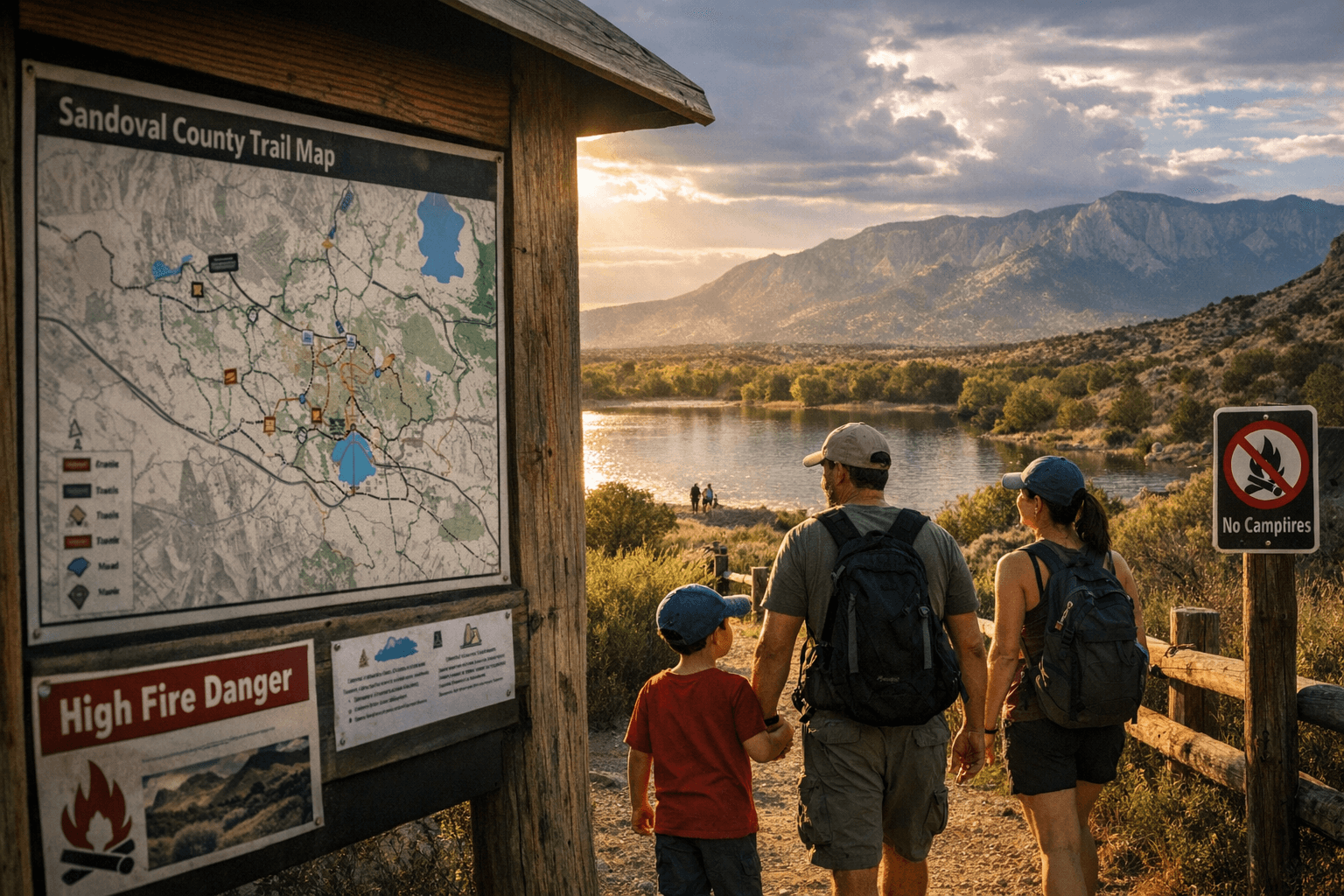
Public safety and wildfire risk are recurring themes. The guide’s emphasis on burn and fire-safety links responds to increasingly dry seasons and the need for consistent messaging across jurisdictions. Clear signage, consistent permit rules and coordinated enforcement between municipalities and the county are practical steps that reduce risk and improve visitor experience.
The guide also matters politically. Parks and recreation budgets, bond measures and capital projects are decided by elected officials and affect trail upkeep and access equity. Civic engagement at county commission and city council meetings shapes those outcomes. Reviewing this guide, residents can more easily identify where to press for improved ADA access, trail maintenance or better parking management.
The takeaway? Use the guide as your map and your megaphone: check listed contacts for updates, follow fire-safety rules, volunteer where you can, and bring park needs to your local officials so funding and maintenance match the community’s expectations.
Sources:
Know something we missed? Have a correction or additional information?
Submit a Tip