Congress Weighs Requiring Military Helicopters to Broadcast Safety Alerts
Lawmakers added a provision to the annual defense policy bill requiring U.S. military helicopters near Reagan Washington National Airport to broadcast safety alerts, a move aimed at preventing collisions with commercial aircraft. The change follows a deadly January midair collision near the capital and would force Pentagon reporting on past near miss incidents while allowing waivers after a risk assessment.
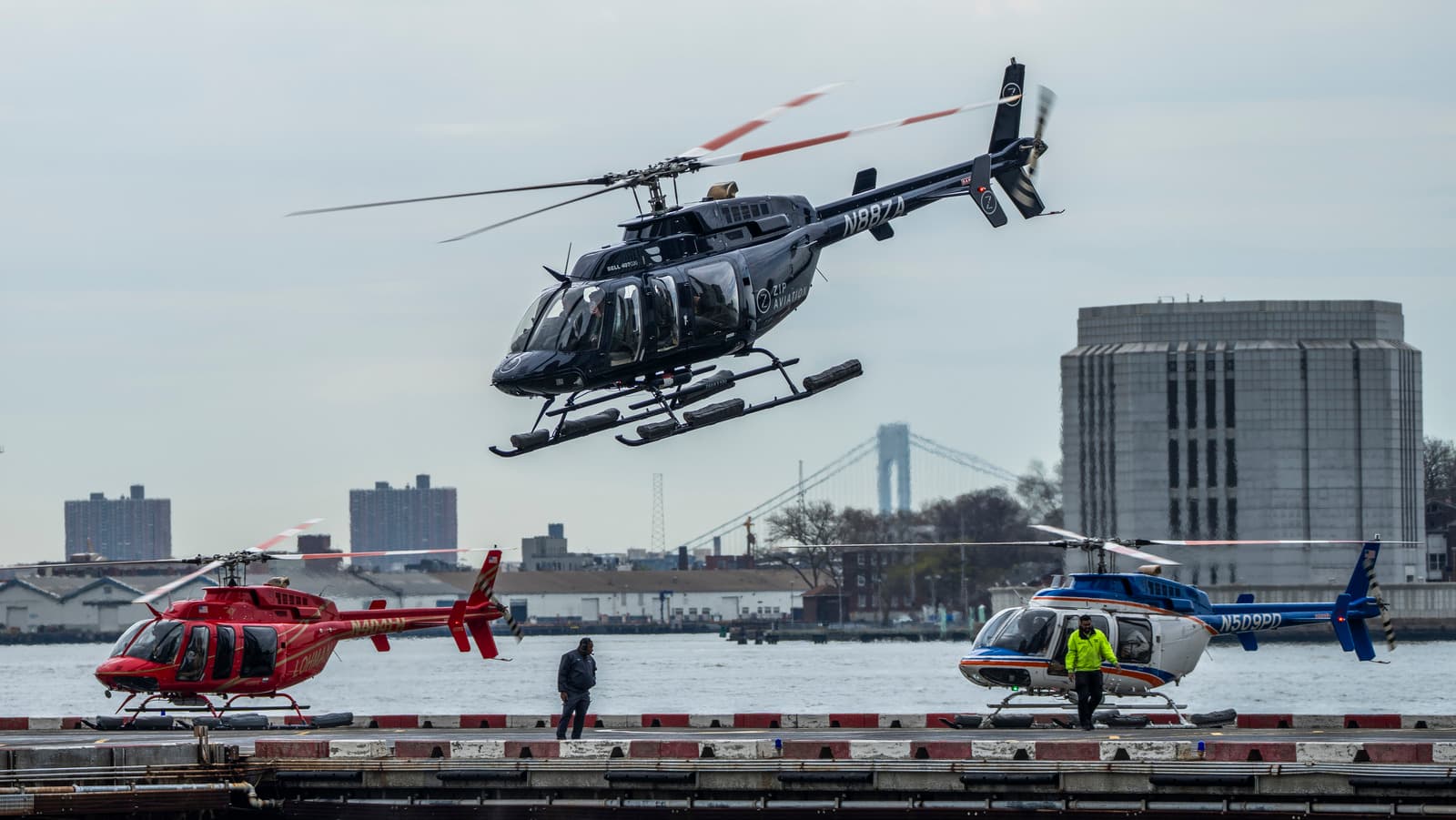
Lawmakers moved on December 7 and 8 to insert a new aviation safety measure into the annual defense policy bill that would require U.S. military helicopters operating near Reagan Washington National Airport to transmit safety alerts such as Automatic Dependent Surveillance Broadcast, or ADS B, or an equivalent system. The measure responds to heightened public concern after a January midair collision between an Army Black Hawk and a commercial regional jet near Washington that killed dozens.
The provision directs the Defense Department to compile and report past near miss incidents between military helicopters and civilian aircraft and to conduct a study into installing ADS B on military helicopters. Congress also wrote in a waiver mechanism that would permit the department to exempt particular operations after completing and documenting a risk assessment. The debate centers on reconciling air safety for civilian traffic with military operational requirements and security considerations.
The airport at the center of the proposal sits under constrained flight corridors used heavily by commercial traffic and by military aircraft supporting the capital region. Safety advocates, aviation regulators and lawmakers say mandatory safety broadcasts could reduce the risk of a repeat catastrophe by improving situational awareness for air traffic controllers and pilots in busy airspace. Military officials have previously cited concerns about emissions, electronic signature security and the cost and complexity of retrofitting older rotorcraft with new avionics.
The reporting and study requirements are meant to increase transparency and to give Congress better information to weigh those tradeoffs. Requiring the Pentagon to produce a detailed account of prior near miss incidents would elevate oversight of military flight operations in congested airspace and potentially guide future FAA and Defense Department coordination on airspace management. The study into retrofitting helicopters is designed to establish technical feasibility, timelines and cost estimates that lawmakers can use when considering further mandates or funding.
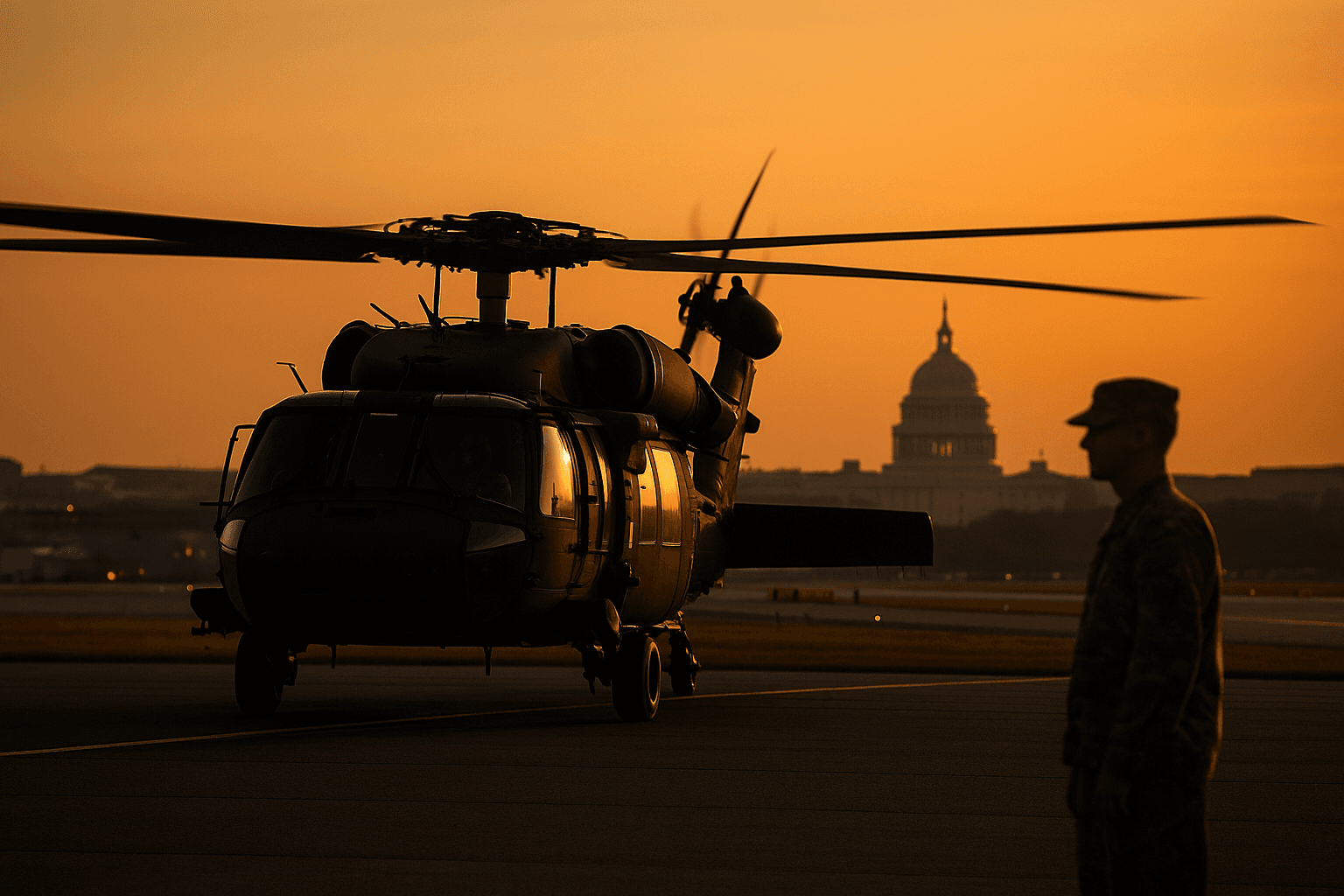
The inclusion of the provision in the defense policy bill, legislation that typically attracts bipartisan support, signals broad congressional interest in tightening safety standards around the capital. How the provision fares as the bill moves through committee and floor consideration will test that consensus, especially as members weigh national security exemptions and the practical realities of modifying military fleets.
If enacted, the rule could affect training, maintenance and procurement decisions at the Defense Department. Retrofitting or integrating ADS B capabilities would require funding, engineering work and updates to air traffic procedures. The waiver clause gives the Pentagon a path to preserve mission flexibility, but it also puts a premium on the quality and independence of the risk assessments that justify exemptions.
The measure arrives amid sustained public scrutiny of aviation safety near national landmarks and infrastructure. By mandating reporting and studies, Congress is seeking to translate political pressure into institutional accountability, while leaving room for military judgment where operational needs or security risks are found to outweigh the benefits of continuous broadcast signals. The coming months will determine whether the balance struck in the bill becomes law and how quickly operational changes reach aircraft over the skies of the capital.