Congress Withholds Pentagon Travel Funds, Seeks Unedited Boat Strike Videos
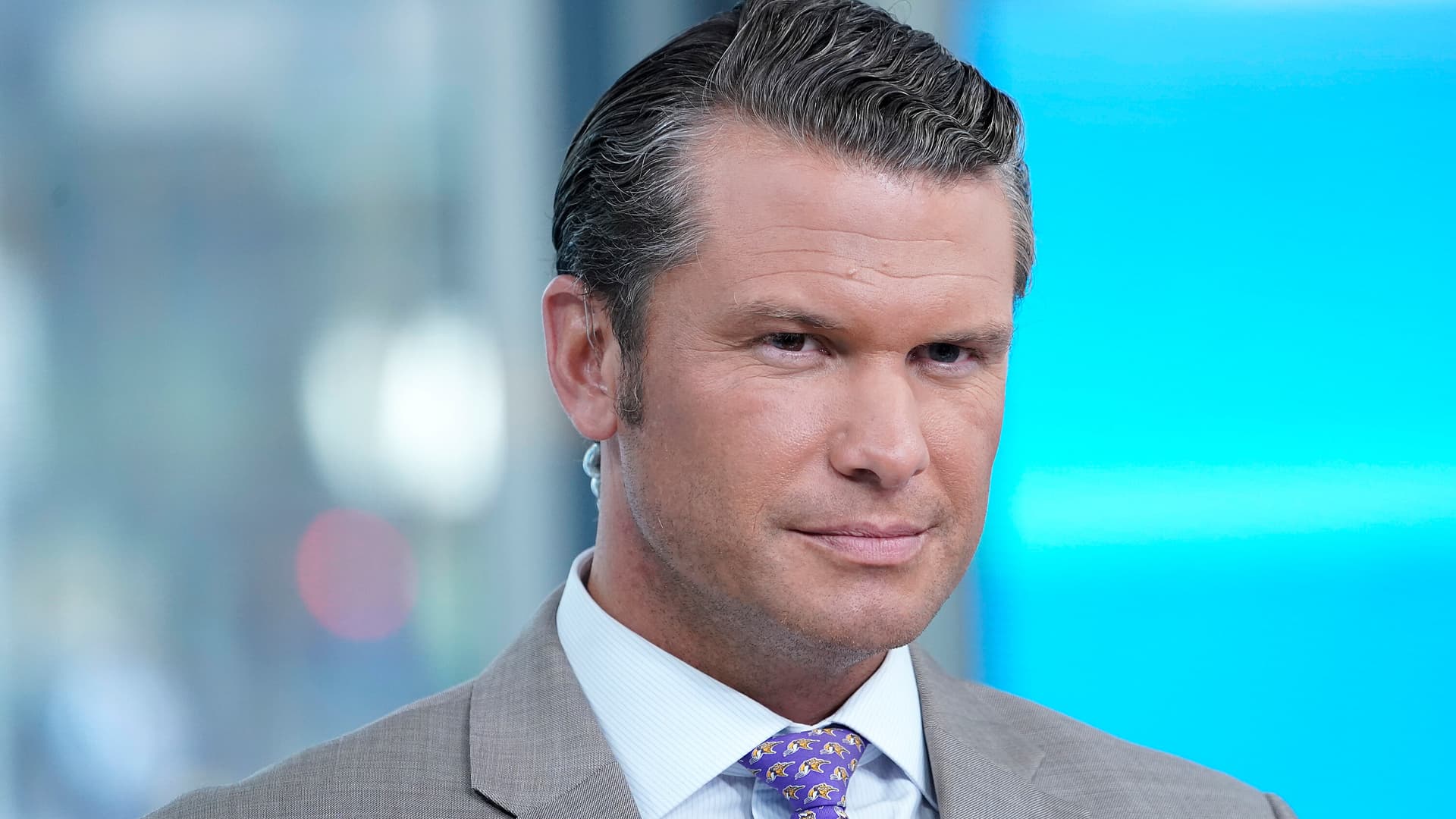
Lawmakers inserted a provision in the annual defense bill that would block roughly a quarter of Defense Secretary Pete Hegseth's travel funds until unedited footage of U.S. strikes on suspected drug smuggling boats is provided to the House and Senate Armed Services Committees. The move elevates oversight of a September operation that included a disputed follow up strike, and ties broader accountability requirements to overdue Pentagon reports including lessons learned on Ukraine.

Congress moved on December 8 to use the National Defense Authorization Act as leverage to extract unedited military footage and overdue reports from the Pentagon, inserting language that would withhold about a quarter of Defense Secretary Pete Hegseth's travel funds until the House and Senate Armed Services Committees receive full access to unedited videos of U.S. strikes on suspected drug smuggling vessels in Latin America. The provision also conditions restoration of the full travel budget on the delivery of overdue Pentagon documents, including an after action review of lessons learned from the Ukraine conflict.
The provision responds to scrutiny of a September 2 operation in which an initial strike on a suspected smuggling craft was followed by a second strike that reportedly killed survivors. Legal experts have told reporters that the follow up action could raise concerns under the laws of armed conflict and potentially trigger war crimes inquiries. Defense officials have privately shown the footage to senior committee leaders, but the department has resisted broad distribution, citing safety and operational security concerns. President Trump has indicated he would be willing to release the footage.
By channeling oversight through the NDAA, lawmakers are employing one of Congress's most potent tools, appropriations, to press the executive branch for transparency. The approach reflects intensified congressional impatience with the pace and scope of Pentagon reporting on sensitive operations, and signals that access to classified materials will be a bargaining chip in the larger debate over defense policy and spending this year.
The choice to target the travel budget of the secretary of defense is notable for its symbolic and practical effects. Travel funding enables high level diplomacy, on the ground visits to allied partners, and direct engagement with operational commanders. Restricting those funds could constrain the department's ability to conduct routine oversight and international cooperation, even as lawmakers assert their prerogative to supervise potentially unlawful conduct.
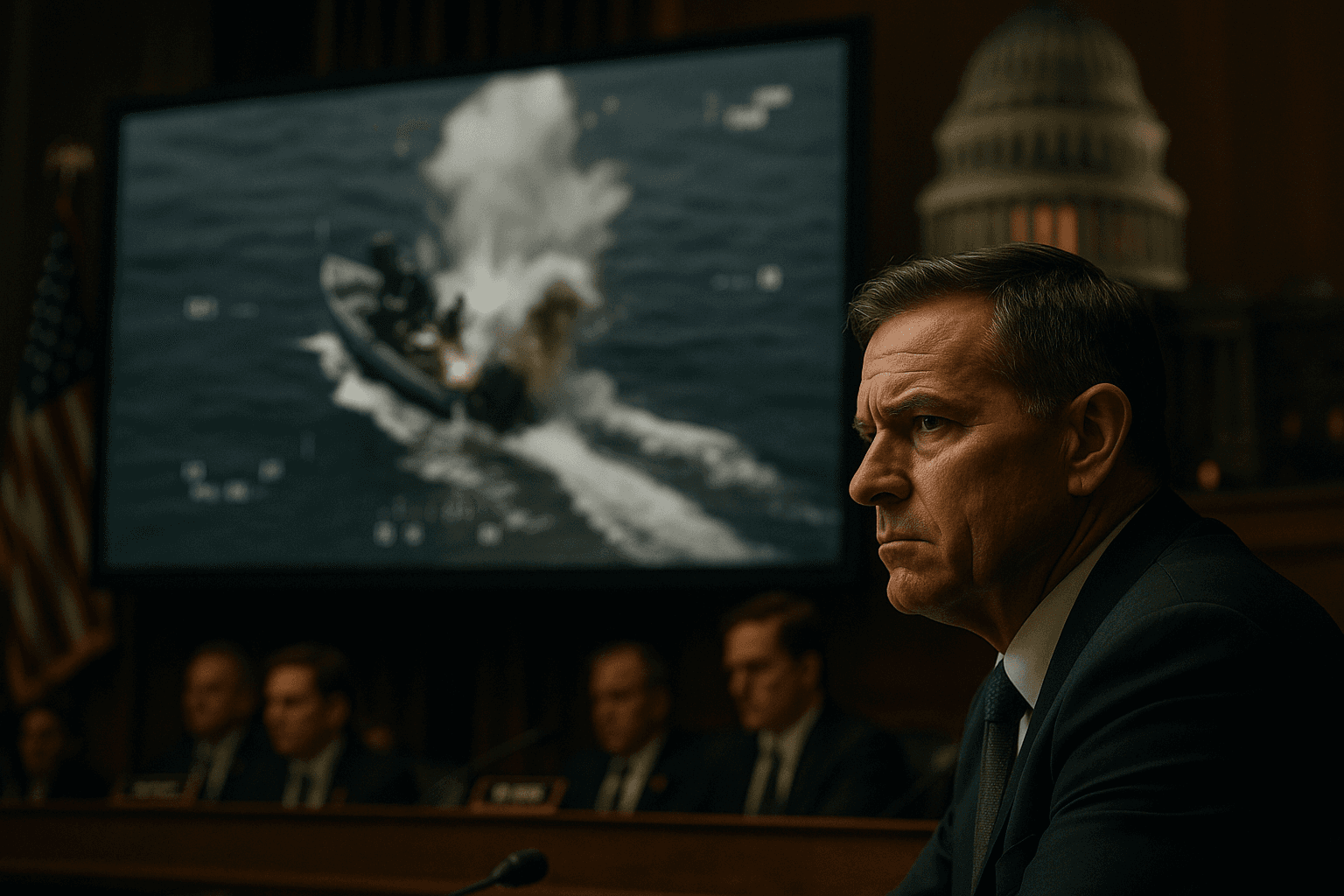
Pentagon officials argue that broad release of raw operational footage risks exposing tactics, sources, and partners, and that controlled review by committee leadership is an established oversight practice. Lawmakers pushing for wider access counter that only unedited material can establish an accurate record and permit meaningful congressional review of rules of engagement, accountability mechanisms, and compliance with international law.
The provision will now enter negotiations as part of the larger NDAA reconciliation between House and Senate drafts and must survive conference to become law. How much further lawmakers will press for public disclosure or formal investigations depends in part on what the committees see in the unedited material and on the administration's willingness to accommodate broader release.
The standoff highlights enduring tensions between transparency and operational security, and raises questions about institutional oversight in an era when lethal force and public accountability intersect. Congress's use of appropriations to compel access underscores its role as a check on military conduct, while also testing the boundaries of executive discretion in handling classified military operations.