Continental Divide Trail Access Boosts Lordsburg Economy and Services
The southern approach to the Continental Divide Trail near Lordsburg draws intermittent hiker traffic that supports local resupply, lodging and shuttle businesses. Because the Crazy Cook Monument and Big Hatchet Mountains are remote and require careful logistics, coordination between local authorities, service providers and the CDT Coalition matters for safety, access and long-term economic opportunity.
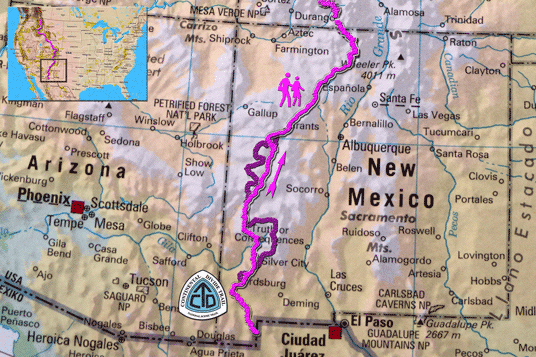
The Continental Divide Trail’s southern access point in the New Mexico Bootheel — near the Crazy Cook Monument and the Big Hatchet Mountains — positions Lordsburg as the nearest conventional-service gateway for hikers preparing to enter long, remote desert sections. Lordsburg supplies resupply, lodging and transport services that many southern CDT users rely on, while the CDT Coalition provides planning resources, shuttle information and trail alerts to support those logistics.
Crazy Cook is remote and requires high-clearance vehicles and careful planning. Services are limited on the approaches, and hikers frequently need to cache water before entering the backcountry. Shuttles operate from Lordsburg during peak seasons to move hikers to and from trailheads, and Lordsburg often represents the last significant destination for food, fuel and repairs before lengthy stretches without services. Some southern approaches have special access rules, and hikers and visitors are advised to check trail alerts and permits before traveling.
For Hidalgo County, the practical intersection of outdoor recreation and local commerce is tangible even when traffic is intermittent. Resupply purchases, one-night lodging stays and shuttle fees provide revenue to small businesses that can be sensitive to seasonal changes. Shuttle and supply operators effectively extend the county’s transportation and hospitality network into remote public lands, while also bearing operational costs tied to vehicle requirements, maintenance and liability. The presence of a federally recognized trail terminus nearby enhances Lordsburg’s visibility to a niche but geographically dispersed market of long-distance hikers.
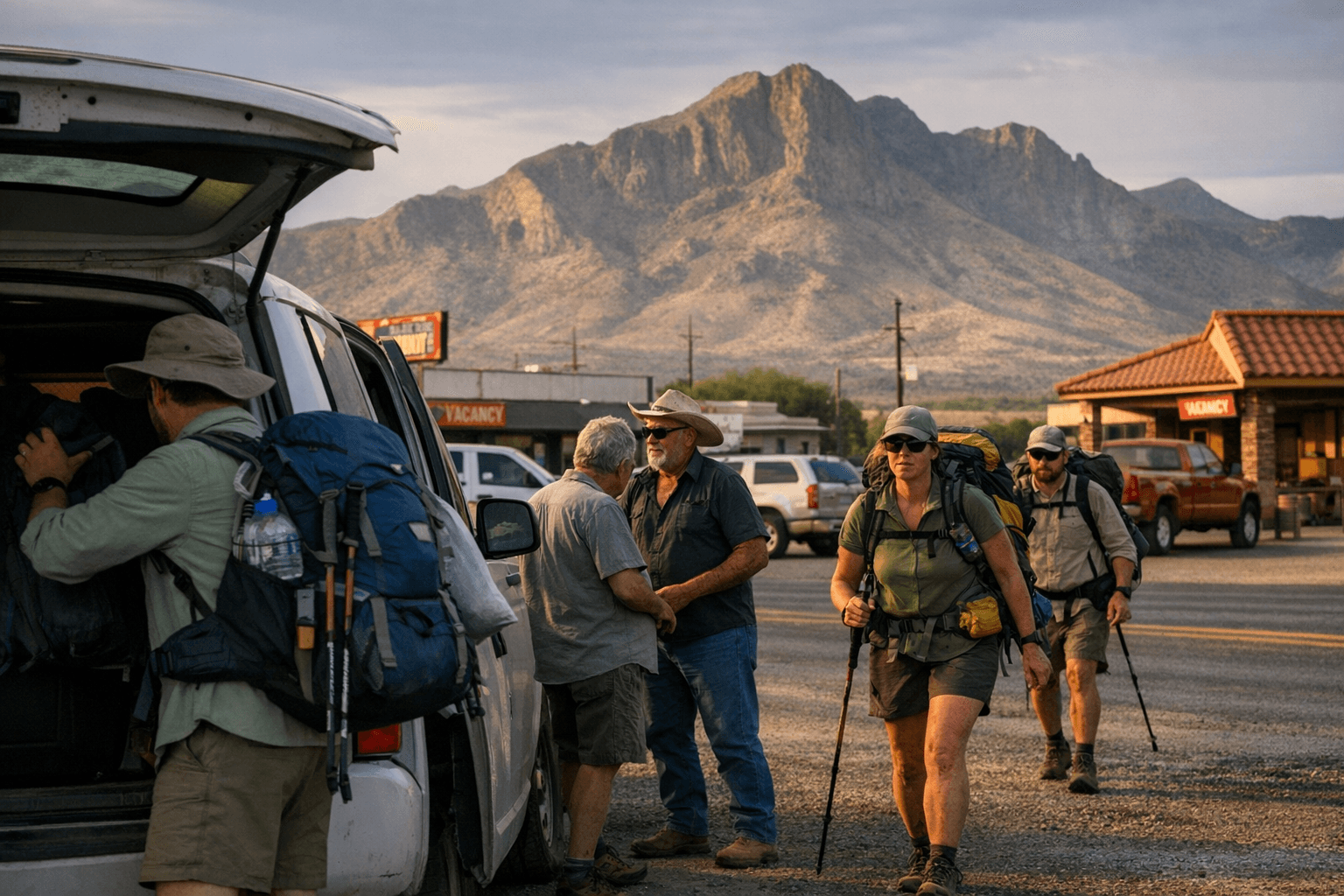
Policy considerations for county leaders and service providers include aligning local permitting and signage with trail-access rules, improving coordination with the CDT Coalition for timely alerts, and assessing whether basic infrastructure investments are warranted. Practical investments might include designated shuttle parking, clear wayfinding to meet-and-greet points, restroom facilities near staging areas and emergency-response protocols tailored to remote rescues. Any expansion of services should weigh both the economic upside and environmental constraints such as water scarcity and trail degradation.
Long-term trends suggest modest potential for steady visitation tied to growth in long-distance hiking and interest in remote routes. That trend implies the need for sustainable planning: balancing economic gains for local businesses with conservation, public-safety capacity and the costs of maintaining access roads that require high-clearance vehicles. For residents and visitors, the immediate takeaway is straightforward: Lordsburg functions as a crucial logistics hub for southern CDT travel, and checking trail alerts, access rules and vehicle requirements remains essential before heading into the Bootheel backcountry.
Sources:
Know something we missed? Have a correction or additional information?
Submit a Tip