Contractor Safety Breaches Tied to Deadly Hong Kong Flat Fire
Reporting by Reuters found that a devastating fire that killed many residents followed a history of safety breaches by the contractor involved in recent renovation work, raising urgent questions about oversight and liability. The revelations matter because they expose gaps in enforcement and decision making that directly affect building safety in a densely populated city.
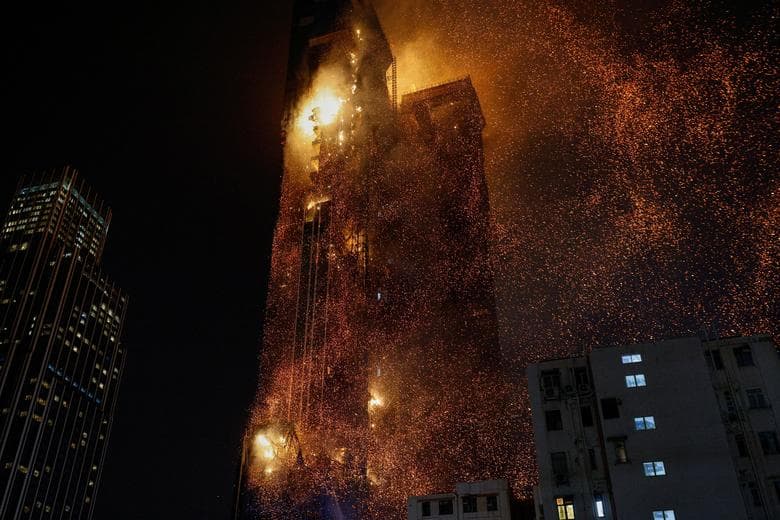
Documents and agency records reviewed by Reuters showed that the contractor responsible for renovation work at a Hong Kong housing complex had been penalized repeatedly over the previous seven years for safety violations, including improperly installed scaffolding and faulty electrical connections. The violations occurred amid a pattern of enforcement actions that did not lead to the firm being barred from further work at the site where the December 6 fire took place.
The blaze, one of Hong Kong’s deadliest recent fires, killed many residents and prompted authorities to order official inquiries. Resident accounts and homeowner association minutes examined by Reuters suggest that warnings about the contractor’s workmanship had been raised before the renovation was completed. Despite these concerns, the homeowner association did not revoke the contract after receiving legal advice that doing so could expose it to liability.
The sequence of events outlined in the records and meeting notes highlights competing priorities that shaped local decision making. Homeowner associations manage many older estates in Hong Kong and often rely on advice from legal counsel and estate management firms when disputes arise. In this case the legal counsel’s assessment apparently influenced the association to maintain the contract while seeking to limit its own exposure to legal claims.
The contractor’s long record of penalties included citations for unsafe scaffolding and defective electrical work, both of which are central to fire and collapse risk. Safety experts say improperly erected scaffolding can obstruct emergency access while insecure electrical installations can spark conflagrations in crowded apartment blocks. The Reuters review did not establish a direct causal link between specific past violations by the contractor and the exact ignition source of the fatal blaze, but the pattern of cited breaches and contemporaneous complaints has heightened scrutiny of construction oversight in the city.

Hong Kong’s densely built environment concentrates risks, and the tragedy has intensified debate about the effectiveness of existing regulatory frameworks. Critics say enforcement has often relied on reactive inspections and fines rather than preventive licensing and systematic follow up. Proponents of the current system argue that legal and administrative constraints limit the ability of associations and regulators to remove contractors without exposing themselves to costly litigation.
Officials have ordered inquiries to examine the immediate circumstances of the fire and the broader regulatory context that permitted the contractor to continue working despite prior penalties. Those probes will likely review contractor licensing, compliance histories, auditing by building management, and the role of legal advice in procurement decisions.
For residents and policymakers the case underscores a stark reality: in high density cities the consequences of regulatory failure can be deadly. The inquiries will be watched closely as Hong Kong confronts questions about accountability, enforcement and how to prevent similar losses in the future.