County Council Member Ryan Craig Enters Mayoral Race via Caucus
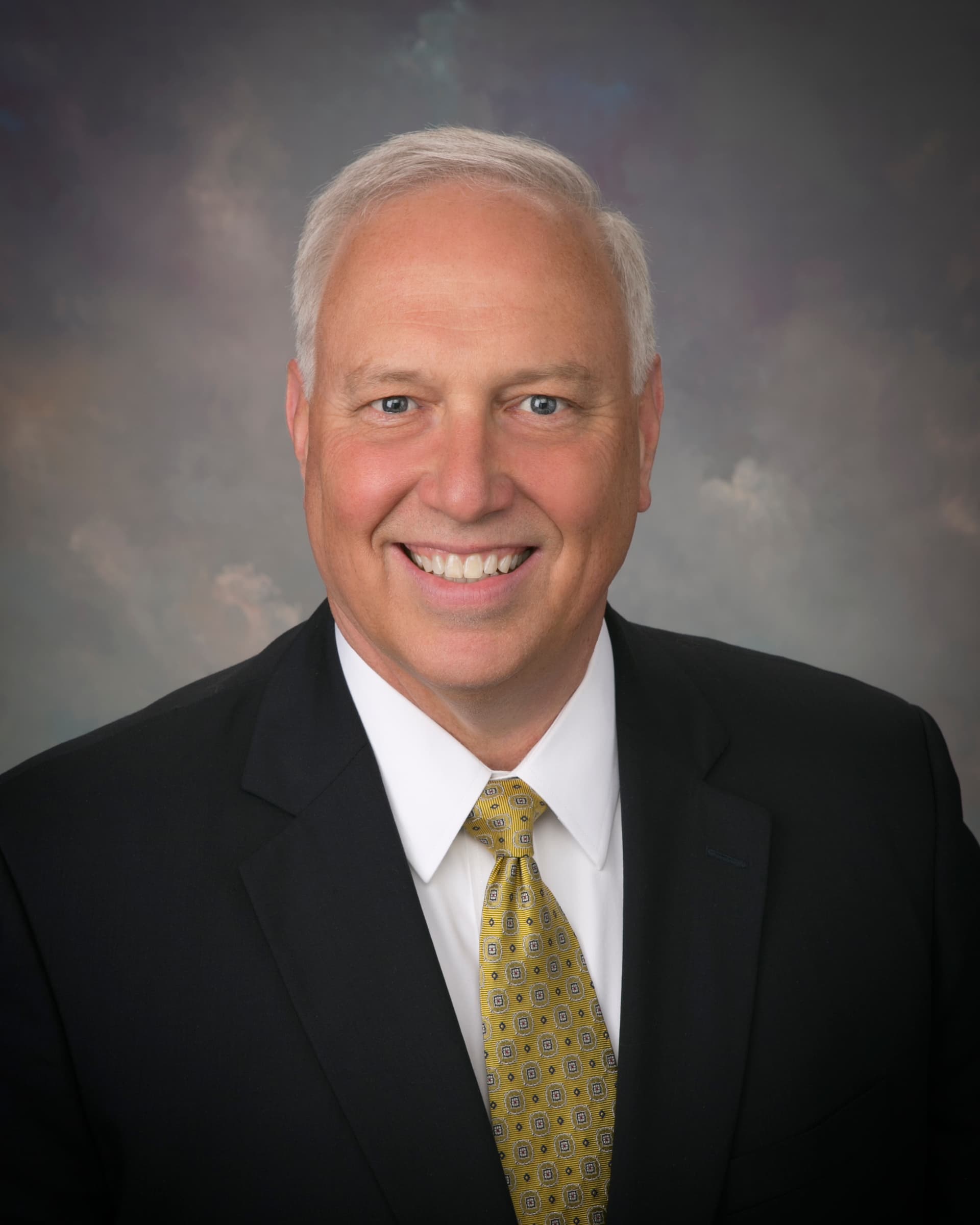
Following Mayor Vonderheide’s announcement on January 5, 2026, Dubois County Council member and local business owner Ryan Craig declared his intention to seek the mayoralty through the upcoming Republican caucus process. Craig framed his campaign around local government experience and a promise of increased cooperation between city and county leaders, priorities that could shape budgeting, services, and public access to city hall.
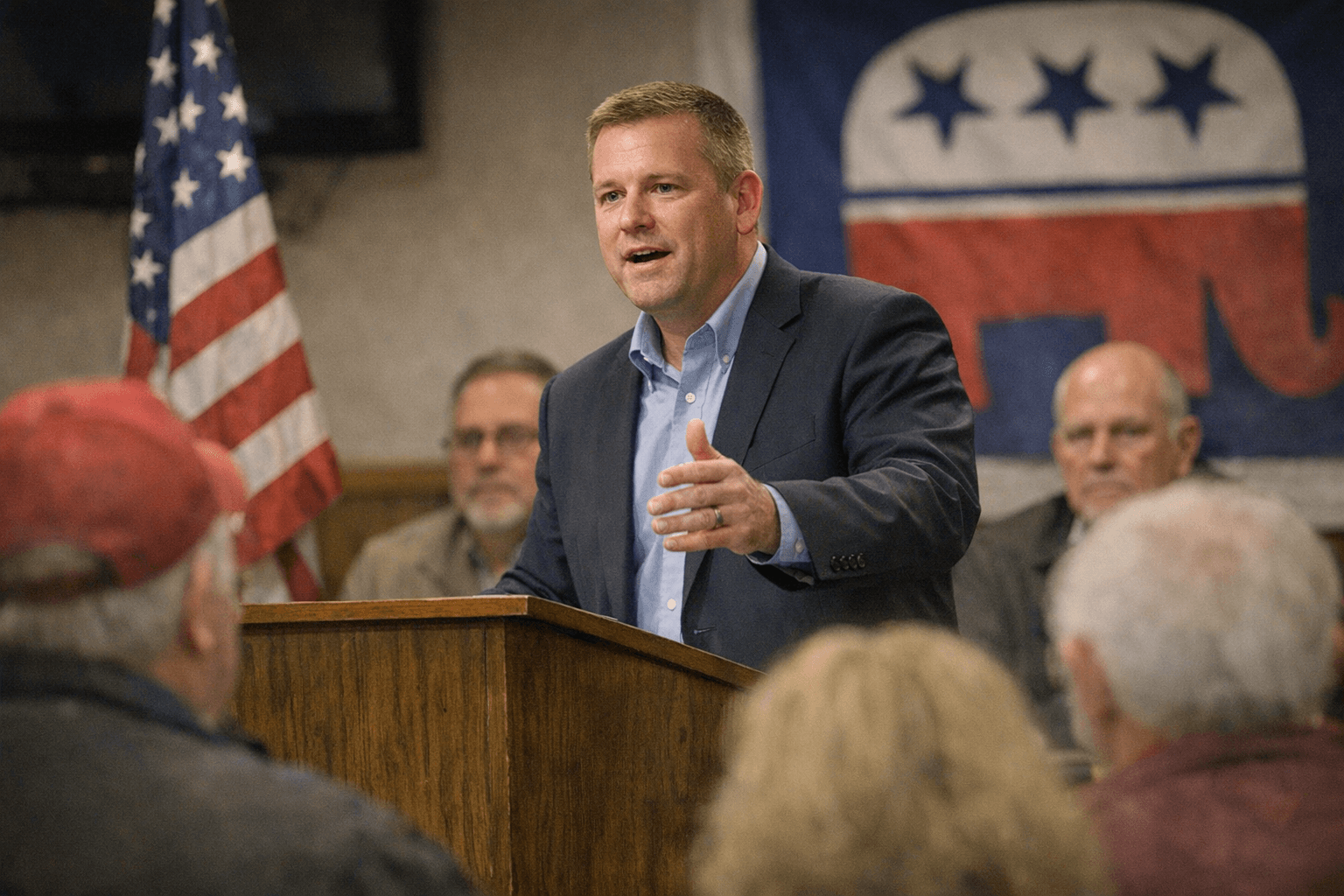
On January 5, 2026, Ryan Craig, a member of the Dubois County Council and a local business owner, publicly announced his intention to seek the office of mayor through the Republican caucus process. Craig presented his candidacy as rooted in hands-on experience in local government and emphasized collaboration between city and county officials as central to his platform.
Craig identified cooperation, fiscal responsibility, transparency, and accessibility of city government as his primary priorities. His dual role as an elected county official and local entrepreneur positions him to argue for policies intended to streamline intergovernmental coordination and address the fiscal pressures that affect municipal budgets and services. Those themes will be closely watched by residents concerned about property taxes, public infrastructure, and the responsiveness of city government to community needs.
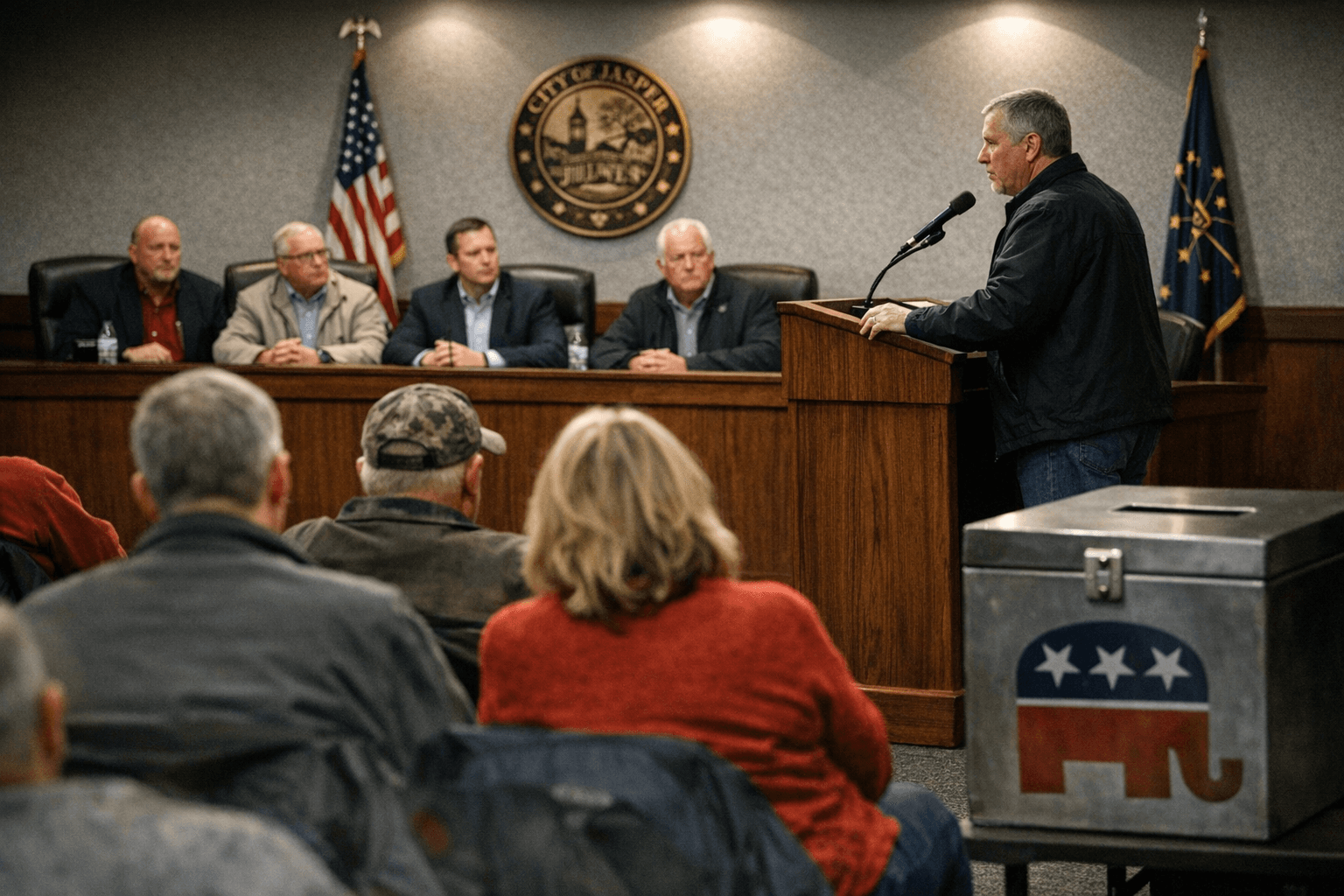
The decision to pursue the nomination via the party caucus sets the stage for internal Republican deliberations that will determine who appears on the ballot in the next general mayoral election. For local residents, the caucus route means party members and precinct delegates will play a key role in selecting the city’s next executive, and civic participation within the party will shape the choice. How candidates articulate plans for budgeting, development, and service delivery during the caucus period may influence broader civic debate ahead of any general election contest.
Craig’s emphasis on transparency and accessibility signals a campaign focus on opening lines of communication between city hall and residents. If adopted, measures under such a platform could include more regular public briefings, clearer online access to municipal documents, or expanded opportunities for public input on planning and spending decisions. Fiscal responsibility, as framed by Craig, will likely involve scrutiny of city expenditures and a push to align city and county financial planning where feasible.
For business owners and employees, Craig’s background in commerce may offer a perspective on local economic development and regulatory issues. For taxpayers and service users, his county experience may translate into a pragmatic approach to intergovernmental cooperation that affects road maintenance, public safety coordination, and other cross-jurisdictional services.
The immediate next step is the Republican caucus process that will determine the party’s nominee. As the campaign unfolds, residents can expect debates over the specifics of Craig’s proposals and how they would be implemented in partnership with county officials. Those outcomes will shape the direction of local governance and fiscal priorities in the years to come.
Sources:
Know something we missed? Have a correction or additional information?
Submit a Tip