County Hosts Virtual Meeting on HOA, Condo and Co-op Oversight
The Prince George's County Office of Community Relations will partner with the Commission on Common Ownership Communities to hold a virtual meeting on Wednesday, January 28, 2026, focused on homeowners association, condominium and co-op matters, legislation, and community resources. The session, part of the commission’s regular monthly schedule, offers residents and association leaders a direct channel to county oversight and information; registration is required through the county news page.
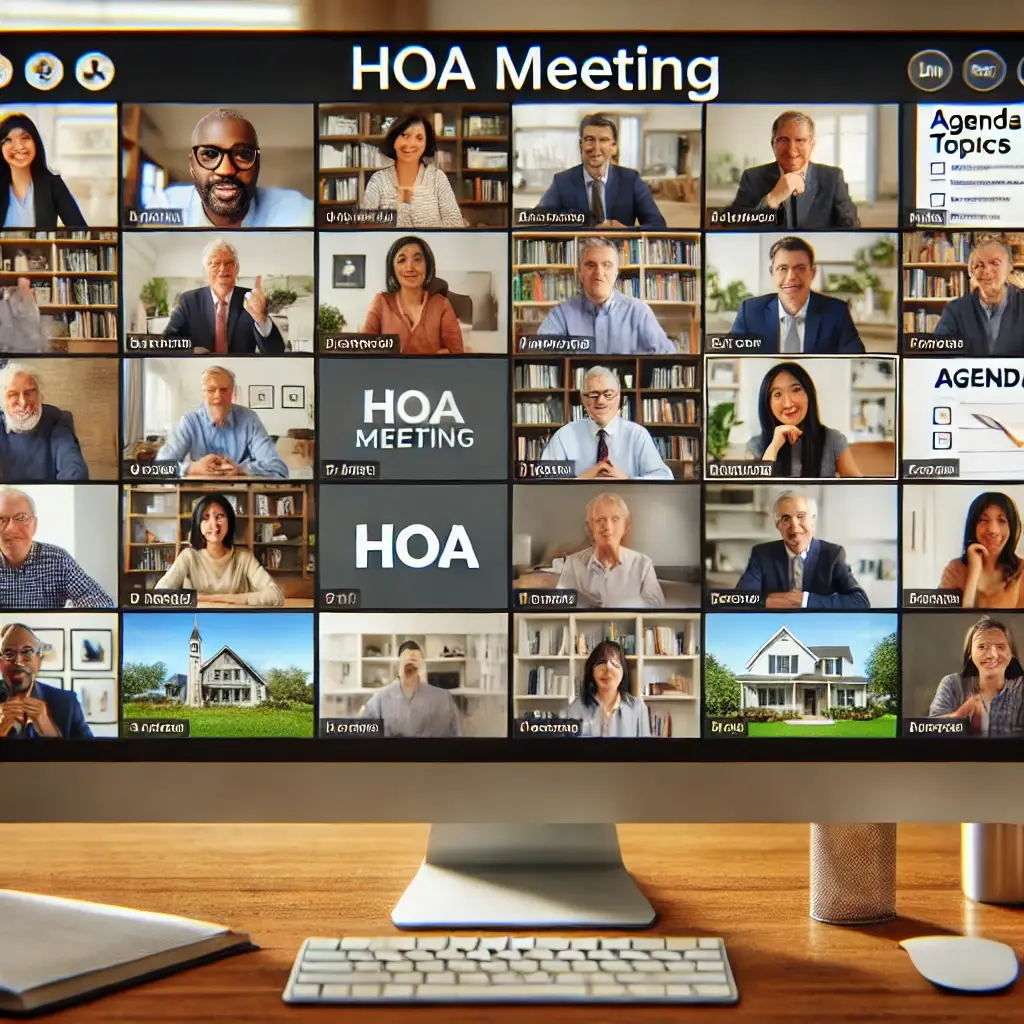
Prince George’s County officials announced that the Office of Community Relations (OCR) will work with the Commission on Common Ownership Communities (CCOC) to host the CCOC January monthly meeting virtually on Wednesday, January 28, 2026. The meeting will address issues facing homeowners associations, cooperatives, and condominium associations, review pending legislative matters, and highlight community resources available to association leaders and residents.
The session is part of the commission’s regular monthly schedule and is intended to provide ongoing oversight and resources for common ownership communities across the county. Registration is required for the virtual meeting; the county’s news page includes the registration details. By holding the meeting online, organizers aim to broaden access for board members, homeowners, property managers, and other stakeholders who may be affected by association governance and county policies.
For residents of Prince George’s County who live in HOAs, co-ops, or condominiums, the meeting presents opportunities to monitor how local institutions address recurring issues such as governance practices, budgetary oversight, dispute resolution, and compliance with evolving legislation. While the agenda will include discussion of legislation, the broader public-policy implications are significant: monthly oversight sessions can shape how associations interpret state and county rules, respond to financial pressures like assessments and reserve funding, and administer community elections and enforcement mechanisms.
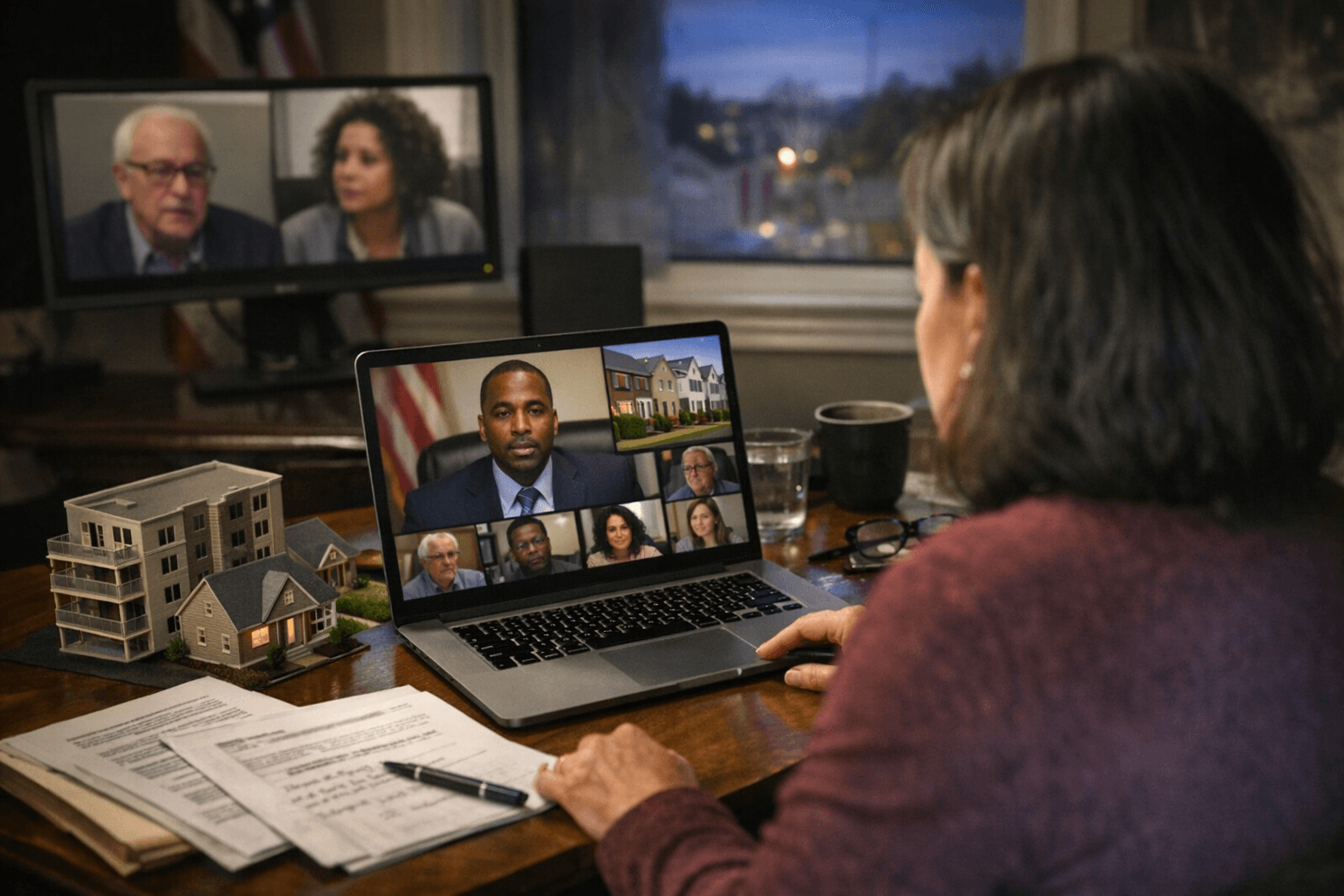
Institutionally, the partnership between OCR and the CCOC underscores the county’s role in offering technical support and a forum for accountability. Regular meetings allow the commission to collect community feedback, coordinate resources, and flag policy gaps that may warrant attention from county leadership or state legislators. For association board members, attendance can provide actionable information on county services and compliance expectations; for residents, it is an avenue to raise concerns and seek clarification on association conduct.
Civic engagement at these meetings matters because association governance affects everyday life in common ownership communities—from maintenance and safety to fee structures and dispute outcomes. Residents and board members who want to participate should register through the county news page ahead of the January 28 meeting to ensure access to the virtual session and any materials the commission distributes.
Sources:
Know something we missed? Have a correction or additional information?
Submit a Tip