Countywide School Initiative Expands Daily Physical Activity For Students
The McDowell CHOICES Project has implemented a comprehensive school physical activity framework across McDowell County schools, expanding after school programs, family engagement nights, and training for local activity leaders. The program, led by West Virginia University and funded through the US Department of Agriculture National Institute of Food and Agriculture and partner grants, aims to increase daily activity for thousands of prekindergarten through 12th grade students and strengthen school community partnerships.
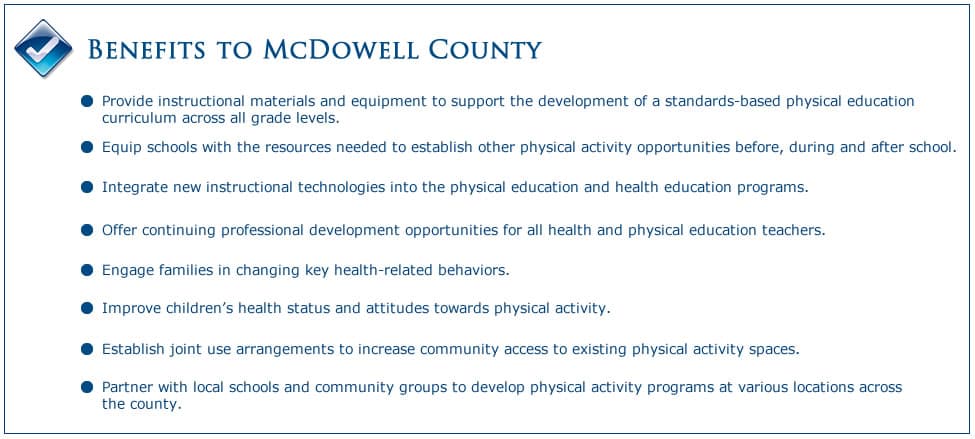
McDowell County schools are seeing expanded opportunities for student and family physical activity through the McDowell CHOICES Project, a multi year initiative administered by West Virginia University and funded through the US Department of Agriculture National Institute of Food and Agriculture and partner grants. The initiative implements a comprehensive school physical activity framework across every county school, targeting thousands of prekindergarten through 12th grade students with programming designed to integrate more movement into the school day and community life.
Program activities include expanded after school programming, family engagement nights, professional development for physical education teachers, and training for local community leaders to lead activities such as Zumba and archery. Project reports show measurable increases in program participation and in school based activity minutes, indicators that the initiative is moving beyond isolated events to sustained changes in school routines and community offerings. Progress documentation and past reporting are available on the project page hosted in the USDA NIFA CRIS portal.
For residents and local institutions the project represents both immediate benefits and longer term governance questions. Expanded activity options can affect student health outcomes, school attendance, and community wellbeing in a rural coalfield county where access to recreational programming has historically been limited. The project also creates new professional development expectations for educators and new roles for community leaders, shifting how schools and nonprofits coordinate services.

Policy implications include the potential to use the project as a model for rural health promotion and school community partnership statewide, and the need to plan for sustainability once grant funding ends. Local school board and county budget decisions will determine whether progress is maintained and scaled. Institutional analysis shows a layered governance structure, with a university led program implementing federally funded priorities through local partnerships, which increases capacity but also raises questions about long term local ownership.
Civic engagement is embedded in the effort through family nights and leader training, which build community buy in and create local advocates for youth wellness. For educators, public health planners, and nonprofit partners the McDowell CHOICES Project offers actionable examples for expanding physical activity, while underscoring the importance of transparent reporting, sustained funding, and alignment with local policy priorities.
Sources:
Know something we missed? Have a correction or additional information?
Submit a Tip