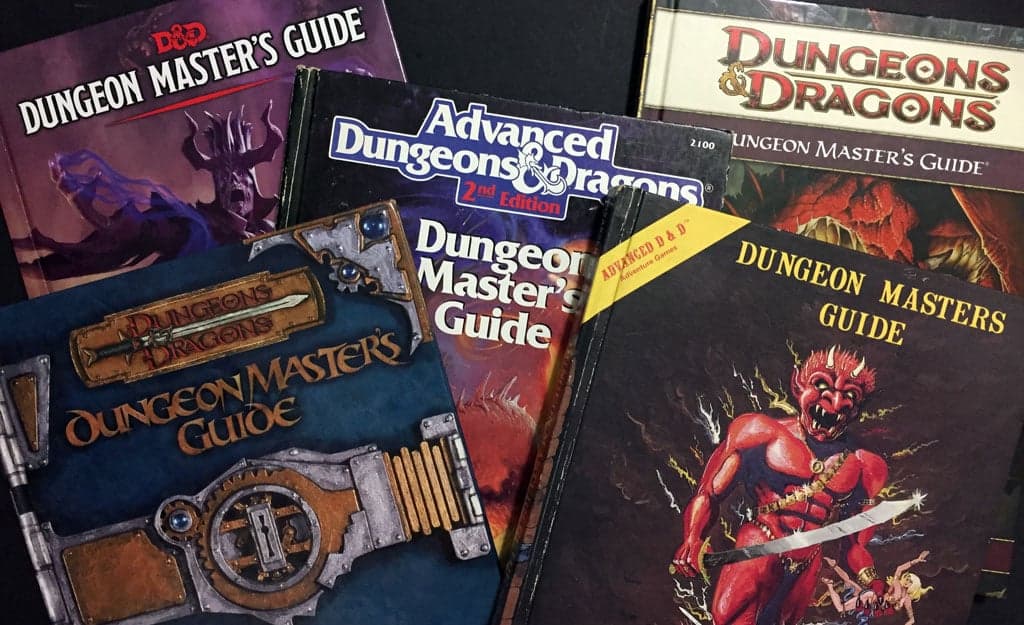
Create a Dungeons and Dragons Character in 30 Minutes
This hands on walkthrough shows you how to build a playable Dungeons and Dragons character in under 30 minutes, aimed at new players and returning players who want a quick refresher. It matters because it gets you at the table faster, pairs practical mechanical choices with roleplay guidance, and includes starter builds and a troubleshooting FAQ you can use during a single session.
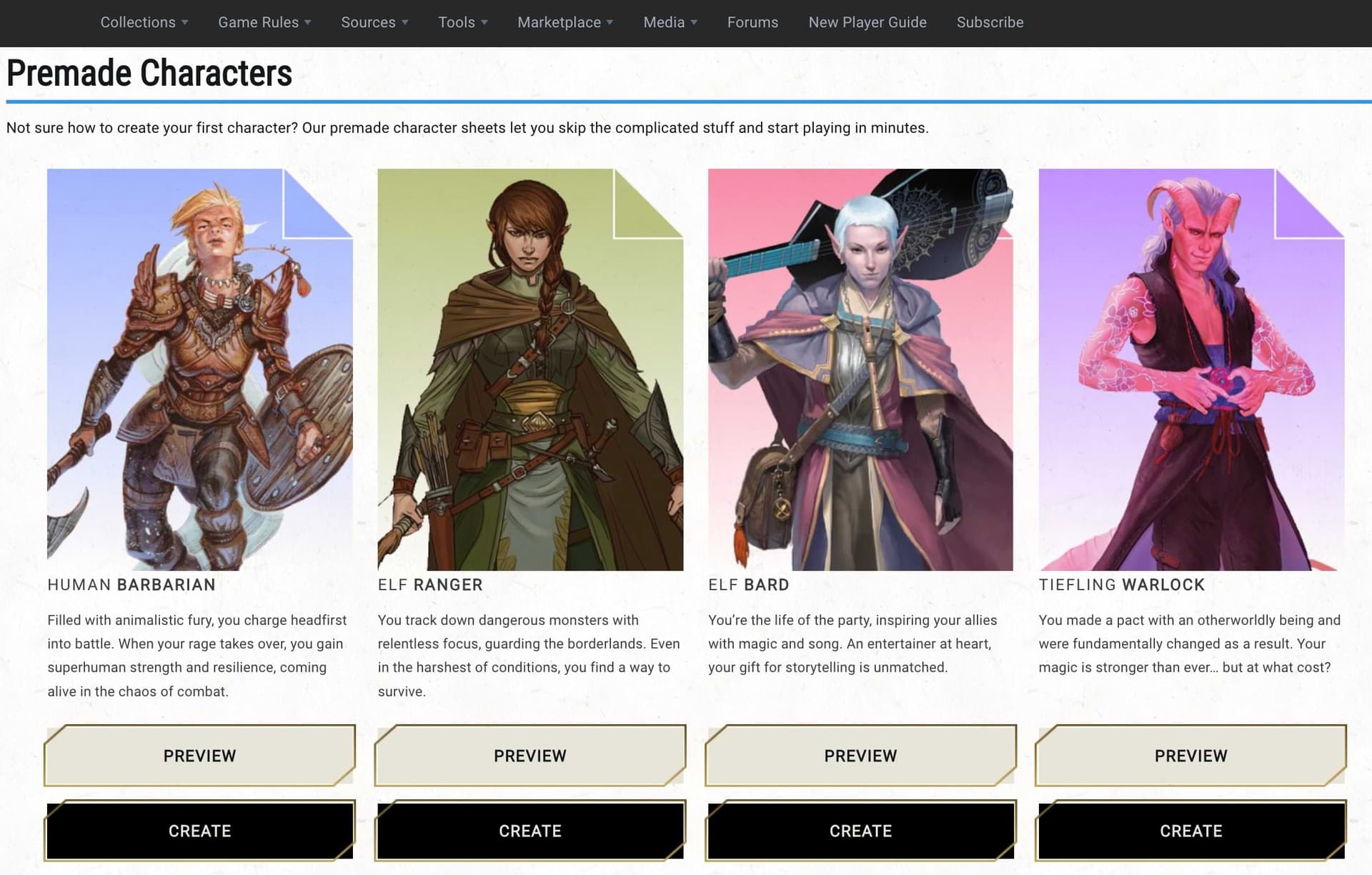
Start with a concept and a mechanical fit. Decide what story you want to tell, then pick a class that supports that story. If you want flexibility and a forgiving play experience choose human or half elf for ancestry. For archetypal playstyles begin with fighter, cleric, rogue, or wizard depending on whether you want to tank, support, skill depth, or spellcasting.
Next pick ancestry and subclass. Choose a subclass that aligns with your concept and will still let you learn the rules. For ability scores use a familiar array such as 15, 14, 13, 12, 10, 8 or point buy, and prioritize the primary stat for your class. Fighters value strength or dexterity and constitution. Clerics value wisdom and constitution. Rogues value dexterity and a secondary mental stat for skill cleverness. Wizards value intelligence above all else.
Select a background that provides useful skill proficiencies, languages, and a roleplay hook. Think in story beats, not only mechanics. Backgrounds give ready made personality prompts you can ask your fellow players about during the first session.
Equip for the early game and pick simple forgiving spells if you are a caster. Prioritize high utility and reliability, such as single target damage or basic control and healing options that do not require complex timing. Choose weapon options and armor that let you survive the first few combats while you learn action economy and positioning.
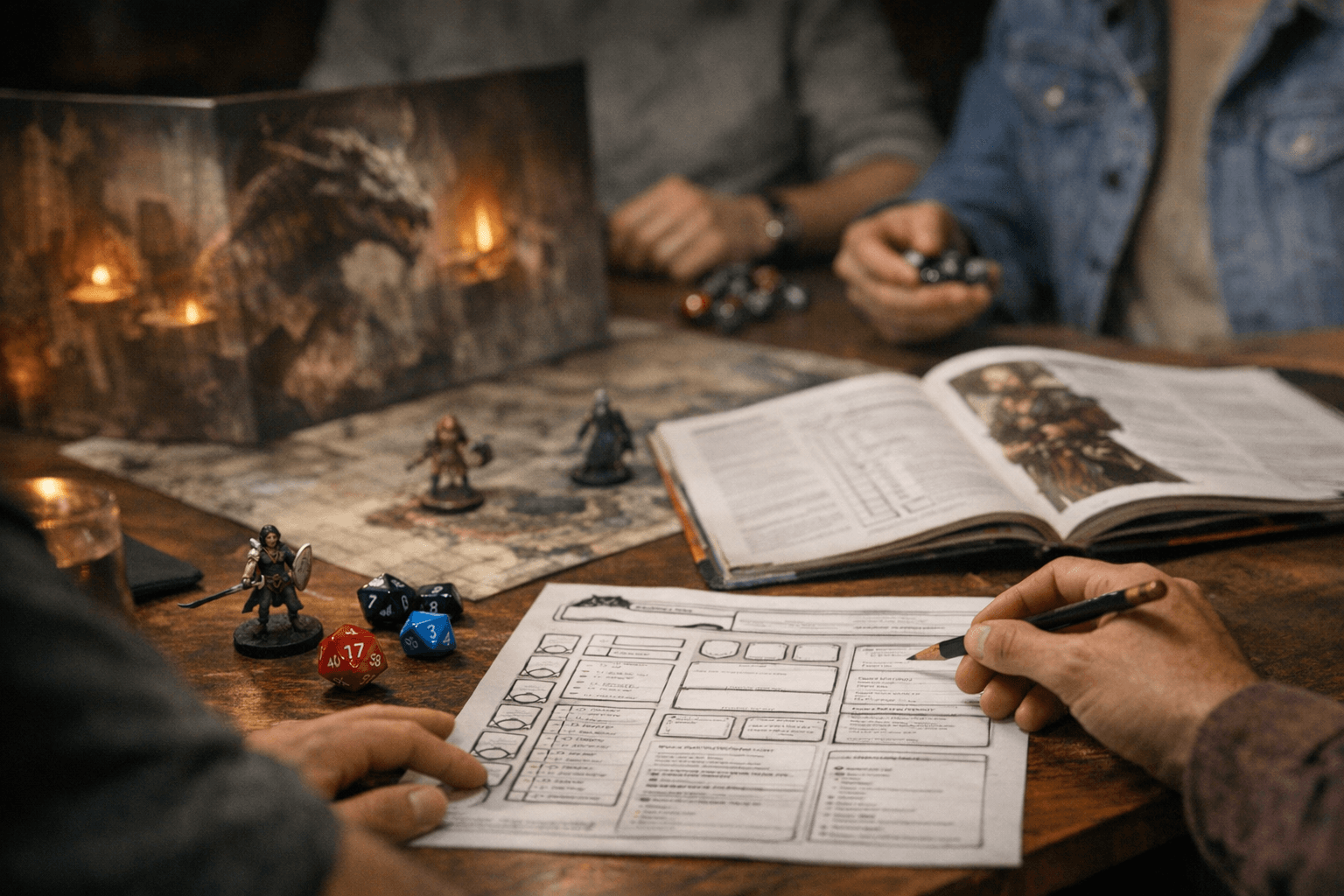
Combat and roleplay starter checklist: in combat use cover, control parts of the battlefield when you can, conserve resources between short rests, and pick actions that contribute to the team. In roleplay ask open questions, tie your character goals to the adventure, and listen for hooks you can use to act on during the next session.
Balance optimization and flavor with a short primer. Decide where you will min max and where you will prioritize memorable character choices. Use feats and skill selections to express personality as well as power.
Quick starter builds include a tank fighter focused on durability and simple tactics, a skill monkey rogue built for exploration and out of combat utility, a support cleric with reliable healing and buffs, and an area control wizard who emphasizes crowd management spells. Troubleshooting covers what to do if you die, how to swap subclasses with your DM mid campaign, and practical leveling tips to keep your character effective and fun as you gain experience.
Sources:
Know something we missed? Have a correction or additional information?
Submit a Tip