Cuba Sentences Former Economy Minister Alejandro Gil to Life Imprisonment
Cuba's highest court handed a life sentence to former economy minister Alejandro Miguel Gil Fernández after a brief closed trial that convicted him of espionage and corruption, signaling a stark move against alleged elite malfeasance. The case raises immediate concerns about transparency and due process, while sending a clear message to officials and foreign partners about Havana's approach to corruption and state security.
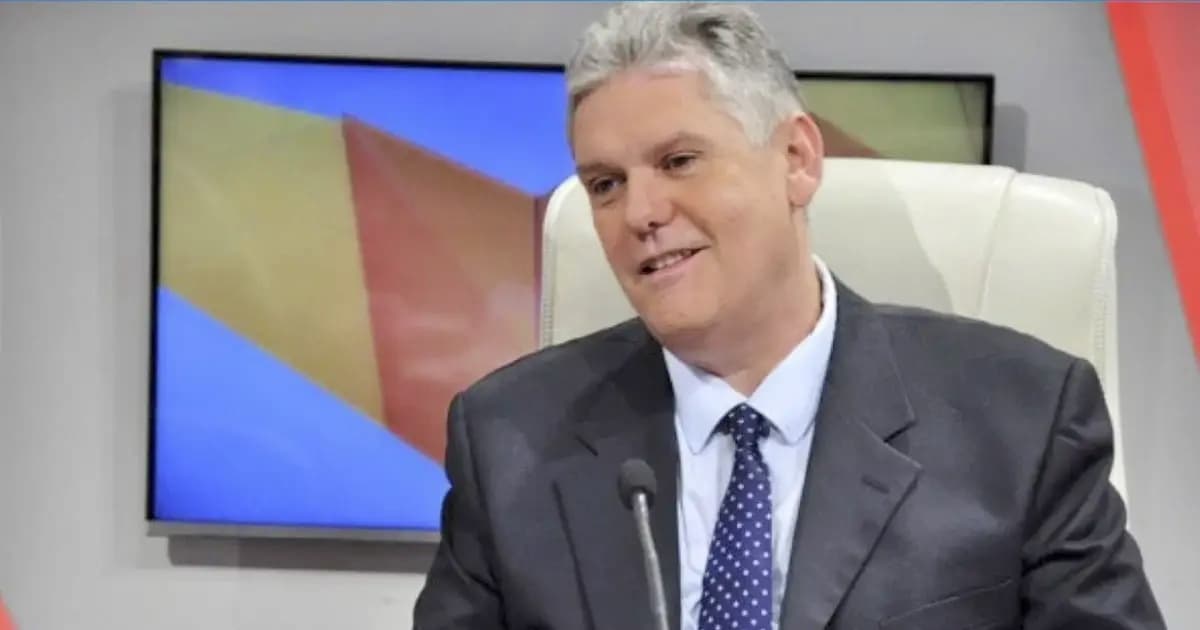
Cuba's Supreme Popular Tribunal on Monday sentenced Alejandro Miguel Gil Fernández, the island's former economy minister, to life in prison following a brief closed trial that found him guilty of espionage and corruption. The court concluded that Gil abused his powers to receive money from foreign companies and bribed officials to legalize illicit asset acquisitions, offenses that the state framed as a grave betrayal of national interests.
The verdict was presented by Cuban authorities as part of a broader crackdown on corruption and abuses by senior officials. State communications emphasized the need to safeguard public resources and the integrity of economic management, portraying the prosecution as an assertive step to restore discipline within the ranks of the government and its economic apparatus.
The case immediately drew scrutiny from international rights groups and segments of the exile community, who expressed alarm at the opacity of the proceedings and raised questions about due process. The closed nature of the trial and its swift conclusion were cited as factors fueling concern among legal observers who monitor the intersection of national security prosecutions and basic judicial safeguards. For external investors and diplomatic partners, the controversy adds uncertainty to an already delicate environment for commercial engagement with Havana.
Gil served as economy minister at a time when Cuba had been trying to expand ties with foreign firms and navigate limited openings to private enterprise. His conviction for receiving money from foreign companies and for arranging illicit asset legalizations touches on the very relationships that the government has been cultivating to attract investment and revive a faltering economy. That contradiction underscores the political sensitivity of corruption investigations at the highest levels, where personal gain and state policy can become entangled.

Within Cuba the sentence is likely to reverberate through the Party and government bureaucracy, prompting officials to reassess how they conduct business with foreign actors and how they manage personal exposure to illicit networks. The harshness of the penalty signals a willingness by authorities to pursue top figures, a dynamic that may have a chilling effect on risk taking within the ministry and among potential private sector partners.
Regionally and internationally, the case will be watched for its implications on legal norms and bilateral ties. Governments and companies that have engaged with Cuban ministries may now face increased scrutiny from their own compliance mechanisms. Human rights organisations will likely press for fuller information about the proceedings and for assurances that the defendant received a fair and transparent hearing consistent with international standards.
As Havana frames the sentencing as decisive action against corruption and betrayal, the broader consequences will depend on whether the government opts for a sustained campaign of accountability that adheres to transparent legal norms, or whether prosecutions remain shrouded in state secrecy and political calculation. Either path will shape Cuba's internal politics and its fragile web of external economic and diplomatic relationships.