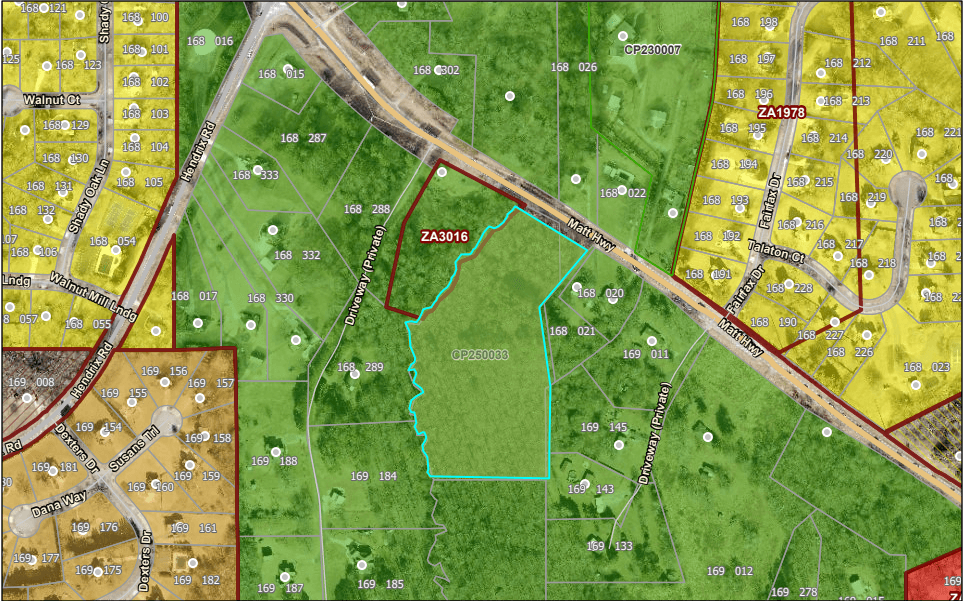
Cumming and State Clarify Cleanup Steps After Lake Lanier Break
City of Cumming leaders and state officials met on December 3 to set clear next steps after the May 19 dam break that disturbed a Lake Lanier cove, outlining which agencies will handle cleanup and ongoing monitoring. The decisions matter to Forsyth County residents because they establish responsibilities for environmental remediation, shorefront inspections, and communications about property impacts.
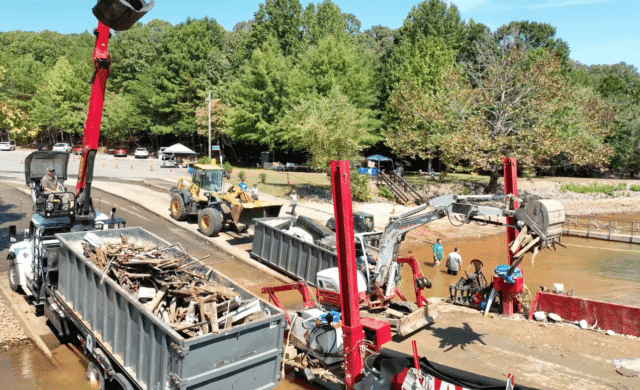
City of Cumming officials convened with state representatives on December 3 to resolve outstanding questions about responsibility and timing after the May 19 dam break that disrupted a cove on Lake Lanier. The meeting produced a coordinated framework for cleanup operations and long term monitoring, clarifying which government bodies will lead different aspects of the response and how property owners will be notified of inspections and remediation work.
Participants agreed that municipal crews will oversee immediate site access and local permitting, while state entities will assume primary authority for environmental assessment and water quality monitoring. Work will proceed in phases, beginning with safety and containment measures, followed by targeted cleanup activities and an extended period of monitoring to detect any lingering impacts to the cove and downstream waters. The meeting also established channels for regular updates to residents and property owners so that homeowners receive timely information about inspections, shoreline work, and any temporary restrictions on access.
For Forsyth County residents, the outcomes mean clearer expectations about timelines and contact points. Property owners should anticipate coordinated visits from municipal inspectors and state environmental teams. Officials said coordination will aim to minimize disruption to private docks and recreation while ensuring remediation meets regulatory standards. The shared approach intends to reduce duplication of effort between local and state agencies and to speed the transition from emergency response to restoration.
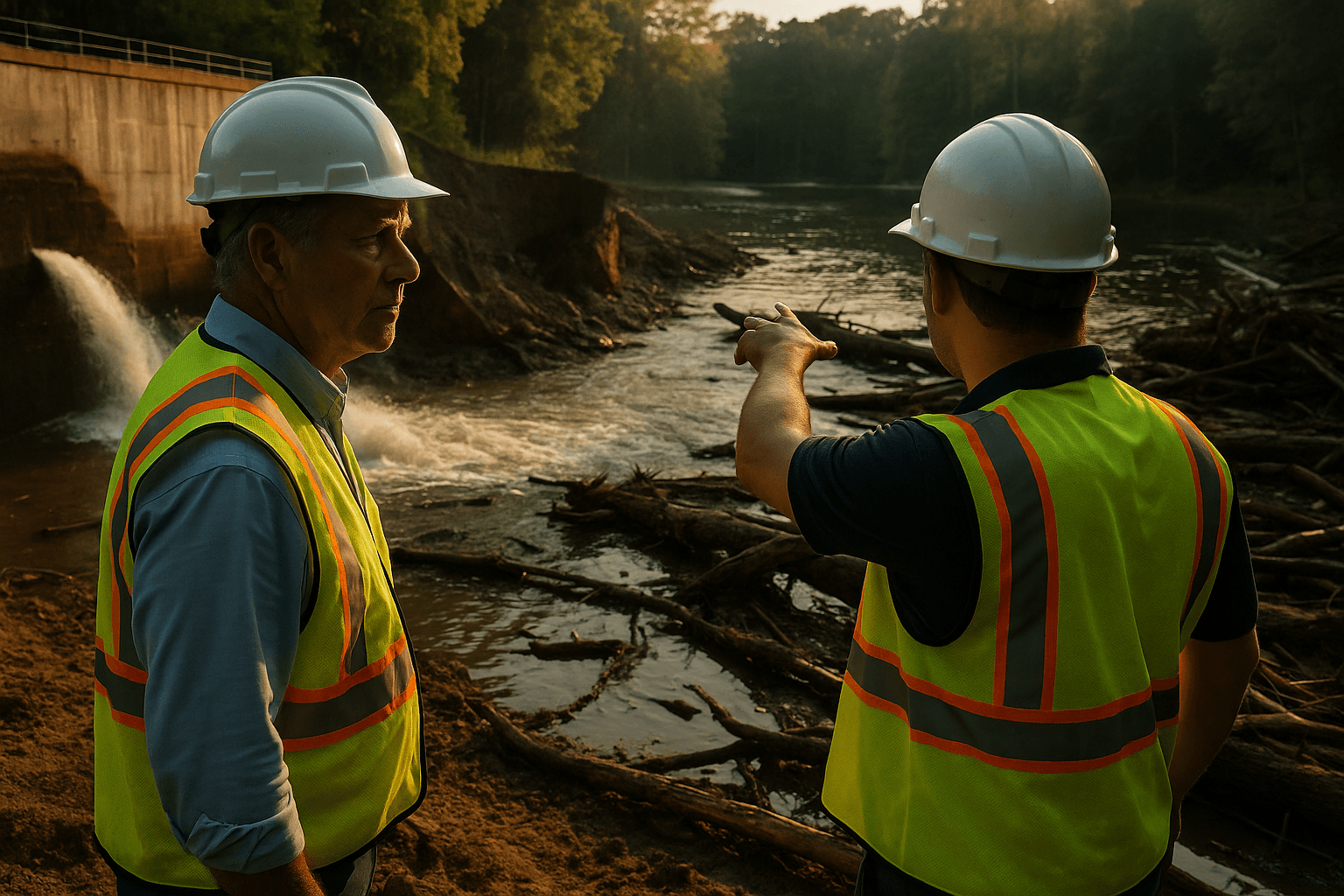
Beyond immediate cleanup, officials framed the incident as a test of intergovernmental cooperation in managing shared water resources. Lake Lanier serves as a local economic and recreational asset, and the handling of the cove incident will influence public confidence in maintenance of shoreline safety and environmental health. City and state leaders committed to ongoing collaboration and regular public briefings as field assessments continue and remediation activities are scheduled. Residents seeking information about inspections or shore work should monitor official city communications for updates and guidance.