Cybercriminals Target Small Businesses and Residents, Holiday Season Risk Grows
Cybercriminals are increasingly using AI voice impersonation, deepfake signatures, fake shipping notices and QR code traps to defraud small businesses and residents during the holiday season. Local examples show real financial harm and security breaches, so Nye County businesses and households should strengthen basic defenses now.

Cybercriminals have stepped up seasonal campaigns that exploit the rush of invoices, deliveries and online transactions that come with the holidays. Attackers are using advanced tools including AI voice impersonation, deepfake signatures on invoices, QR code malware, compromised advertising and fake carrier texts to trick employees and residents into handing over money or credentials. These tactics bypass basic suspicion and can look convincingly legitimate.
The trend has caused documented losses in Nevada in 2025. A Nevada bakery accepted a fraudulent supplier invoice that carried a deepfake signature and lost twelve thousand dollars. A Las Vegas insurance office experienced a credential breach after staff responded to a fake UPS text that led to stolen login information. Those incidents illustrate how modest firms and offices face outsized risk when fraud coincides with heavy transactional traffic.
For Nye County the risk is immediate. Local retailers, cafes, hospitality vendors and service providers handle more invoices, online orders and delivery notices this time of year. Mining service contractors and tourism related businesses that rely on quick vendor approvals and last minute orders are equally exposed. Residents who share travel plans on social media or who click delivery links under time pressure may also be targeted.
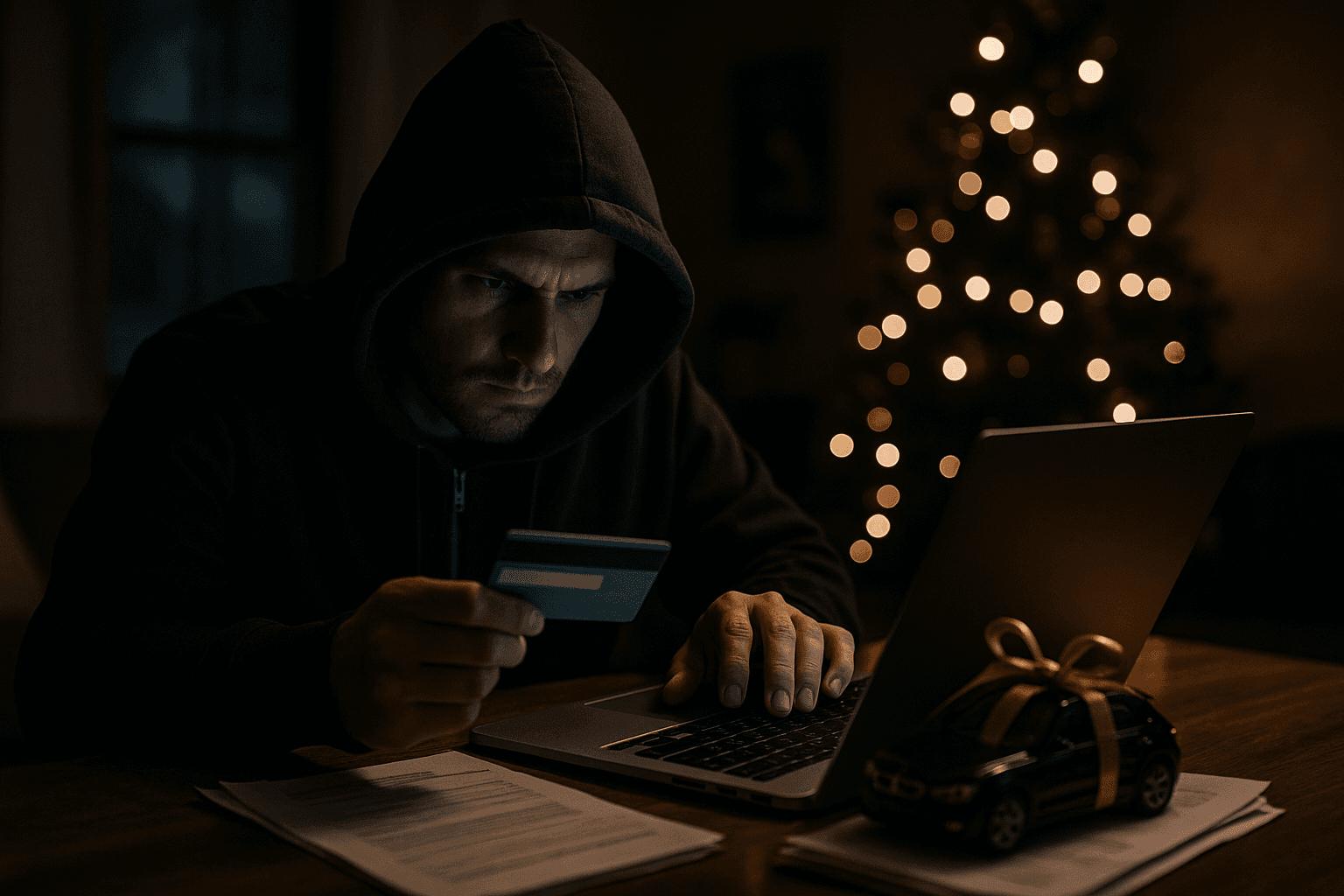
Practical steps can reduce exposure. Verify invoices and vendor requests through known channels, do not rely on emailed instructions alone, and confirm bank account changes with a phone call to a verified number. Limit account access through role based permissions and enforce multi factor authentication on email and financial accounts. Run short staff briefings on current scams, apply software patches promptly, and monitor for unusual after hours logins. Consider professional help from IT security firms if networks or point of sale systems process large volumes of payments.
Home users should use official carrier websites instead of clicking unknown links, be cautious about sharing travel schedules publicly, check charities before donating, treat unsolicited delivery texts with suspicion, and use unique passwords with multi factor authentication. Prioritizing these defenses now can prevent the kind of financial and operational disruptions seen elsewhere in Nevada this year.
Sources:
Know something we missed? Have a correction or additional information?
Submit a Tip