Data Centers Spark Regional Debate, Goochland Technology Overlay District Divides Community
In 2025, proposals for large data centers and technology sites became a leading civic issue across the Richmond metro area, fueling intense public debate and new zoning responses. Goochland County's Technology Overlay District drew particular attention as residents and developers clashed over the trade offs between economic development and impacts on utilities, traffic, and community character.
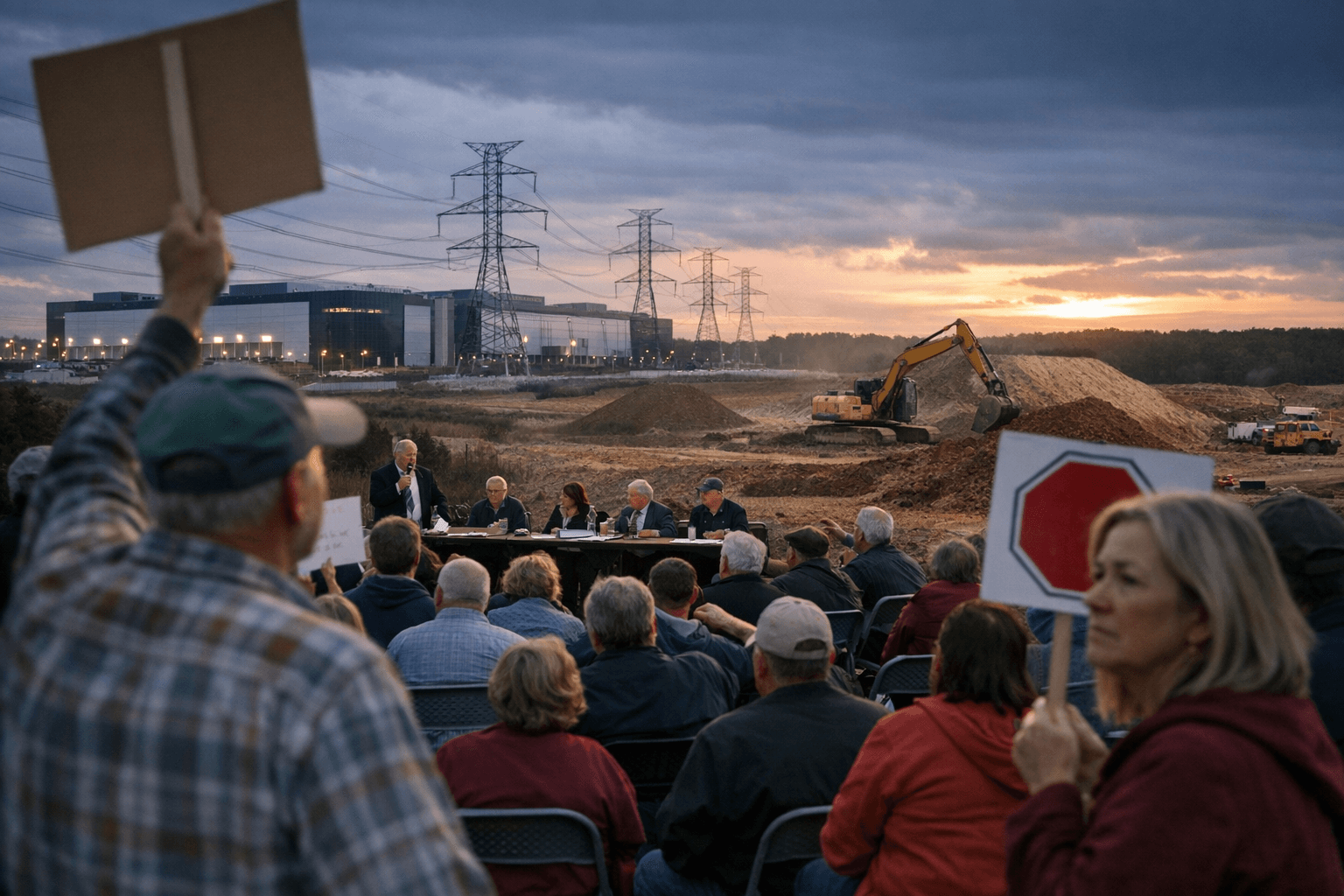
Local government and residents closed out 2025 wrestling with a wave of proposals for large technology sites that reshaped the region's planning conversations. Across multiple Richmond area counties, public hearings and town hall meetings brought packed rooms and vocal comment as officials weighed permit requests, infrastructure needs, and the long term implications of concentrated technology development.
Goochland County emerged as a focal point in that debate after the county adopted a Technology Overlay District, a zoning tool intended to define where and how large tech projects could locate. The overlay drew attention from developers who see economic opportunity in site clarity and potential incentives, and from residents who raised concerns about expanded utility demand, increased truck traffic, and changes to rural landscapes. The county's experience illustrated the central tension that defined the year, between efforts to attract large employers and the need to protect residential quality of life.
Policy makers across the region increasingly used overlay districts to channel growth, establish standards, and set expectations for utility upgrades and site design. In practice, those districts offered a quicker path to shape where technology projects would be permitted, while creating a concentrated locus for public debate. For local officials the appeal is procedural clarity and the possibility of negotiating community benefits. For neighbors the overlay model can feel like a bargaining table where outcomes are uncertain and stakes are high.
The market implications for Goochland and neighboring counties are layered. Large technology sites can bring construction activity and potential long term tax revenue, but they also place new demands on electric grids, water systems, and roadways. Developers have signaled interest in parcels that meet overlay standards, which could compress project proposals into a smaller number of places and intensify local impacts. That concentration raises questions about how counties budget for infrastructure upgrades and whether projected fiscal benefits will cover the cost of new public services.
Looking ahead, the discourse in Goochland highlights a broader planning challenge. Counties must balance short term economic gains against long term land use goals and community preferences. The decisions made now about zoning, utility agreements, and design standards will shape residential patterns and infrastructure needs for decades. For Goochland residents the immediate consequence is heightened civic engagement and a clearer understanding that land use choices made in 2025 will govern how the county grows in the years to come.
Sources:
Know something we missed? Have a correction or additional information?
Submit a Tip