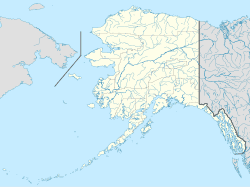
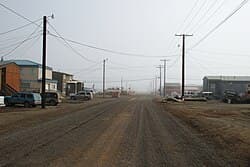
Deadhorse, Prudhoe Bay Serves as North Slope Energy Hub and Lifeline
Deadhorse functions as the industrial support community for the Prudhoe Bay oil field and the Trans Alaska Pipeline System, and its operations directly affect employment, supply chains and emergency care across the North Slope Borough. Limited local services, dependence on medevac and seasonal worker flows mean travel disruptions, weather events and oilfield activity can have immediate public health and economic consequences for borough residents.
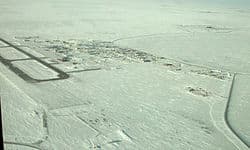
Deadhorse sits at the center of industrial activity on the North Slope Borough, housing facilities and temporary lodging for thousands of workers who support the Prudhoe Bay oil field and the Trans Alaska Pipeline System TAPS. The community has a very small year round resident population, yet its role as a logistical hub means changes there ripple across villages and service networks county wide.
Access to Deadhorse is remote and constrained. Travelers reach the area either by the Dalton Highway, often called the Haul Road, from Fairbanks or by scheduled flights to Deadhorse Airport IATA SCC. The Dalton Highway is a long gravel route that requires careful planning, with many drivers stopping overnight in Coldfoot or a similar location. Arctic weather can be extreme, and travelers must carry spare fuel and emergency supplies. Summer brings continuous daylight while winter brings polar night and severe cold, and wildlife such as caribou and occasional polar bears create additional safety concerns.
Local public services in Deadhorse are limited to a basic store, fuel supplies and small clinics. More comprehensive hospital care for the North Slope is provided in Utqiagvik at Samuel Simmonds Memorial Hospital, and medevac and air transport are common for serious medical needs. That reliance on air evacuation highlights structural health equity issues for rural residents and workers. When weather closes the road or the airport experiences delays, access to emergency care, specialist services and critical supplies can be disrupted, adding risk for residents in remote communities.

Public access in many oilfield areas is privately controlled and restricted for safety and security. Tours to the Arctic Ocean or to oilfield infrastructure typically require advance booking and may involve background checks and specific safety rules. For people planning travel or contracting work in Deadhorse, contact oilfield operators or approved tour operators and check with the Alaska Department of Transportation for Dalton Highway conditions.
For North Slope Borough leaders and regional health planners, Deadhorse underlines several policy priorities. Strengthening medevac capacity, ensuring reliable supply chains in extreme weather, expanding telehealth and supporting stable workforce housing can reduce risks to public health and sustain employment. Addressing these needs requires coordination between tribal governments, borough authorities, state agencies and industry to keep communities safe and economically resilient in a remote Arctic environment.