Decatur County Riverfront Parks, Marinas, Trails, and Heritage Guide
This guide summarizes Decatur County’s primary outdoor assets—riverfront recreation, marinas, parks, natural areas, historic sites and agritourism—so residents can plan outings and understand local stewardship. It explains what each site offers, how the county manages them, and why they matter for local quality of life, the economy, and civic engagement.

1. Tennessee River Golf Club
The Tennessee River Golf Club is an 18‑hole course sited on the riverbank that offers a full range of player services, including a pro shop, snack bar, driving range and multiple tee sets to accommodate different skill levels. Several scenic holes include water hazards tied to the riverfront setting, making the course both a recreational asset and a draw for visiting golfers. As a facility located adjacent to the Tennessee River, the club supports local tourism, hospitality spending, and outdoor recreation opportunities for residents; its continued maintenance depends on routine investment and coordination between private operators and county economic-development priorities.
2. Beech Bend Park (near Parsons)
Beech Bend Park is a year‑round campground and day‑use park on the Tennessee River offering tent and RV sites—some with hookups—plus two boat ramps, picnic shelters, a playground and a basketball court. The park’s expansive river and lake frontage make it a hub for anglers, family recreation and overnight stays that feed local businesses. Management by county parks services means Beech Bend’s condition reflects public budgeting choices for maintenance, restroom and ramp upkeep, and boat access; residents relying on the park should track county parks funding and volunteer opportunities to ensure access remains reliable.
3. Cherokee Marina & Grill (Sugar Tree)
Cherokee Marina & Grill is listed among full‑service river marinas that cater to recreational boaters and provide food and event space in addition to marina services. The county’s listing notes amenities such as slips and ramps and directs boaters to contact information and location data on the riverside. Facilities like Cherokee support small-business employment, seasonal tourism, and onsite-event revenue, and they require accessible river infrastructure and predictable permitting from local authorities to operate effectively.
4. Fisherdale Marina (Decaturville)
Fisherdale Marina in Decaturville is named among county marinas serving local boaters with slips, ramp access and other services that keep river recreation active throughout the warm months. Such marinas are critical access points for residents without private docks, and they help sustain fishing and charter activity that contributes to the local economy. The county’s consolidated page provides contact details and site directions, making it simpler for residents to plan trips and for officials to examine usage patterns when allocating infrastructure funds.
5. Mermaid Marina (Decaturville)
Mermaid Marina provides additional docking and river services for Decaturville-area boaters and is listed with notes on amenities, location and contact numbers on the county page. Multiple marinas clustered near population centers create redundancy and choice for boaters, but they also require coordinated oversight on environmental safeguards, waste management and shoreline maintenance to protect the Tennessee River’s health. Community concerns about navigation safety, fuel handling and noise are legitimate policy issues to raise with marina operators and county regulators.
6. Perryville Marina (Parsons)
Perryville Marina in Parsons serves the Parsons community with moorage, ramp access and other marina services noted by the county as important riverfront infrastructure. For Parsons residents, Perryville Marina is both recreational infrastructure and a point of connection to regional waterways, supporting fishing, transit and events. The marina’s operation ties into county permitting, public-safety coordination, and potential grant funding for waterfront improvements—areas where civic oversight and advocacy can influence priorities.
7. RiverStone Marina (Bath Springs)
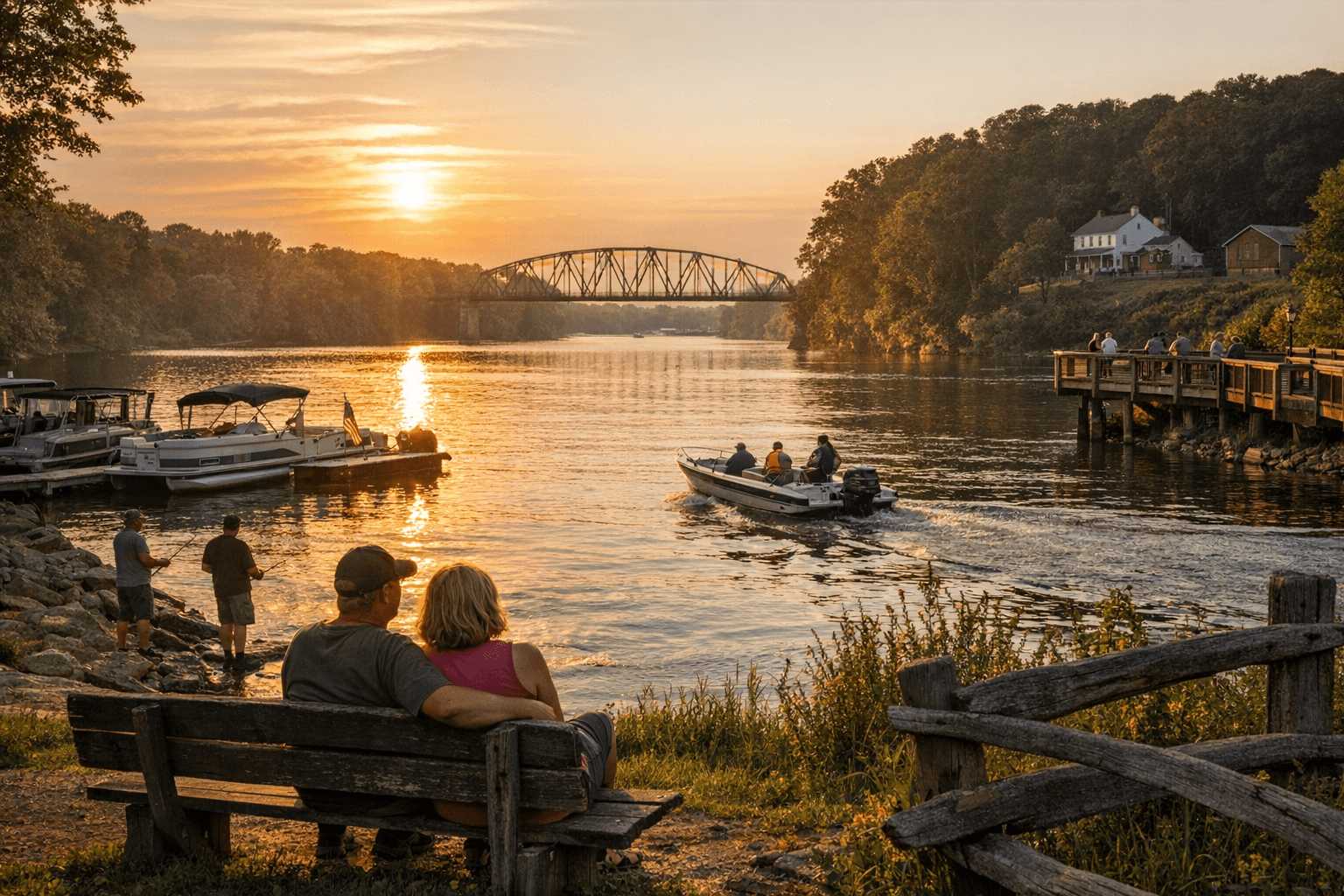
RiverStone Marina at Bath Springs is another listed service point along the Tennessee River offering slips, ramps and seasonal services to boaters and visitors. Small marinas like RiverStone contribute to dispersed recreational use of the river, reducing pressure on any single site while spreading economic benefits. County planners and conservation partners should monitor cumulative impacts from multiple marinas—such as boat traffic patterns and shoreline erosion—when considering long-term river management strategies.
8. Other public marinas and river services
Beyond the named sites, Decatur County lists additional public marinas and river services that collectively provide slips, ramps, fuel and event facilities for recreational boaters across the county. The county attractions page consolidates contact numbers, river-mile locations and links to operators, which helps residents compare options and assess services before launching. From a governance perspective, a comprehensive inventory simplifies permitting oversight, emergency response planning, and tourism promotion; residents can use that single source to communicate access gaps or maintenance needs to officials.
9. Brownsport Furnace (historic site)
Brownsport Furnace preserves the remains of the 1830s furnace—the first hot‑blast furnace built in Tennessee—and is maintained under Decatur County Parks & Recreation stewardship. The site’s Civil War survival and listing on the National Register of Historic Places make it a valuable heritage tourism asset and a local reminder of industrial history. Public access to Brownsport Furnace offers educational and cultural benefits, but it also requires consistent preservation funding and interpretive planning; local advocacy helps ensure the county prioritizes historical maintenance alongside recreational projects.
10. Carroll Cabin Barrens State Natural Area
Carroll Cabin Barrens is a roughly 250‑acre natural area near the Tennessee River characterized by limestone glades and rare plant communities, with an approximately 2‑mile hiking trail and a trailhead kiosk. Managed jointly by Decatur County Parks & Recreation and Tennessee’s Division of Natural Heritage, the area represents both conservation value and recreational opportunity for hikers and naturalists. Its joint-management model highlights how county and state cooperation can protect biodiversity while providing public access; residents interested in conservation can engage through volunteer stewardship, habitat monitoring, and public meetings on land management.
11. Agritourism and seasonal attractions (example: Black Wolf Acres)
Decatur County highlights local agritourism operations—such as Black Wolf Acres—that offer pick‑your‑own produce, fall corn mazes and other seasonal events that draw families and visitors. Agritourism diversifies the rural economy, supports small farms, and extends visitor seasons beyond peak summer boating and fishing periods. Local policymakers can foster this sector through marketing support, safe road access to venues, and agricultural-business assistance programs; residents can support agritourism by patronizing local operations and participating in town planning conversations about seasonal traffic and safety.
12. The county attractions page as a consolidated resource and civic tool
Decatur County’s official attractions page compiles parks, marinas, historic sites and natural areas with contact numbers, directions and links so residents and visitors can plan trips from a single source. This centralization improves transparency about public assets, clarifies who to contact for issues, and provides a baseline for performance monitoring and budget advocacy. Use the page to identify infrastructure needs, report maintenance problems to county parks staff, and raise questions at county commission meetings; active civic engagement around these assets influences funding, access equity and long‑term stewardship.
Sources:
Know something we missed? Have a correction or additional information?
Submit a Tip