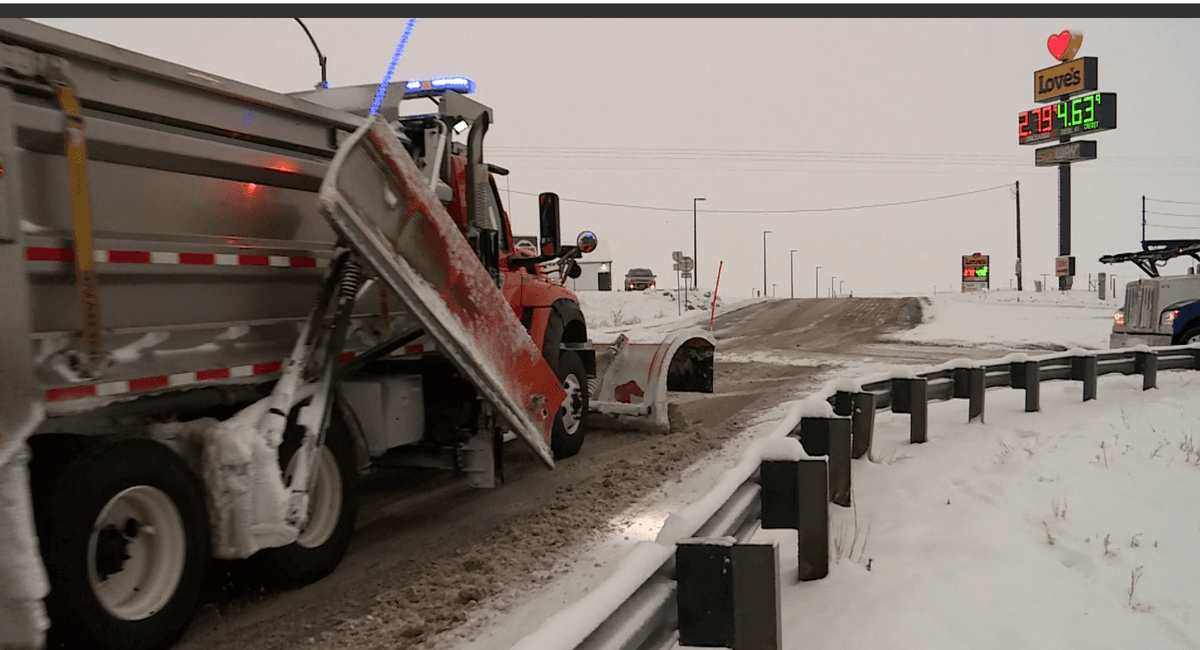
December Storm Leaves Snow Across Southeast Colorado, Rural Strain
A storm system that moved through on December 3 dropped up to several inches of snow across southeastern Colorado, delivering the first measurable snow of the season in many plains communities and leaving trace amounts in parts of Las Animas County. The snowfall highlights transportation challenges for rural residents, potential impacts on access to health care, and the need for targeted public services as another front may bring more snow later this week.

A late season storm that swept through southeastern Colorado on December 3 left variable snowfall across the region, with community level reports showing accumulations from trace amounts to more than four inches. The system produced light totals on the plains while higher elevations and isolated mountain gaps recorded the heaviest snow. Many locations received their first measurable snow of the season, following Colorado Springs first snow on November 30 which was one of the citys latest first snows on record.
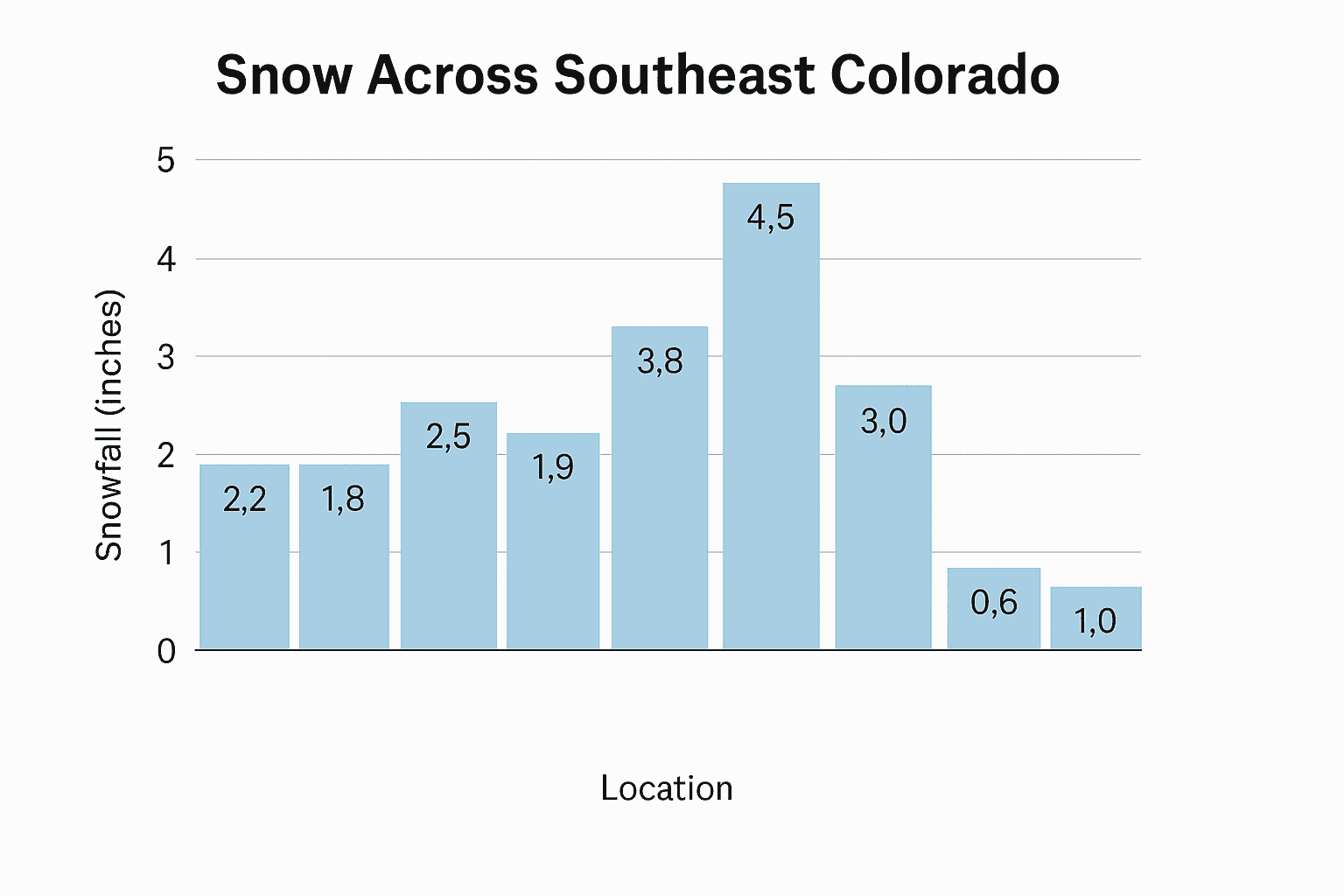
Measured amounts reported across the area included 2.2 inches at Pueblo Airport, 1.8 inches at Pueblo West, 2.5 inches in Monument, 2.0 inches in Black Forest, and 1.9 inches in Manitou Springs. Notable higher totals were reported near Westcliffe at 4.5 inches, Rosita and Fort Garland at 3.8 inches, and La Veta at 3.0 inches. Several eastern plains towns recorded light amounts or traces. Las Animas and Lamar reported trace snow, Trinidad recorded 0.6 inches, Eads 1.0 inch, and Cheyenne Wells 2.6 inches.
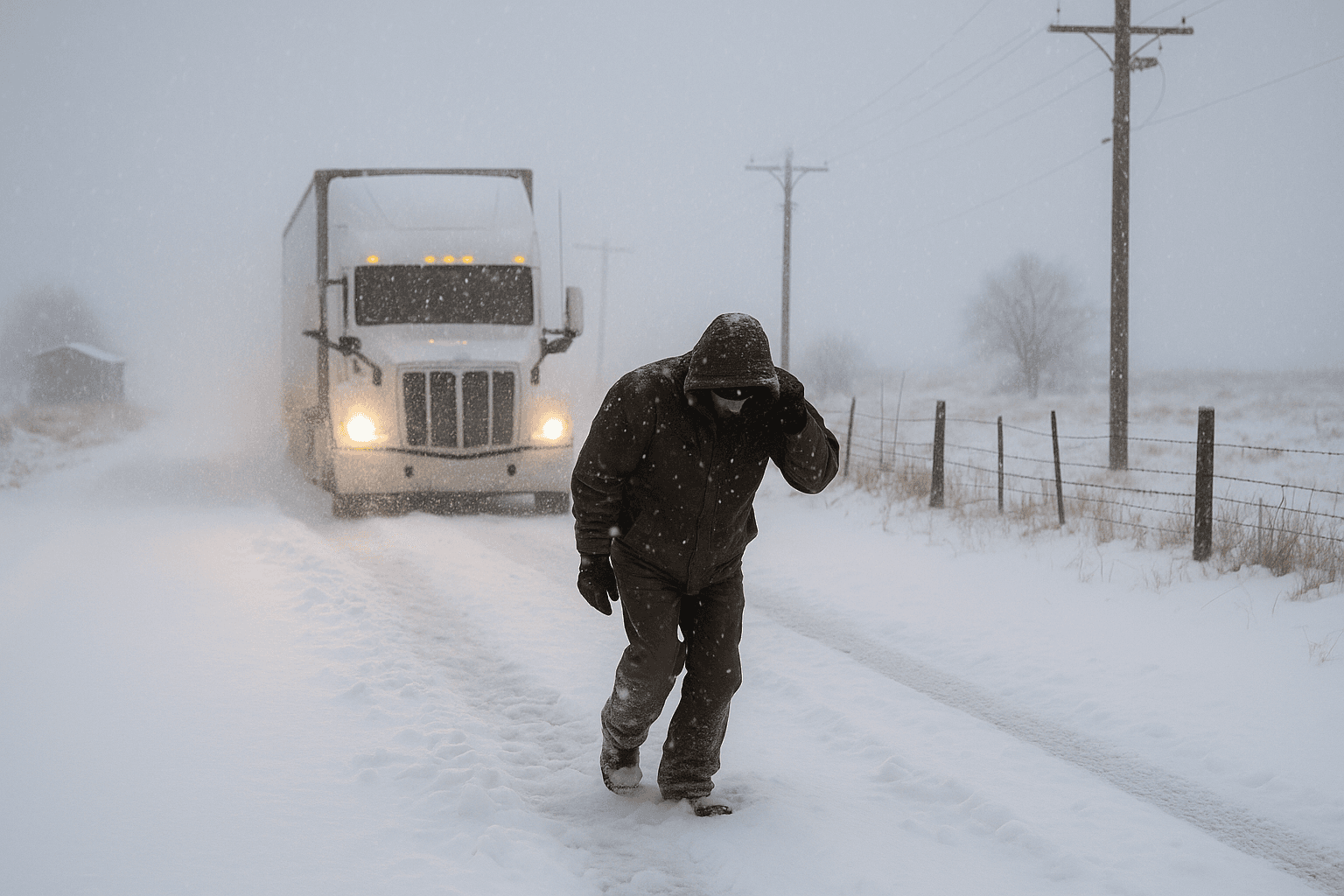
The snowfall has practical implications for Las Animas County residents, particularly those who rely on county roads and long travel distances to reach health care, grocery stores, and workplaces. Even modest accumulations can create slick surfaces, increase the risk of falls among older adults, and delay routine medical appointments for people with chronic conditions. Rural ambulance and transport services face added strain during winter weather as crews balance longer response times with limited staffing and budgetary constraints.
Public health concerns are compounded for households with limited heating resources or unreliable vehicles. Power interruptions or prolonged cold can threaten people living with disabilities, older adults, and families experiencing economic hardship. Community warming spaces, coordinated checks on isolated residents, and clear communication about road conditions can help reduce these risks. Local officials and emergency services will need to prioritize snow removal on main arterials and routes to critical care facilities to maintain access.
Forecasters are monitoring another front that could bring additional snow later in the week, and residents are advised to check the latest forecast and road conditions before traveling. For county decision makers, the storm underscores longstanding needs for investment in rural transportation maintenance, support for emergency medical services, and programs that address energy insecurity as part of equitable winter preparedness.