Delta Heritage Trail brings recreation, tourism and connectivity to Phillips County
The Delta Heritage Trail State Park converts an abandoned Union Pacific rail corridor into roughly 40 miles of multi use trail through Phillips County and neighboring Delta communities, with a planned full length of about 84 miles. The trail links small towns, historic sites and natural areas, expanding outdoor recreation, birding and heritage tourism while shaping local planning and economic opportunities.
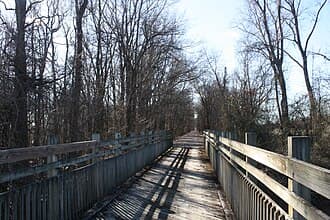
The Delta Heritage Trail State Park is a rails to trails conversion that now provides about 40 miles of continuous trail from Lexa north toward Snow Lake, with a long term plan to complete roughly 84 miles across the Arkansas Delta. Managed in cooperation with Arkansas State Parks and a network of local partners, the corridor travels through rural Delta landscapes and stitches together small towns, historic sites and natural habitats that are central to Phillips County identity.
Trailheads and segmented access points are spaced across Delta towns, making the trail reachable for residents who walk, cycle and bird. For Phillips County this physical connectivity matters because the trail creates daily and seasonal use patterns that feed local businesses and public spaces. The multi use design supports family recreation, commuter style bike trips for short distances, and nature based visitation such as birding along wetlands and forested stretches.
From an economic perspective the trail functions as both a recreational amenity and a heritage tourism asset. Local planning documents and tourism efforts have cited the corridor as a cornerstone for attracting visitors who combine outdoor activity with visits to historic and cultural sites in the county. Completing the full planned length would strengthen regional connectivity and increase the potential visitor base by linking additional communities and sites along the former Union Pacific right of way.

Policy and management choices will shape how benefits are distributed. Continued cooperation between state parks and local partners is key for maintenance, trailheads, signage and programming that encourage longer stays and repeat visits. Investments in trail access and nearby services tend to generate local spending at cafes, shops and lodging, while preservation of adjacent historic and natural sites can deepen the tourism product.
As the Delta Heritage Trail grows toward its 84 mile goal, Phillips County stands to gain from expanded outdoor recreation, enhanced heritage visitation and stronger regional links between Delta communities. The trail is now a tangible asset for local planners, tourism officials and residents who want to leverage natural and historical resources for long term economic and community resilience.