Department of Energy and Contractor Reviewed Cleanup Progress, Addressed Chromium Plume
The Department of Energy Office of Environmental Management Los Alamos Field Office and legacy cleanup contractor Newport News Nuclear BWXT Los Alamos held a community meeting on December 4, 2025 to present a fiscal year 2025 year in review and to update residents on the hexavalent chromium Cr(VI) plume and related cleanup activities. The session outlined progress protecting water supplies and legacy waste disposition, and included a public question and answer period to allow community oversight.
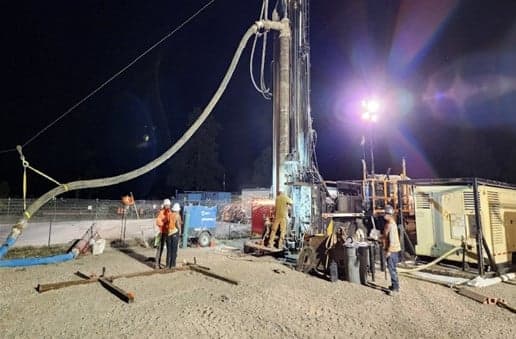
On December 4 officials from the Department of Energy Office of Environmental Management Los Alamos Field Office and the legacy cleanup contractor Newport News Nuclear BWXT Los Alamos met with the public at the SALA Event Center, with a virtual attendance option provided through Microsoft Teams. The presentation summarized fiscal year 2025 activities and delivered a focused update on the hexavalent chromium Cr(VI) plume, ongoing remediation work, and actions taken to protect community water resources. The formal presentation was followed by a public question and answer session.
The agencies reported on measures aimed at limiting contaminant migration and on progress toward disposition of legacy wastes left from decades of research and weapons era activity. For Los Alamos County residents these topics carry immediate implications for drinking water safety, land use planning, and long term health monitoring. The meeting format allowed residents and local officials to press project managers for timelines, monitoring results, and explanations of how remediation choices will affect neighborhoods and municipal services.
Institutionally the session underscored the distinct roles of the federal field office and the contractor in executing cleanup work, while highlighting the need for clear performance metrics and transparency about costs and schedules. Fiscal year reviews of this type are a key accountability mechanism, providing an annual baseline that elected leaders and voters can use when considering budget allocations, regulatory oversight, and local planning decisions. Continued public reporting will be important as technical phases of remediation evolve and as funding needs become clearer.
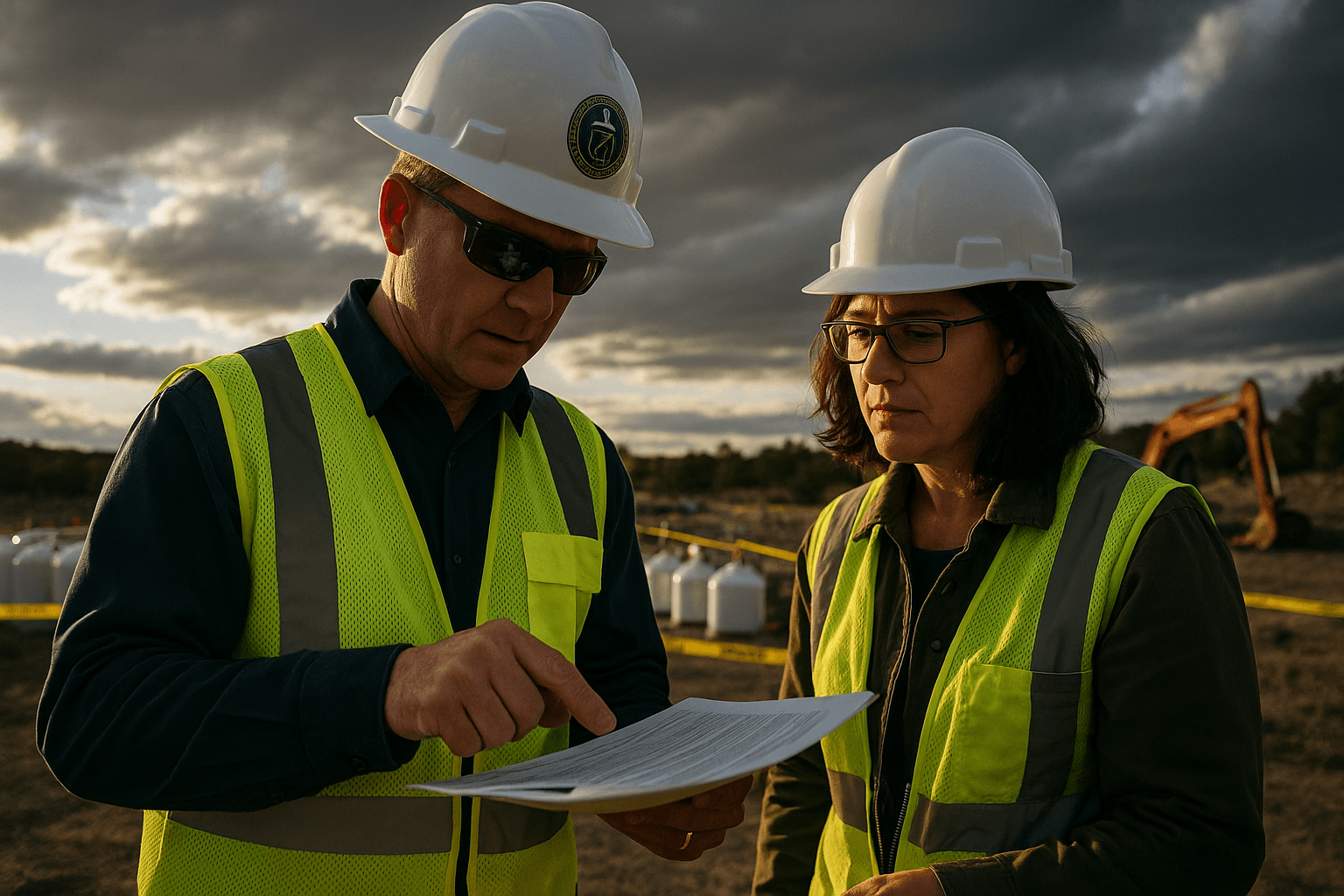
Policy implications include the necessity for sustained monitoring to confirm containment of the Cr(VI) plume, clear disposition pathways for legacy wastes, and coordination with state regulators and local governments to ensure protective standards are met. For residents the practical next steps are straightforward. Follow up reports and monitoring data will inform whether additional protections or changes in land use are needed. Public engagement at these updates remains a primary lever for community oversight, and local officials will factor the agencies performance into future budget and policy discussions.