District Seeks to Digitize and Preserve Iñupiaq Language Archives
The North Slope Borough School District issued a request for proposals on December 4, 2025 for a comprehensive digitization and archival access system to preserve cultural, language, educational, and historical materials. The project aims to make those materials available to teachers, students, elders, and community partners while honoring cultural protocols and supporting language revitalization efforts.
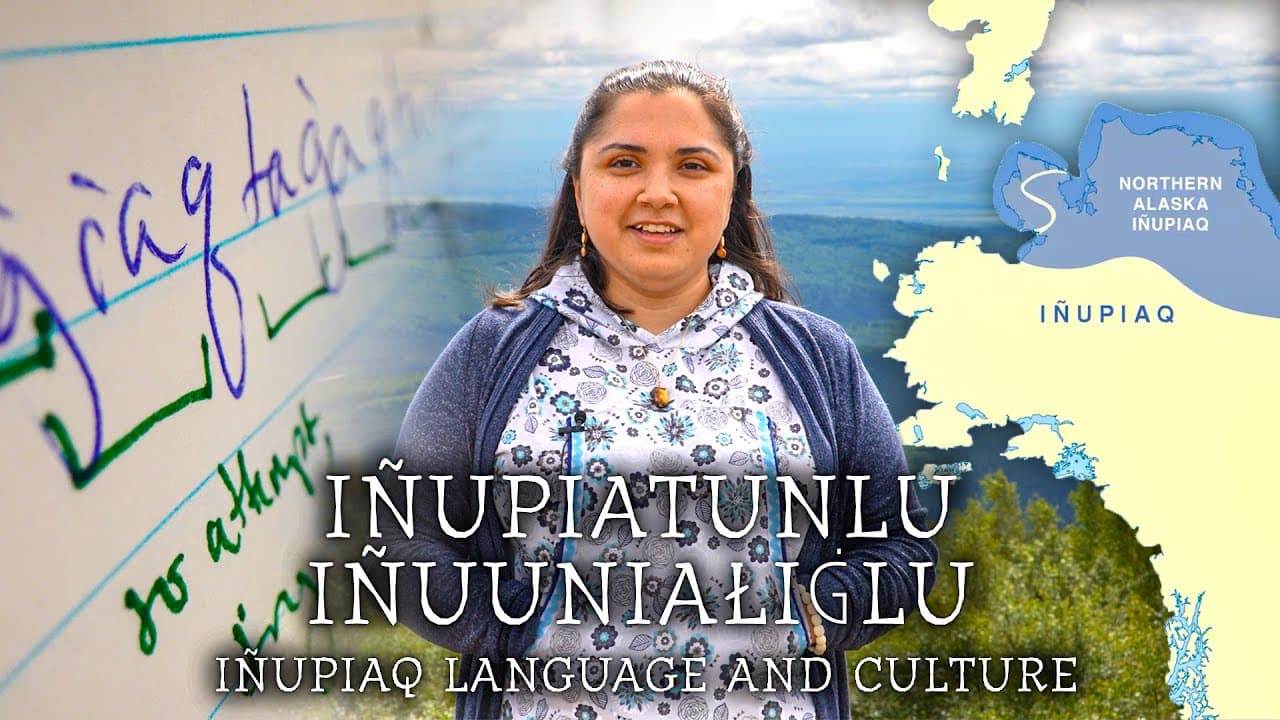
The North Slope Borough School District has launched a formal solicitation for vendors to design, develop, and implement a district wide digitization and archival access system. The December 4, 2025 request for proposals seeks technical and cultural expertise to digitize a range of formats including paper records, photographs, audio and video recordings, curricula, instructional materials, and Iñupiaq language resources. The district describes the project as central to culturally responsive instruction, language revitalization, and community partnership.
Proposals must include plans for durable archival metadata and cataloging that are sensitive to cultural contexts and Iñupiaq language needs. The selected vendor must build or configure an accessible archival access system with search capabilities, user permissions, cultural and tribal access controls, and guidance for long term preservation and storage. The scope also requires training and documentation for district staff and community partners, and a clear plan for transfer of files and system administration so stewardship remains local.
For vendors and community members seeking full technical details, the RFP packet is available for download at https://drive.google.com/file/d/1VDLsuahjzCBaCHKaLrmeUlxny5YZAHsW/view?usp=sharing. The packet outlines submission instructions and the full project timeline. Interested vendors are directed to that packet for the complete scope and requirements.
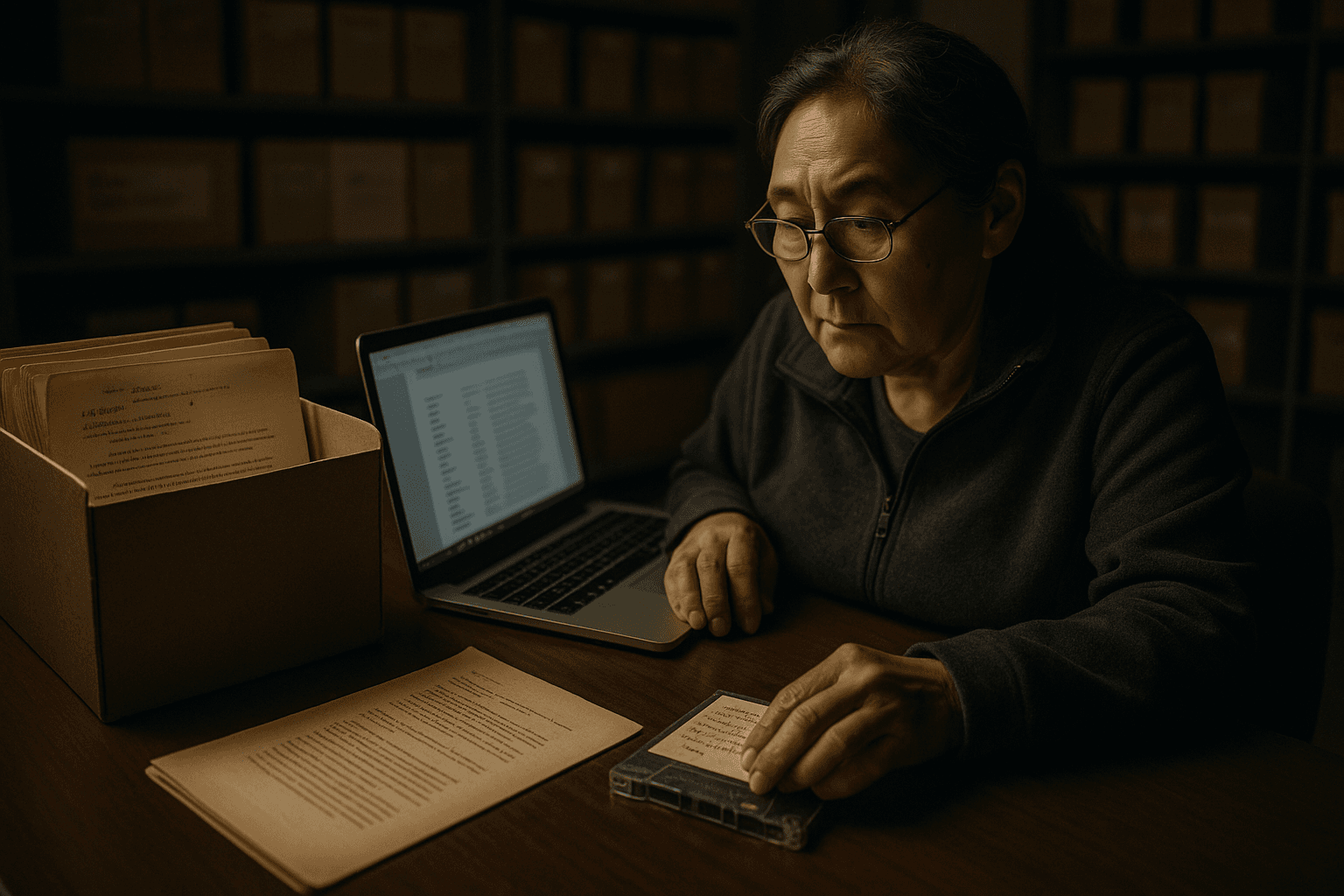
Locally the project carries importance beyond records management. Preserving Iñupiaq language materials and culturally significant instructional content supports intergenerational knowledge transfer, educational equity, and cultural continuity. Accessible archives can help teachers integrate local language and knowledge into classrooms, give students access to ancestral materials, and enable elders and community members to engage with resources in ways that respect cultural protocols. Those outcomes have implications for mental health and community resilience by strengthening identity and connection across generations.
The project also raises questions about long term stewardship, sovereignty over cultural materials, and equitable access for remote communities. Effective vendor selection will need to balance technical archival standards with community led governance and training so that digitized collections remain controlled and meaningful to the North Slope. The district is inviting partners who can meet those technical needs while centering cultural sensitivity and community ownership.