DOE Extends Bechtel Contract, WIPP Operations Continue for Three Years
The U.S. Department of Energy awarded Bechtel’s Salado Isolation Mining Contractors SIMCO team a three year contract extension on December 11, 2025, to continue managing the Waste Isolation Pilot Plant near Carlsbad. The extension reflects DOE confidence in SIMCO after the team met or exceeded waste shipment targets, completed infrastructure upgrades, and sustained long safety records, a development that affects Los Alamos waste routing and regional nuclear waste management continuity.
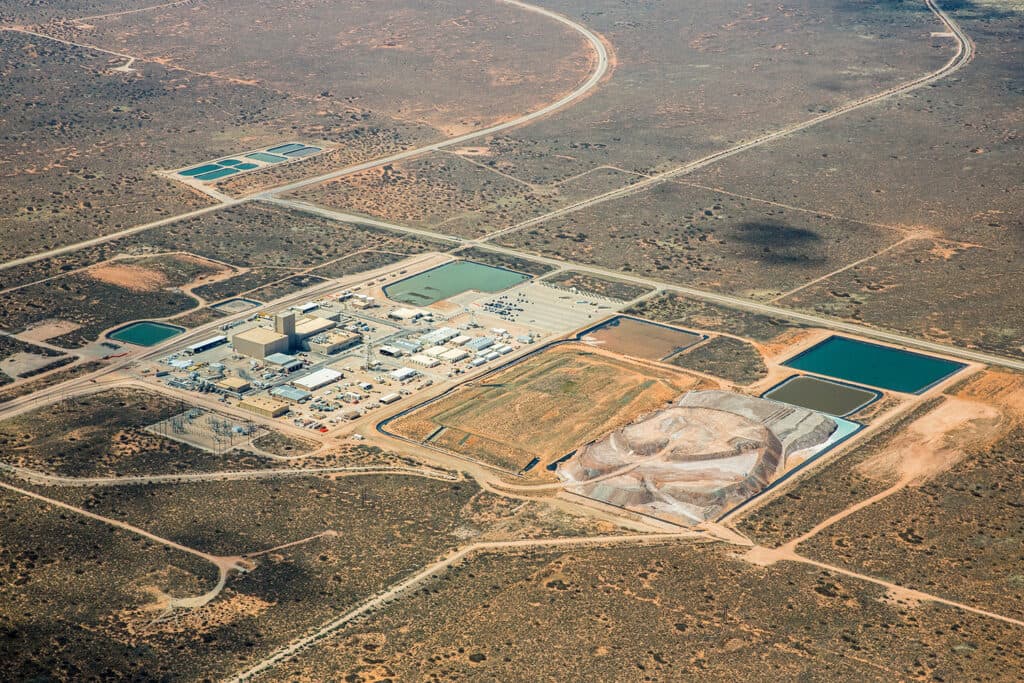
The U.S. Department of Energy granted a three year extension on December 11, 2025 to Bechtel’s Salado Isolation Mining Contractors SIMCO team to operate and manage the Waste Isolation Pilot Plant near Carlsbad. DOE framed the move as a vote of confidence in SIMCO’s recent program performance, citing that the team met or exceeded waste shipment targets, delivered infrastructure upgrades at the site, and maintained longstanding safety records that included millions of safe work hours.
WIPP serves as the nation’s repository for defense related transuranic waste and accepts shipments from multiple Department of Energy sites, including Los Alamos National Laboratory. For Northern New Mexico residents and Los Alamos stakeholders, the contract extension matters because it preserves continuity in the disposal pipeline that moves transuranic waste from LANL to WIPP. That continuity reduces the risk of operational pauses that could affect shipment schedules and onsite waste storage needs at sender facilities.
Bechtel’s SIMCO team highlighted programmatic milestones such as surpassing shipment goals and accumulating millions of safe work hours while completing infrastructure investments meant to modernize operations and support increased throughput. DOE officials expressed confidence in the SIMCO team and decided that extending the contract would sustain operational stability during the next phase of site work.
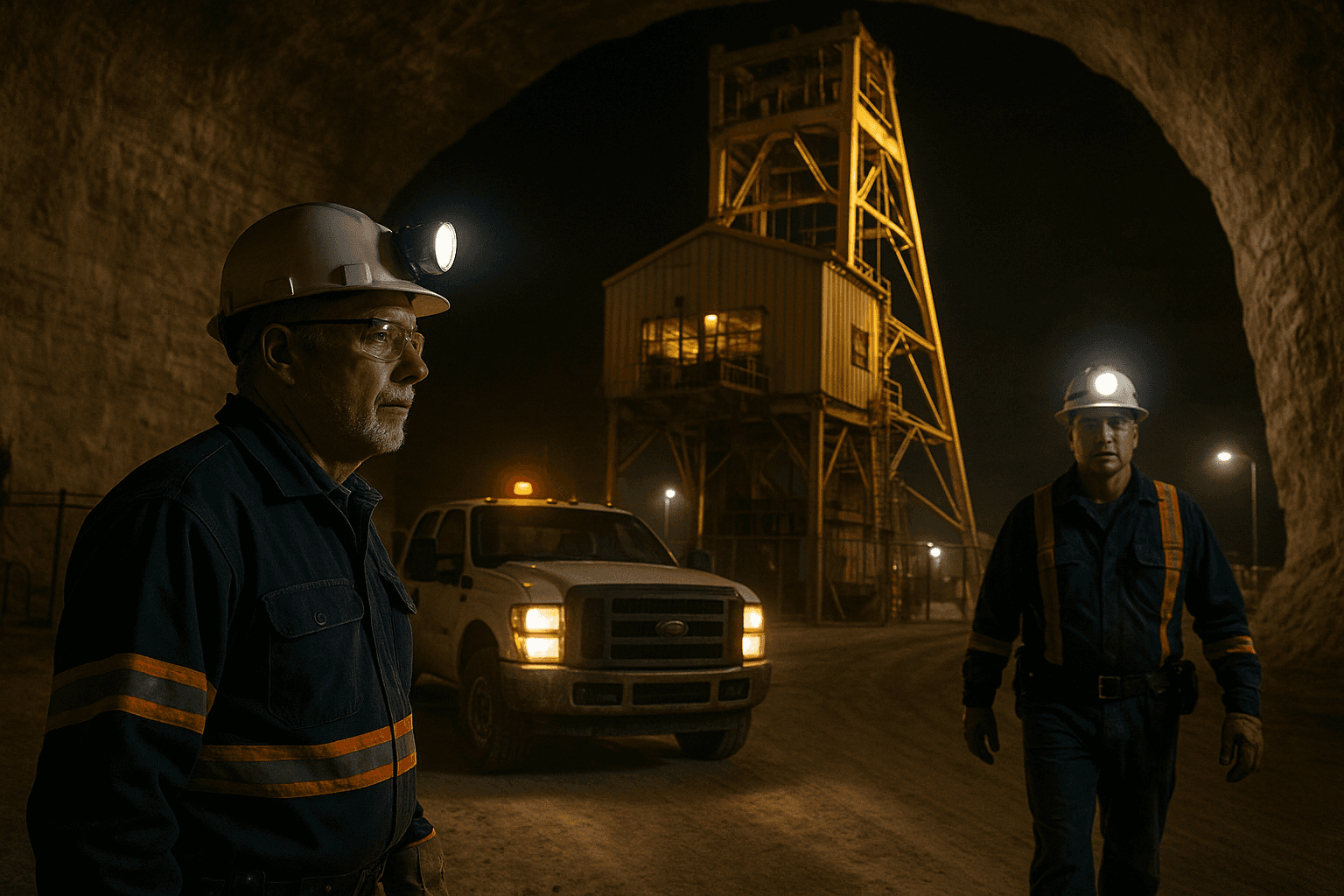
The extension has implications beyond immediate operations. From a policy standpoint, it signals DOE preference for continuity with incumbent contractors when performance metrics and safety records are favorable. For local residents, stable WIPP operations help ensure that transuranic waste generated at Los Alamos can continue to move through established channels, rather than remaining at production sites where long term storage raises different logistical and safety considerations.
Looking ahead, maintaining infrastructure improvements and safety performance will remain central to WIPP’s role in national nuclear waste strategy. The three year extension buys time for DOE and its contractor to sustain shipment targets while regulators and communities monitor the program for continued safe operation.
Sources:
Know something we missed? Have a correction or additional information?
Submit a Tip