DOL Clarifies Break Rules, McDonald's Teams Must Review Policies
The U.S. Department of Labor’s Wage and Hour Division explains which meal periods and rest breaks count as hours worked under the Fair Labor Standards Act, and what that means for franchisees and crew. For McDonald’s workers this affects payroll, scheduling, and how interrupted or recalled meal periods are handled, so stores should audit practices and reinforce manager training.
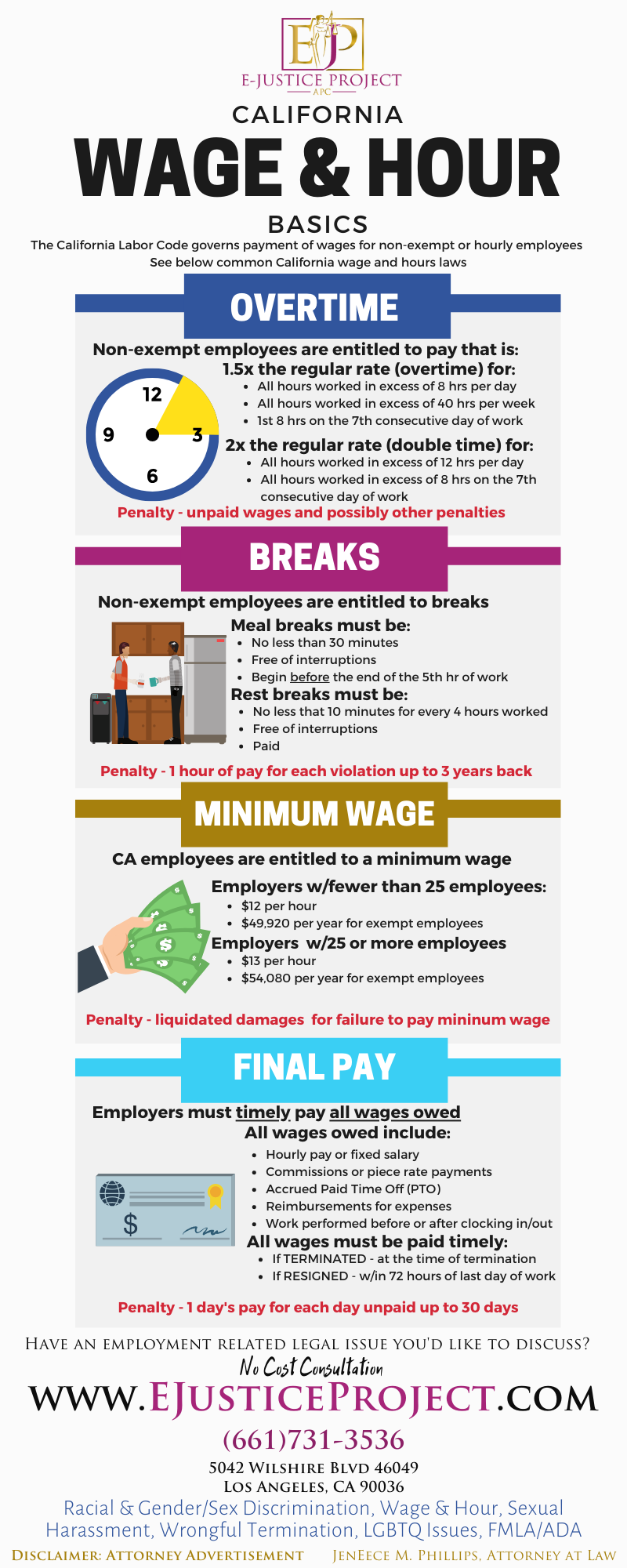
The U.S. Department of Labor’s Wage and Hour Division explains federal rules that apply to compensable hours, meal periods, and rest breaks under the Fair Labor Standards Act. The guidance lays out clear distinctions between bona fide meal periods, short breaks, and interrupted meal time, and highlights that state law may impose additional requirements.
Under the FLSA employers are not generally required to provide meal or rest breaks. However bona fide meal periods that are typically 30 minutes or more are not considered hours worked if an employee is completely relieved of all duties. By contrast short breaks that generally run five to twenty minutes are customarily compensable and must be counted as hours worked. If a meal period is interrupted by work obligations and the employee is not fully relieved, that time is compensable.
For McDonald’s franchisees and managers the guidance has practical implications. Employers should review local store policies to ensure alignment with federal rules and with any applicable state laws that set different or additional break obligations. Several states require paid short breaks or guaranteed unpaid meal periods, so local practice must reflect state law as well as federal standards.
The Wage and Hour Division also advises employers to document their meal break policies and to ensure managers do not discourage employees from taking breaks or recall employees during unpaid meal periods unless that time is paid. Stores that rely on automatic break deductions should audit those practices against actual behavior to make sure payroll reflects time worked.
For workers the DOL explanation affects pay and workplace dynamics. Proper application of the rules can reduce unpaid work, prevent disputes over missed or interrupted breaks, and clarify when employees should report incidents. For employers the recommendations aim to limit exposure to wage and hour claims and to improve scheduling and manager conduct.
McDonald’s workforce leaders should train managers on when breaks are compensable, update timekeeping and deduction practices where necessary, and communicate clear guidance to employees on how to report interrupted or missed meal periods. Those steps will help align day to day operations with federal and state requirements and reduce risk for both workers and stores.
Sources:
Know something we missed? Have a correction or additional information?
Submit a Tip