Dolores County Profile - Rural Roots, Agriculture, Heritage, and Health
Dolores County is one of Colorado’s least populous, widely dispersed counties, anchored by the town and county seat of Dove Creek. Understanding the county’s mix of agriculture, small business, outdoor recreation and extensive archaeological sites matters for residents and policymakers because those economic and cultural realities shape access to healthcare, emergency services and long-term community resilience.
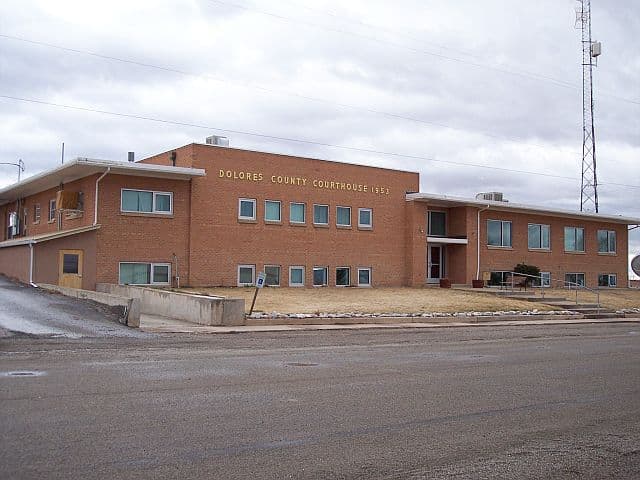
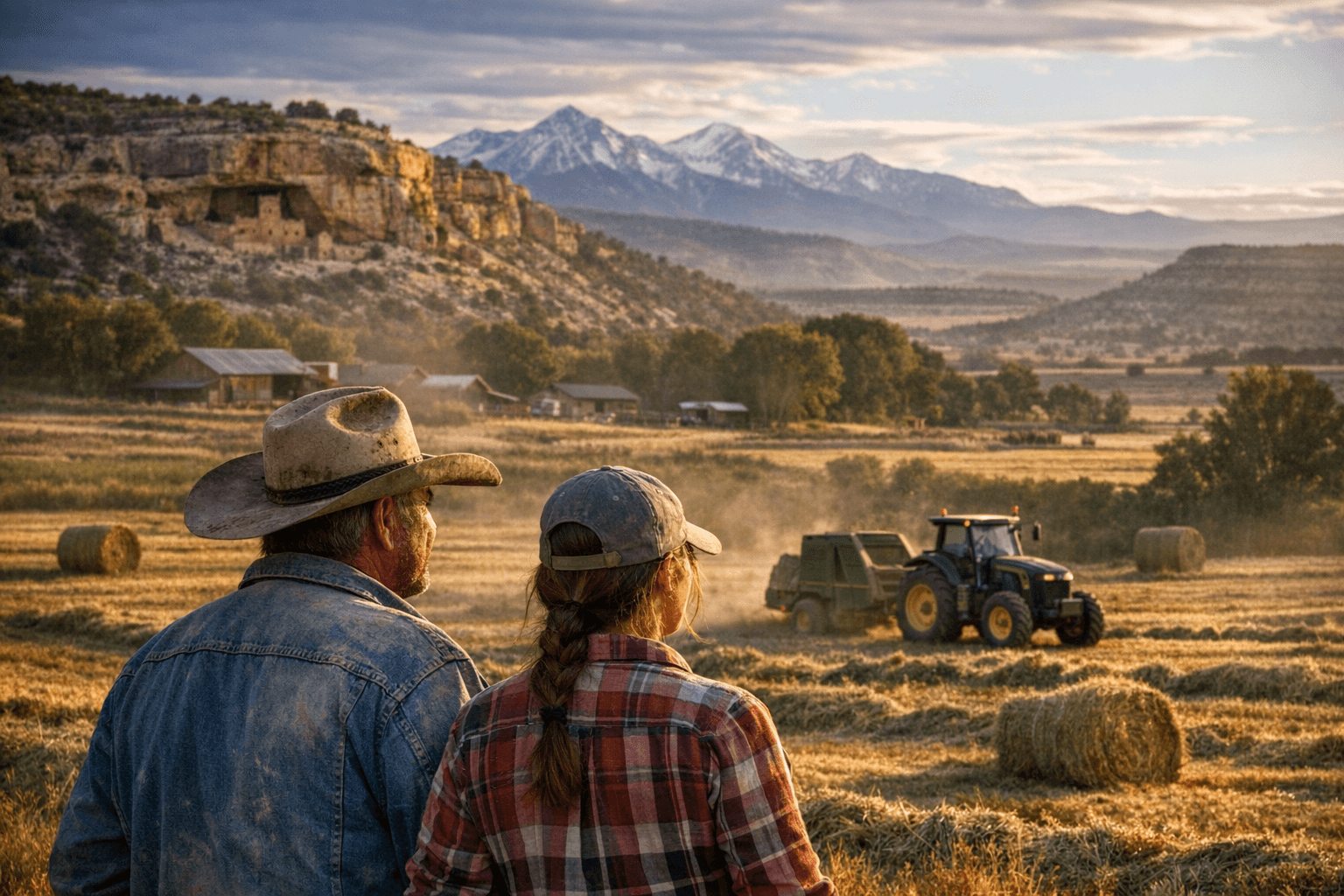
Dolores County occupies a stretch of southwest Colorado where a long human presence is visible in hundreds of recorded archaeological sites tied to Ancestral Puebloan settlements. Small towns and widely spaced ranches give the county a rural character; Dove Creek serves as the county seat and the hub of government services and commerce. The county courthouse, which replaced an earlier temporary structure and dates to the mid-20th century, sits next to the high school in Dove Creek’s business district and remains a focal point for local administration.
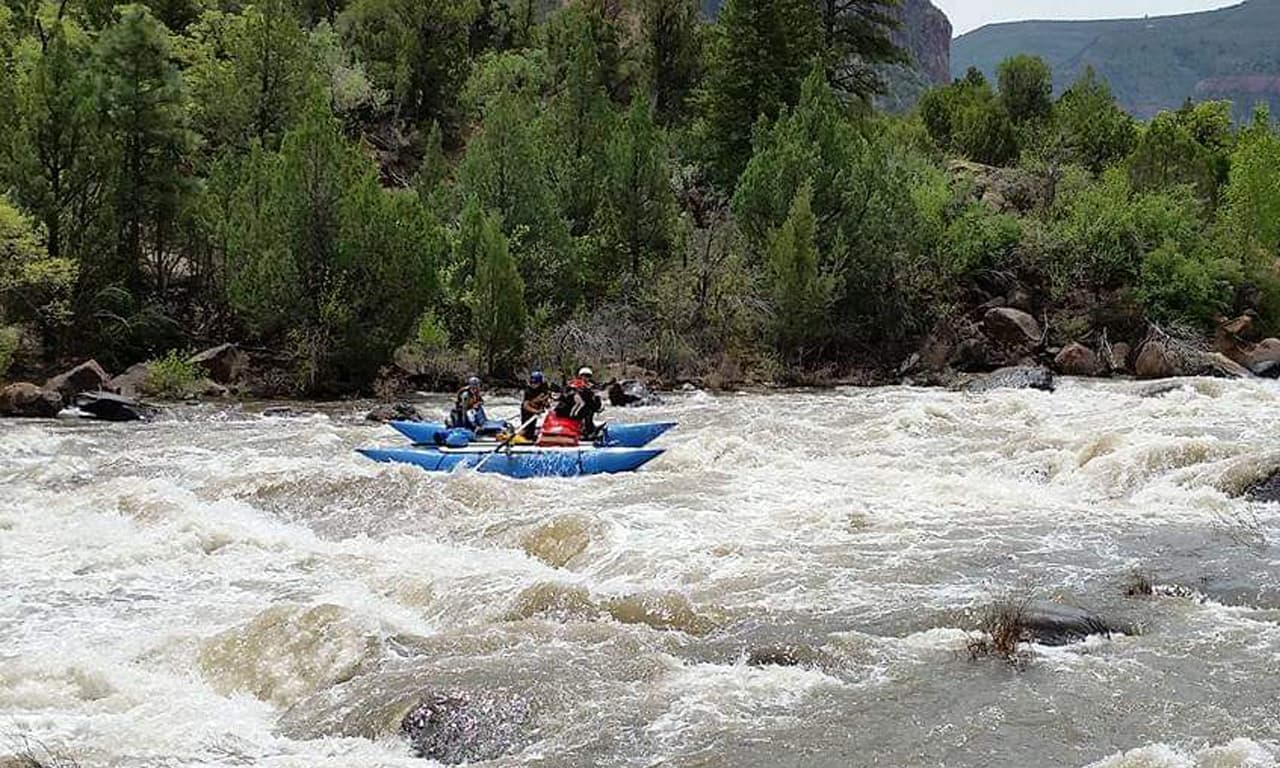
Economically, Dolores County has shifted across generations from mining in the higher country to a contemporary mix of agriculture, small industry and tourism. Beans and other crops are central to local agriculture and local processing, while a county industrial park hosts small tenants. Scenic drives, nearby recreation areas and outdoor opportunities draw visitors, supporting small businesses in Dove Creek and seasonal economic activity in smaller communities such as Rico, Cahone and the Stoner area.
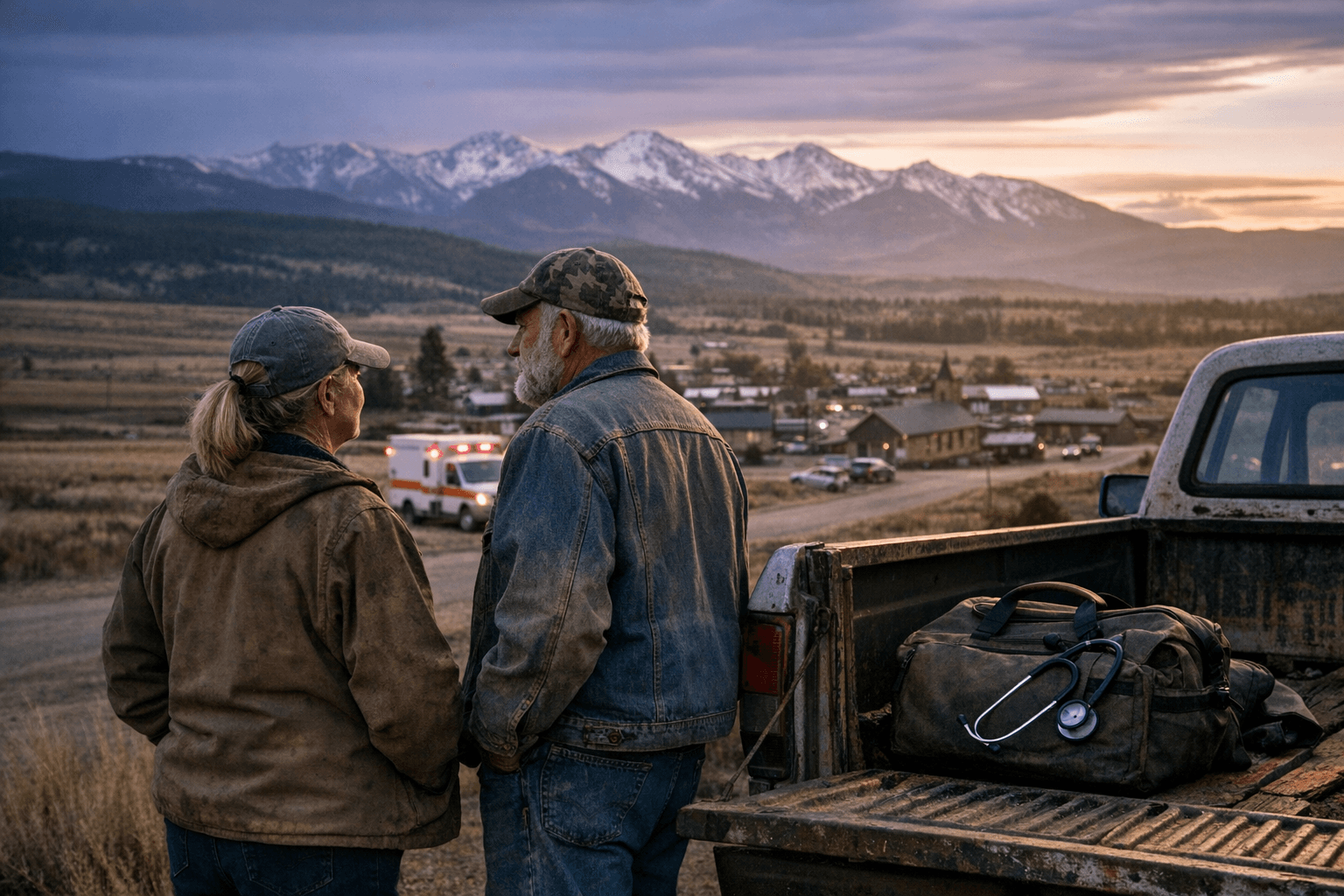
Those structural features have direct public health and social equity implications. A small, dispersed population can strain access to primary care, mental health services and emergency medical response. Rural residents often face longer travel times to clinics and hospitals, limited public transportation and fewer local specialists. Economic reliance on agriculture and seasonal tourism also influences occupational health risks and income stability for families that depend on harvest cycles and visitor seasons.
Preservation of the county’s archaeological and cultural resources adds another dimension to public policy. Protecting Ancestral Puebloan sites requires coordination between county officials, landowners and Indigenous communities, while balancing tourism and conservation. Ensuring that cultural stewardship benefits local residents rather than displacing them is a question of equity and sustainable economic development.
For local leaders and community organizations, priorities emerge clearly. Strengthening partnerships with regional health systems, expanding telehealth and mobile clinic options, and sustaining emergency medical services are practical steps to reduce geographic barriers to care. Economic development that supports value-added agriculture, year-round tourism and small business stability can improve household income and reduce health vulnerabilities tied to seasonal work. At the same time, inclusive planning for archaeological site preservation and recreation management can protect heritage while creating local opportunities.
As Dolores County navigates the next decades, the crossroads of rural health, economic diversification and cultural preservation will shape quality of life for residents. Policies that center access, equity and local decision making can help the county maintain its deep-rooted character while addressing practical needs in health and community resilience.
Sources:
Know something we missed? Have a correction or additional information?
Submit a Tip