Dolores County Winter Emergency Checklist, What Residents Need Now
Dolores County officials and emergency planners urge residents to prepare for winter weather and mountain access challenges, focusing on alerts, family plans, and essential supplies. The checklist explains practical steps for Dove Creek, Rico, Cahone, Stoner and other communities, and it matters because limited local services and seasonal road closures can quickly isolate households.
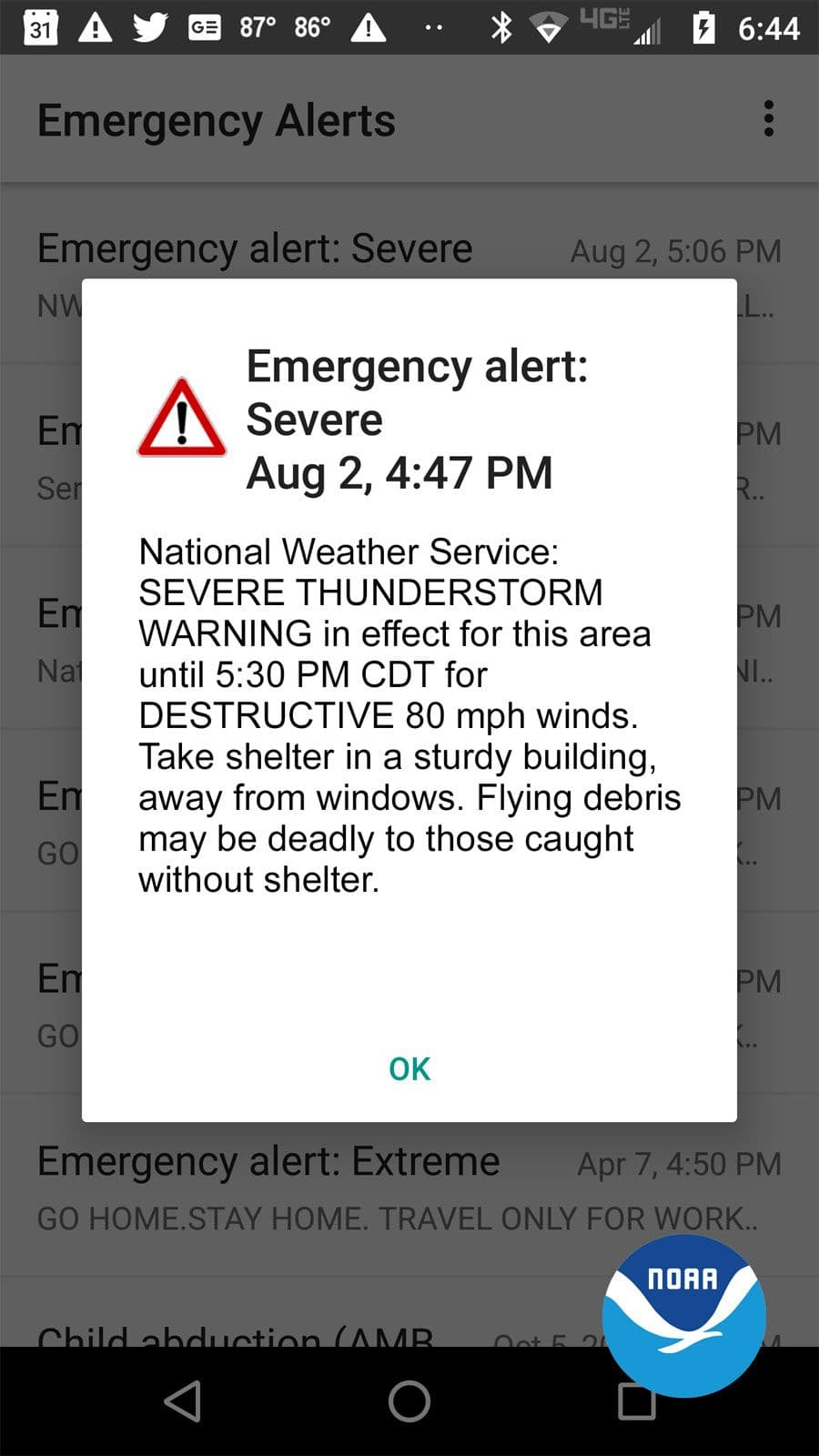
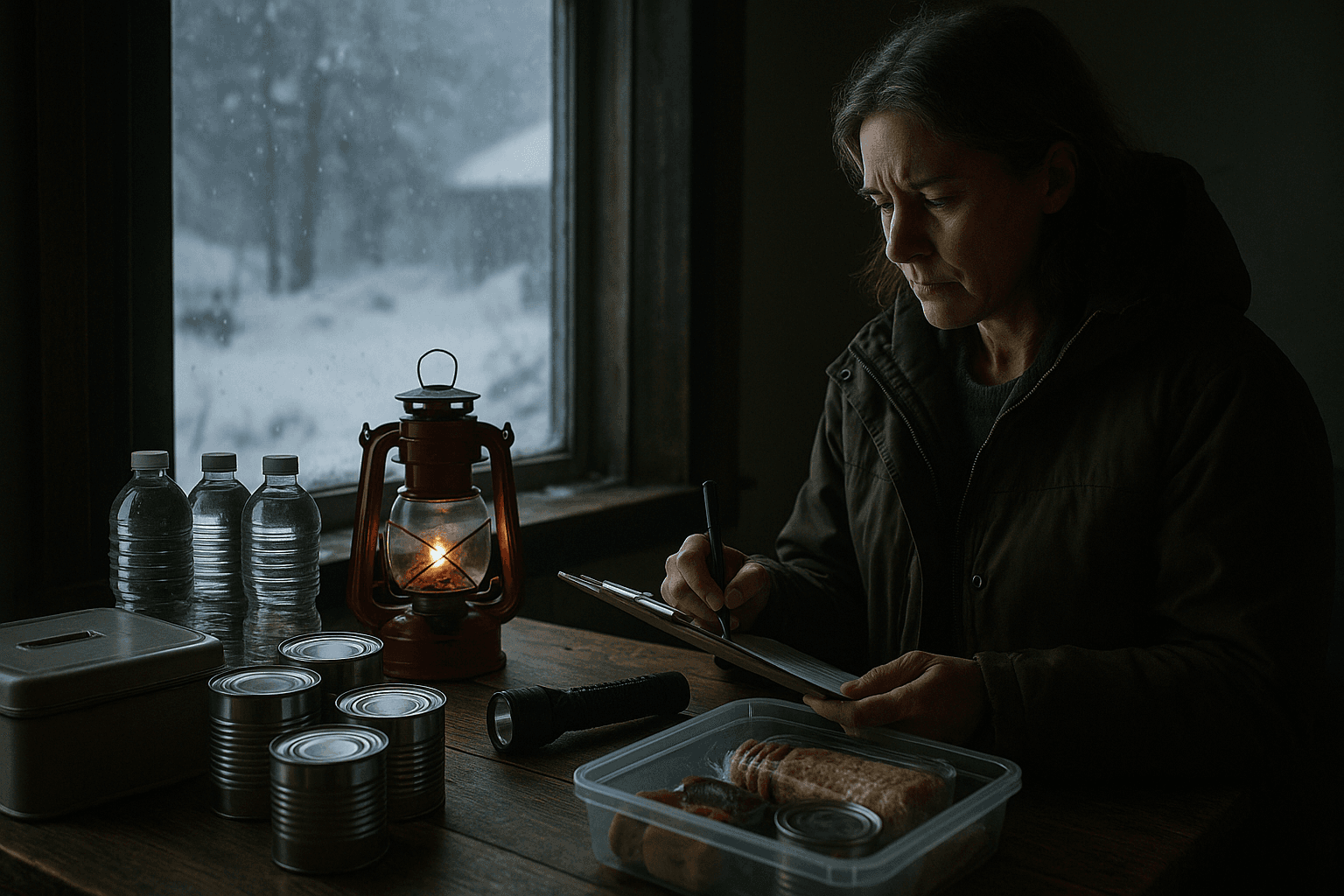
Residents of Dolores County should prioritize three immediate actions to reduce risk during winter storms and other emergencies. First, enroll in county or town emergency notification systems to receive evacuation notices and urgent public safety messages. Second, create or refresh a family emergency plan that identifies meeting points, an out of area contact, and how household members will communicate if cell service is limited. Third, assemble a 72 hour kit that includes water at one gallon per person per day, nonperishable food, a first aid kit, prescription medications, a flashlight, a battery powered radio with extra batteries, warm clothing, and copies of important documents.
Travel and vehicle preparation are critical for anyone heading to mountain passes. Keep a winter driving kit in the car with blankets, boots, a shovel, traction aids such as sand or kitty litter, a tow strap, jumper cables, and a full fuel tank before ascending. Check Colorado Department of Transportation and Dolores County road alerts before travel, since mountain passes and many forest roads close seasonally and closures can strand drivers.
Health and medical access in a small rural county can require longer trips to larger towns. Know the nearest health clinic and emergency hospital locations, and keep a multi day supply of daily medications when feasible. Confirm which local pharmacies remain open through holidays and storms so prescriptions are not interrupted.
At home, winterize plumbing by insulating pipes in unheated spaces and learn how to shut off the main water valve. Reduce wildfire risk by creating defensible space where allowed, following local burn restrictions, and registering for local fire district information.
Outdoor recreation requires extra planning. Check San Juan National Forest, Bureau of Land Management and town announcements for trail and road closures that protect winter wildlife and reduce hazardous travel. For high country travel, consult the Colorado Avalanche Information Center forecasts and carry—and know how to use—avalanche equipment such as a beacon, probe and shovel.
During extended outages or evacuations, local emergency shelters and warming centers may open. Contact county or town sites for current openings, and reach out to nonprofits, faith based groups or town halls for short term assistance with heating, food and utilities. For immediate threats call 911. For non emergency safety or code enforcement reports contact the Dolores County Sheriff’s Office or the appropriate town hall.
After an event preserve photographic evidence and receipts of damage for insurance and potential disaster assistance, and check for local recovery resources and reimbursement or grant programs that may be available following a county declared emergency. For the most current shelter locations, road closures and official advisories consult official Dolores County or town emergency pages and trusted local news outlets.
Know something we missed? Have a correction or additional information?
Submit a Tip