Downtown Fresno Moves Christmas Parade to Nighttime, Aims to Boost Business
Downtown Fresno Partnership moved the 96th Annual Downtown Fresno Christmas Parade to an evening start for the first time, with the event running along the Fulton Street corridor on December 13 at 6:30 p.m. The shift to a nighttime format was intended to spotlight light displays and drive increased foot traffic and retail activity in the downtown core, a change with direct implications for businesses, city services, and residents.

The long running Downtown Fresno Christmas Parade ran at night for the first time this year, as organizers shifted the 96th edition to a 6:30 p.m. start on December 13 along the Fulton Street corridor. The Downtown Fresno Partnership announced the change earlier in December and published route and start time details for attendees, listing the nighttime parade among other December community items.
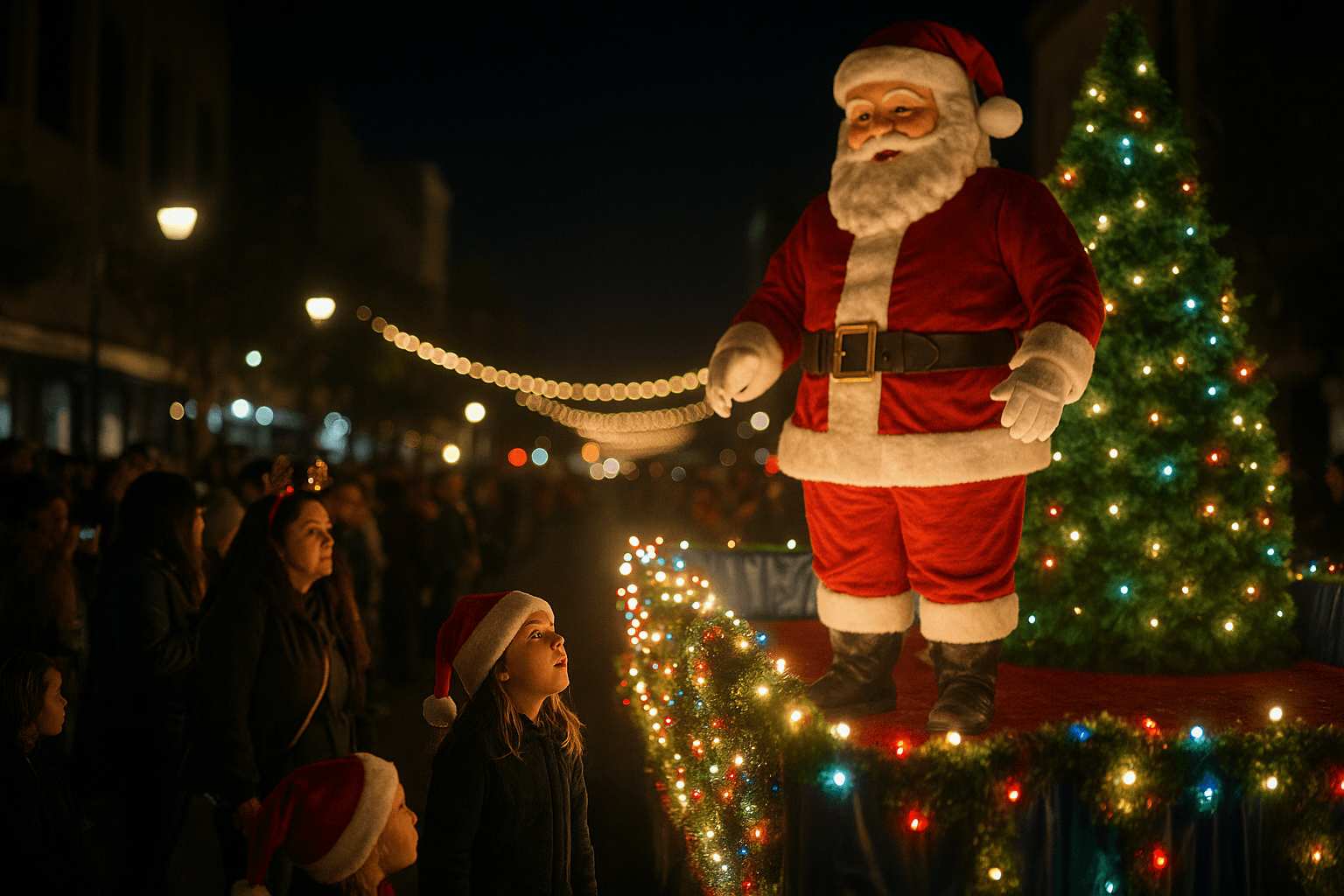
Organizers said the move to an evening schedule was designed to better showcase illuminated floats and displays while encouraging visitors to spend more time in downtown businesses. For a community that has invested in downtown revitalization, the parade represented both a cultural tradition and a test of strategies to increase retail activity during the holiday season.
The decision carries immediate operational implications. Evening events typically require additional coordination among city departments, including traffic control, public safety, street maintenance, and transit providers. Parking and crowd management can influence nearby businesses and residents, and the timing may alter how restaurants and shops staff for anticipated increases in evening customers. Organizers published the Fulton Street route so merchants, commuters, and residents could plan for street closures and pedestrian flows.
Beyond the logistics, the change raises policy questions about how the city and its partners measure the economic impact of public events. Tracking attendance, sales for downtown businesses, and pedestrian counts will be essential to evaluate whether the nighttime format achieves its stated goals. Clear reporting on those metrics would provide accountability for public safety costs and city resources allocated to support the event.
As the parade concluded its first nighttime run, stakeholders including business owners, neighborhood groups, and city officials face the task of assessing outcomes and deciding whether the change should become permanent. For residents, the shift offered a new way to participate in a longstanding tradition while prompting renewed attention to how public events are used to shape downtown activity and civic life.
Sources:
Know something we missed? Have a correction or additional information?
Submit a Tip