Downtown Gallup Museums and Trading Posts Anchor Cultural Tourism Economy
Downtown Gallup’s cultural corridor along Route 66 and Coal Avenue houses the Gallup Cultural Center in the restored Santa Fe Depot, the Rex Museum in the former Rex Hotel, and numerous trading posts and galleries showcasing Navajo, Zuni and other Pueblo artists. These institutions form the heart of McKinley County’s cultural tourism economy and serve as key reference points for visitors and for planning community events and services.
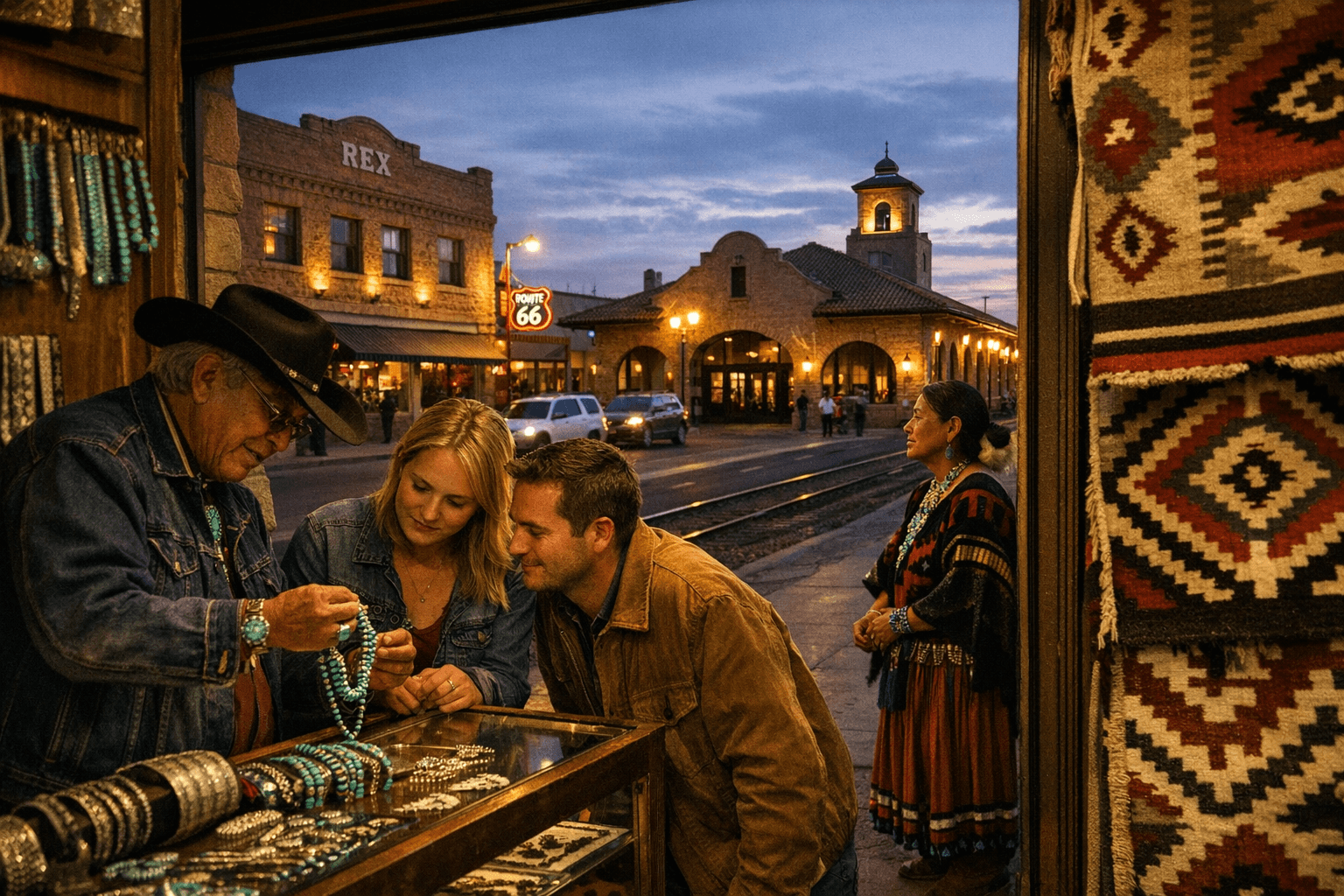
Downtown Gallup’s concentration of museums, galleries and trading posts is a defining asset for McKinley County, offering residents and visitors a compact window into regional history, Indigenous arts and living cultural traditions. The Gallup Cultural Center, housed in the restored Santa Fe Depot, presents the Ceremonial Gallery and exhibits on the Navajo Code Talkers. The Rex Museum, located in the former Rex Hotel, traces Gallup’s railroad, mining and trading-post past. Scattered among these anchors are numerous trading posts and galleries that showcase the work of Navajo, Zuni and other Pueblo artists.
These cultural resources are commonly highlighted in regional travel materials and function as practical waypoints for visitors, tour planners and event organizers. Their visibility along Route 66 and Coal Avenue concentrates foot traffic in downtown Gallup, supporting small businesses, restaurants and lodging that rely on cultural tourism. For community leaders, museum directors and public safety planners, the cluster also provides clear geographic markers around which to coordinate festivals, parades and emergency response.
Beyond economics, the downtown cultural corridor carries public health and social equity implications. Cultural participation, access to community spaces and steady income for artists are social determinants that influence mental health, social cohesion and economic stability. When local museums and trading posts are well-resourced and accessible, they can support community resilience by preserving cultural identity, creating jobs and sustaining small enterprises that keep residents engaged and connected.
At the same time, sustaining these assets requires attention to equity in programming, accessibility for elders and people with disabilities, and partnerships between cultural institutions and public health and social service providers. Coordinated planning can ensure that events maximize community benefit while protecting public safety and health, especially during large gatherings or peak tourist seasons. Transportation access, affordable vendor opportunities and predictable funding for maintenance and exhibits are practical policy areas that shape who benefits from the downtown cultural economy.
Visitors seeking more information about downtown attractions can consult local resources and tourism listings, including galluphojo.com. For McKinley County residents and officials, the challenge and the opportunity are clear: protect and invest in these cultural institutions so they continue to sustain local artists, bolster the economy and promote equitable community wellbeing.
Sources:
Know something we missed? Have a correction or additional information?
Submit a Tip