Downtown Raleigh North Hills Faces Potential 37 Story Redevelopment
Kane Realty submitted a rezoning request on December 3, 2025 that would allow multiple new mixed use towers in the North Hills area, with building heights proposed up to 37 stories and application materials indicating zoning allowances up to 40 stories in some parts. The Raleigh City Council has scheduled a first public hearing for January 6, 2026, a step that could reshape neighborhood density, traffic patterns, and the character of North Hills.
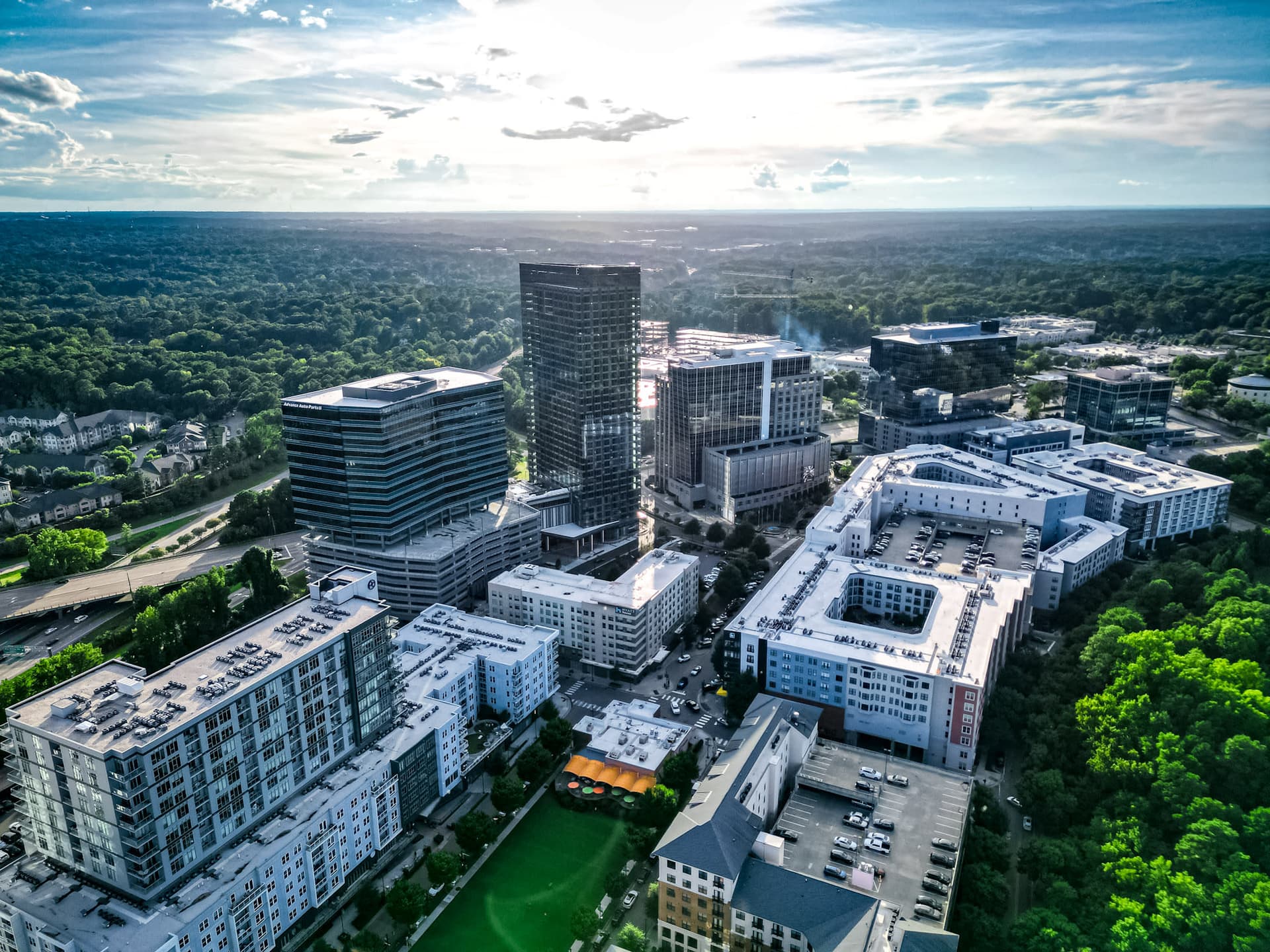
Kane Realty filed a rezoning application on December 3, 2025 seeking permission to replace several lower rise parcels in the North Hills district with a cluster of high rise mixed use buildings. The proposal calls for towers as tall as 37 stories, while the submitted materials show portions of the site could be zoned to permit heights up to 40 stories. The Raleigh City Council set the first public hearing on the request for January 6, 2026, opening formal public review and debate.
The rezoning would convert existing lower rise properties to denser development that combines residential, retail, and commercial uses in close proximity. Kane Realty has carried out outreach with area residents in advance of the filing, engaging neighbors about the scope of the project. The company framed the plan as an opportunity for added housing and economic activity in a central part of the county, while neighbors have raised concerns about scale and immediate impacts.
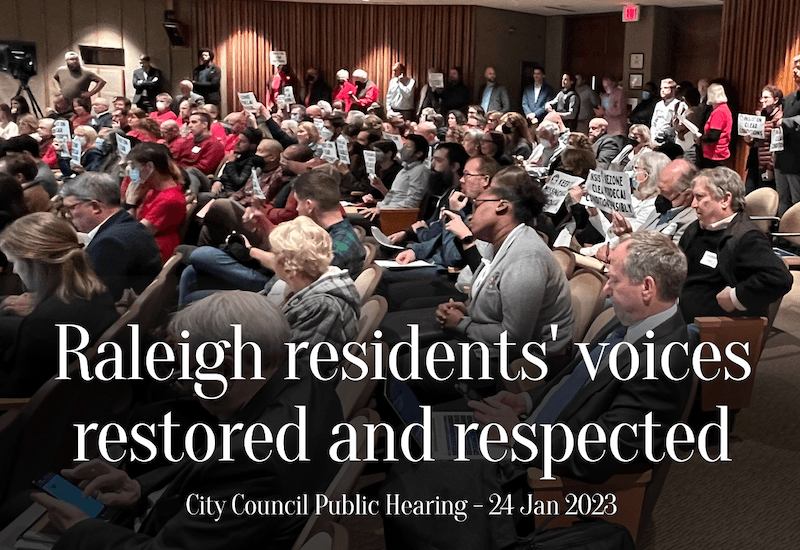
Community response has been mixed. Development advocates have voiced support for greater density and the potential for increased housing supply near transit and employment centers. Some North Hills residents have pushed back, calling for stronger transitional buffering between new towers and existing buildings, and for concrete traffic mitigation measures to address increased vehicle and pedestrian flows. Local concerns center on neighborhood character, parking, congestion, and how added density would affect daily life in adjacent streets and commercial corridors.
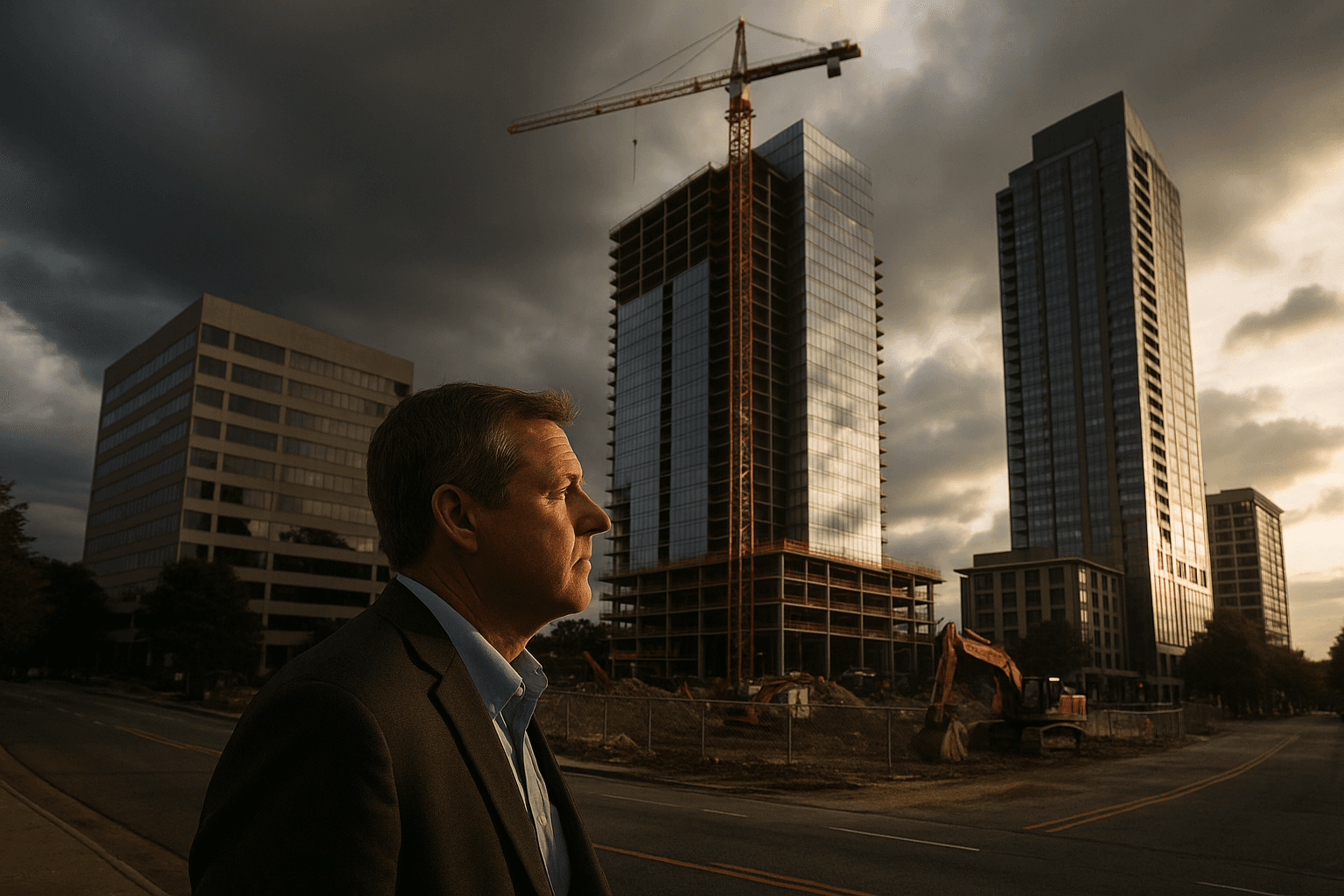
Procedurally, the council hearing in January will be followed by a planning review process that may include staff analysis, neighborhood meetings, and additional council consideration before any zoning change is approved or denied. If the council advances the proposal, developers and city planners will need to address the community requests for buffering and traffic solutions as part of site plan and permit reviews.
For Wake County residents, the debate highlights broader choices about growth management, infrastructure capacity, and the balance between development and neighborhood preservation. The upcoming public hearing will be a key moment for neighbors, business owners, and civic groups to register support or concerns as the project enters the formal approval process.