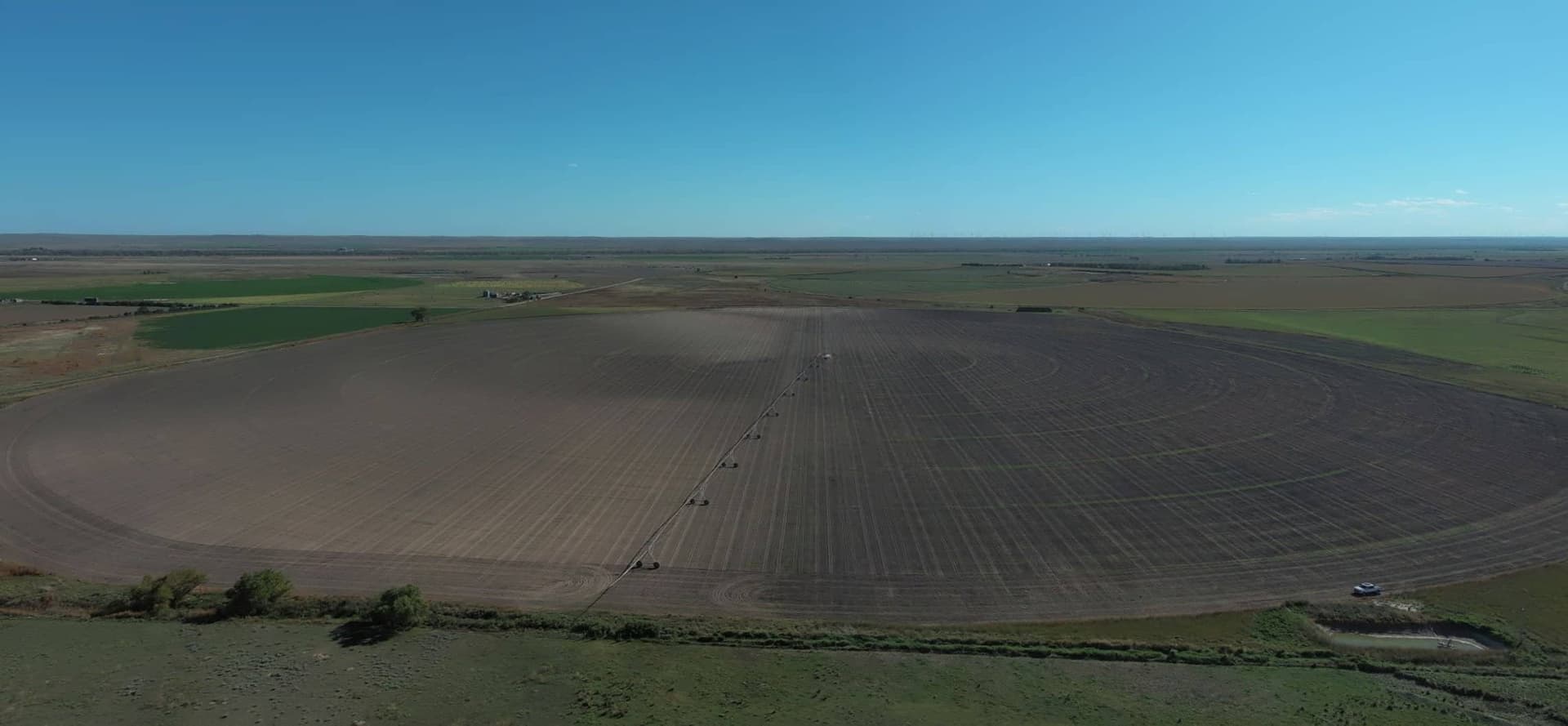
Draft Plan Would Open Pawnee Grassland Underground to Drilling
Federal agencies released a draft plan that would allow nearly all federally owned and unleased areas of the Pawnee National Grassland to be accessed for underground drilling so long as there is no surface disturbance. The proposal has prompted debate in Sterling and across northeastern Colorado about effects on ranching, wildlife, outdoor recreation and the local economy, and opponents have signaled potential legal challenges while energy proponents point to federal royalty estimates and economic gains.

Federal land managers have circulated a draft plan that would make nearly all federally owned and unleased acreage within the Pawnee National Grassland available for underground drilling if no surface infrastructure is created. The approach relies on horizontal drilling techniques that would access subsurface mineral rights from adjacent private or state lands, or from existing leases that permit surface occupancy, rather than placing new wells or roads on grassland surfaces.
The plan has quickly become a focal point in Sterling and throughout Logan County because the Pawnee Grassland is central to regional ranching, wildlife habitat and outdoor recreation. Local ranchers and conservation groups have raised concerns about the cumulative impacts of expanded subsurface development on grazing patterns, native species and the scenic values that support hunting, birdwatching and tourism. Opponents have signaled that they may pursue legal challenges to block or delay implementation.
Energy and industry advocates argue that the draft plan would capture economic benefits through increased activity on adjacent private and state leases, and by directing federal royalties into national coffers. Federal royalty estimates referenced by proponents have been used to justify potential gains for public revenues and for service and supply firms in nearby communities, but the draft does not include specific local revenue projections for Logan County.

Policy tradeoffs at the heart of the debate reflect a broader national trend. Technological advances in directional drilling and subterranean access have made it technically feasible to develop minerals without obvious surface footprints, raising questions about whether existing surface protections are sufficient to safeguard grazing lands, wildlife corridors and recreational use. For Sterling, the economic calculus will hinge on how much activity moves to adjacent private parcels, how many local jobs and contracts are created, and whether any legal or permitting hurdles slow development.
As the draft advances through public comment and regulatory review, the immediate implications for Logan County are uncertain. The proposal shifts the locus of disputes from surface leases to questions about subsurface rights, community impacts and long term stewardship of the Grassland. Local officials and stakeholders will be watching regulatory timelines and any legal filings closely, because outcomes could shape land use, outdoor economies and federal land management policy in northeastern Colorado for years to come.