Duke Energy conducted quarterly outdoor siren tests for nuclear plants
Duke Energy carried out scheduled quarterly outdoor siren tests for its nuclear plants on Jan. 7, 2026, after issuing an advisory the day before. The company said short siren activations were expected during set testing windows and no public action was necessary, a routine maintenance step with implications for local emergency readiness and long-term alert-system planning.

Duke Energy completed its quarterly outdoor siren tests for its nuclear power facilities on Jan. 7, following an advisory issued Jan. 6 that outlined approximate testing windows and procedures. The utility said individual siren activations during the tests lasted about five to 30 seconds, and some sirens were activated more than once. The company emphasized that hearing the sirens during the published windows was expected and that no public action was required.
The tests are part of a regular maintenance schedule conducted four times a year intended to confirm the functioning of outdoor warning systems. For Buncombe County residents, the short, intermittent activations are a signal of routine checks rather than an incident. Duke’s advisory also provided general guidance on nuclear emergency preparedness and the role of outdoor warning sirens as one component of a multi-layered public alert system.
From a public-safety and economic perspective, routine testing has several practical effects. Regular verification reduces the risk of unnoticed failures during an actual emergency, which can lower the probability of costly emergency-response breakdowns. Maintaining reliable warning systems supports local government continuity planning and can help mitigate liability or insurance disputes that might arise if an alert system failed during an incident. Fiscal planners and utility regulators increasingly weigh the cost of maintaining legacy siren networks against investments in modern alerting channels such as cellular emergency alerts, but quarterly testing underscores an ongoing commitment to redundancy.
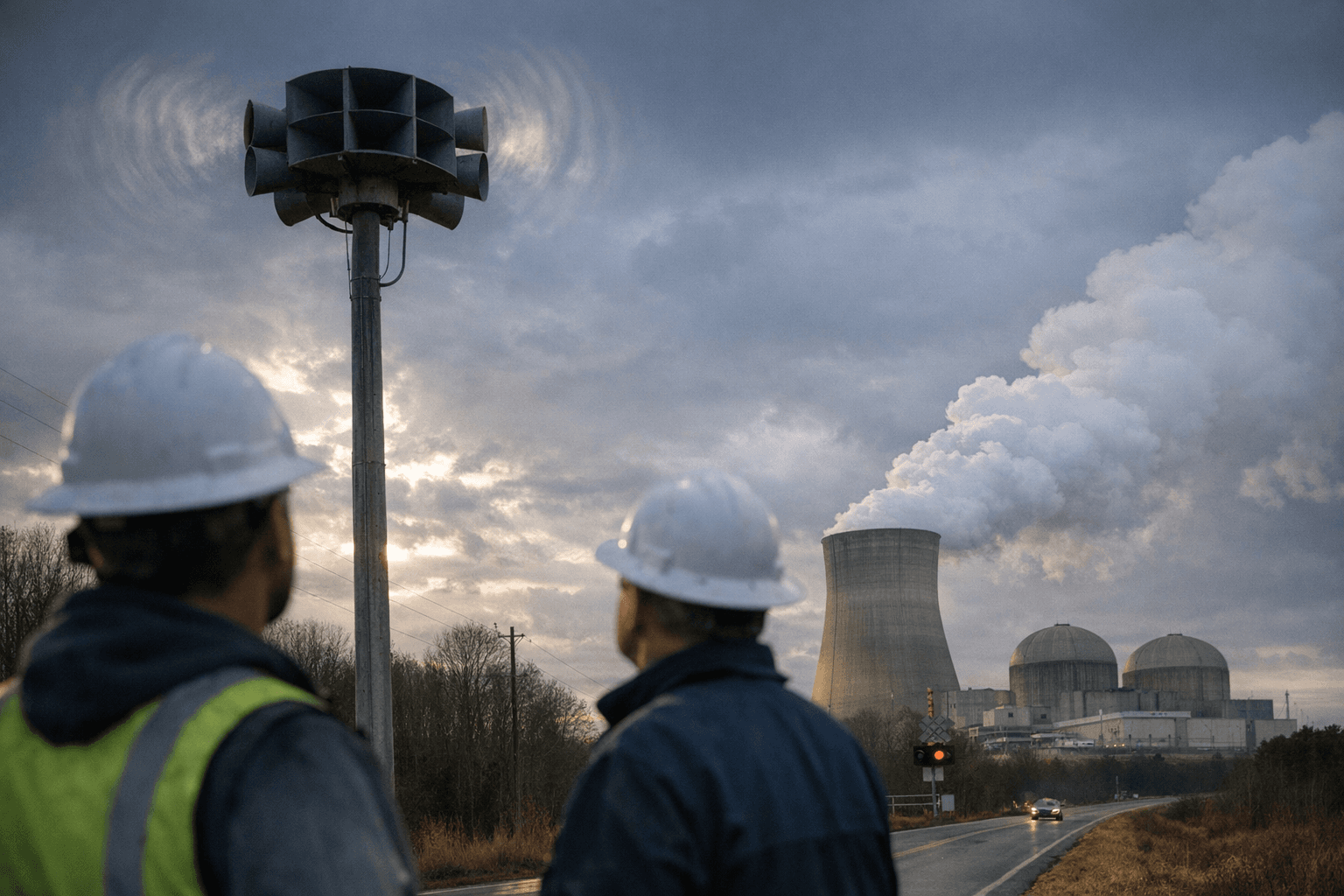
Policy trends point to a dual approach: preserve outdoor sirens where they remain effective while expanding digital alert capacity to reach residents who spend more time indoors or away from siren coverage. That hybrid strategy reflects broader national moves over the past decade toward multi-modal alerting to ensure coverage across demographic and geographic differences. For Buncombe County, that means ongoing coordination among county emergency managers, school systems, and utilities to align testing schedules and public information so residents know when soundings indicate a test rather than an emergency.
While the Jan. 7 test required no action by the public, the exercise serves as a reminder of emergency-readiness infrastructure that underpins local safety. Residents with concerns about audible alerts, or who seek more information on preparedness steps in a nuclear-related emergency, should consult county emergency management resources for the most current guidance and notification options.
Sources:
Know something we missed? Have a correction or additional information?
Submit a Tip